
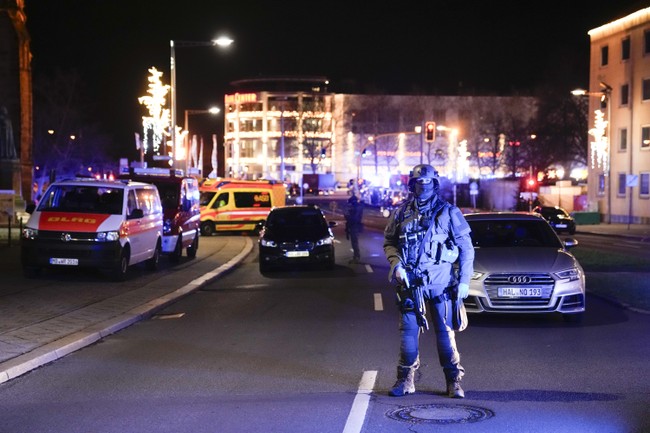
This piece examines how Islamist terror threats have changed Europe’s Christmas season, tracks rising security costs and fortified markets, critiques migration policies and political denial, and highlights contrasts between Western and eastern European responses while preserving quoted analysis from commentators.
I remember wandering the Heidelberg and Nuremberg Christmas markets during my time in Germany in the 1990s, when the biggest worry was where to find the best schnitzel and a cold local pilsener. Those markets were open, relaxed, and felt safe in a way that now seems almost nostalgic. Back then, the idea that someone might drive a car through a crowded festive square was unimaginable to many of us.
Fast forward to today and the mood has shifted sharply. Public celebrations now routinely require anti-terrorism measures that were unheard of three decades ago. Security fences, bollards, and visible policing are becoming part of the holiday landscape across much of Western Europe.
The financial side is striking as well: costs for public events have surged as organizers scramble to meet new security requirements. In Germany, bills for public safety at events reportedly rose by about 44 percent over three years, forcing some towns to scale back or cancel celebrations. When a market starts to resemble a fortified zone, something fundamental about the public square has changed.
After decades of reckless mass migration policies, the threat of Islamist terrorism means Christmas festivities in Europe aren’t quite as cheery as they used to be. In the Spectator, friend of the Daily Sceptic Clarissa Hard surveys the grim, deadly attacks in recent years and the official responses to them, concluding that “something has gone terribly wrong”. Here’s an extract:
Public celebrations of Christmas suddenly required anti-terrorism measures in Europe. Moreover, the threat was coming from within.
Left to fester, the danger has only grown. Over the past three years, the costs in Germany for public events have risen on average by about 44 per cent – a surge driven by sharply increased security requirements. Now many of the markets resemble fortified zones, and unaffordable security costs have led to some cancellations. France has also thrown money at security and cancelled its traditional New Year’s Eve celebrations due to a ‘very high’ threat of terror. Tellingly, the threat is significantly lower in the more eastern European countries such as Hungary and Poland.
That quoted analysis lands hard because it connects two things many politicians refuse to link: migration policy choices and public safety trends. Saying this bluntly, some Western European states adopted permissive or poorly managed migration approaches and now face political and social consequences. That has changed how citizens experience once-simple public rituals like Christmas markets.
Contrast matters. Eastern European countries such as Hungary and Poland report lower perceived threats at their public events and fewer preventive cancellations. Those differences in experience reflect different policy choices about borders and settlement, as well as differing political climates that shape how security is funded and implemented. The result is visible: some nations still have relatively unfortified festivities, while others resemble small fortresses during the holidays.
Language and framing also have power. Official notices sometimes use awkward phrases like “hostile vehicles,” which strips agency from the attacker and sanitizes the reality that violence is inflicted by people. Precise language matters when public officials are explaining threats and policy responses to citizens, because euphemism can hide uncomfortable causal lines.
Many governments make the problem worse by refusing to admit uncomfortable truths. When leaders avoid naming sources of violence or fail to adjust policies that have demonstrable links to security incidents, public trust erodes. Citizens see barricades and costs rise and demand policies that protect public life rather than hollow reassurances.
The human cost is the grim part of this story. Fortified markets and canceled celebrations are symptoms; people losing their lives or living with heightened fear are the real tragedy. The tensions this creates feed political resentment, polarize communities, and make it harder to craft stable, long-term solutions.
There are no easy fixes, but honesty about risks and clear, accountable policy choices are essential first steps. Communities and leaders can insist on effective border and law enforcement measures while also protecting civil liberties, but that requires political will and candid public conversation. The holiday season should be a time of openness and joy, not a reminder that basic public spaces now demand expensive protections.

Add comment