
The week’s top stories ran from dramatic scenes in the Middle East to political shakeups at home, covering viral cultural responses to conflict, questions about allied reliability, state-level political gaffes, a surprising primary upset in Texas, and fresh approval numbers that are reshaping narratives inside the GOP. This briefing pulls those threads together in a quick, punchy run-through so you can catch up fast without wading through every original report.
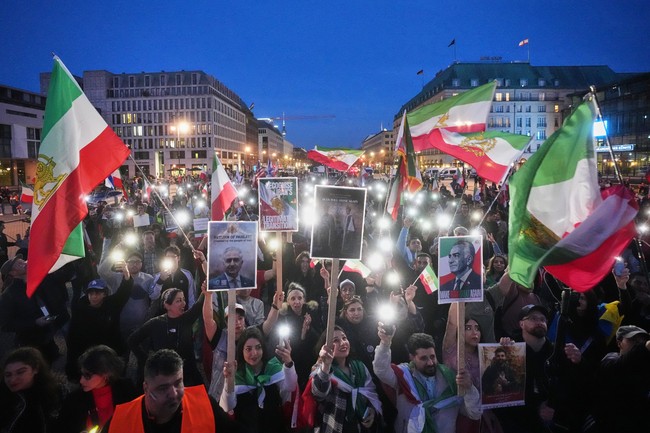
The first standout was a wave of memes and online humor reacting to events in Iran, a phenomenon that mixed relief, schadenfreude, and long memories of past aggression. The piece noted how satire and creative expression have become an outlet for millions who recall the 1979 hostage crisis and subsequent repression. It emphasized how people reacted viscerally, many with the sentiment, “good riddance,” as a way to process complex geopolitical developments.
Humor can be a great way to get across a point, almost better than almost anything else. What these creative folks are showing is that for millions of people, this is a day we’ve been wanting to see for a long time. Those evil creatures that took over Iran in 1979 and then held 52 Americans hostage for 444 days. Meanwhile, they’ve been repressing their own people, killing protesters by the thousands, and terrifying the civilized world with their quest for nuclear weapons.
I think many people probably had the same first reaction that I did: good riddance.
Another story accused a close U.S. ally of failing to act decisively during a recent operation, framing that failure as a betrayal of expectations between once-close partners. The reporting criticized the United Kingdom for prioritizing legal debates over immediate defensive measures and suggested the result was days of needless delay while threats continued. It also lamented the apparent decline in naval readiness and anti-ballistic capabilities that limited British response options.
I’m going to be frank. The United States can not have a “closest ally” that can’t even be counted on to provide defensive support from ballistic missiles because they are too busy arguing over the finer points of something as irrelevant as “international law.” At no point did the Trump administration ask Starmer to participate in the offensive attacks on Iran. All that was requested was help in suppressing the Islamic regime’s attacks on civilians. That the UK didn’t immediately oblige and instead spent days playing politics, even as the missiles fell, is a damning indictment of a once special relationship.
Never mind that the Brits have allowed their once world-leading navy to waste away into a mostly dry-docked, ineffectual fleet. To the extent that they could even launch defensive assets, such as destroyers with anti-ballistic missile systems, that ability remains severely restricted.
Back on the home front, California’s governor drew ridicule when he tried to troll the president on fuel prices, only to be blindsided by reality and industry reaction. The criticism focused on the disconnect between political posturing and the state’s long-standing problems with high fuel costs and departing refineries. Commentators argued that bringing up gas prices in California is risky political theater given the structural issues at play and potential policy moves like a mileage tax.
Leftist California Governor Gavin Newsom, who’s long been rumored to be plotting a run for the presidency, has seen his stock plummet in 2026 after a series of gaffes, so he (or his juvenile communications team) evidently thought he could take advantage of the overseas battle by trolling the president.
It went extremely badly for the team, and the “pajama boy” who came up with the post was savaged, as you’ll see.
The one thing an advisor should immediately tell Mr. Newsom is that he should never, ever bring up gas prices, because his state routinely has the highest in the nation — by a wide margin — refineries are ditching California as fast as they can, and even more residents could potentially head elsewhere if a proposed mileage tax gets imposed.
In Texas politics, a four-term incumbent faced an unexpected defeat in a GOP primary, a loss framed as part of a broader purge of establishment figures seen as out of step with the party’s current direction. The coverage highlighted the role of endorsements, or the lack of them, in shaping outcomes and noted how perceived deviations from core factional positions can be costly. The narrative painted this as a marker of the ongoing intra-party realignment.
The upset—described as “stunning” in some media corners–underscores an ongoing purge of establishment figures perceived as insufficiently loyal to President Trump. Crenshaw is a four-term incumbent.
President Trump declined to endorse Crenshaw before the race, making him the only House Republican in Texas not to receive an endorsement.
“He told me he would — it’s up to him, he doesn’t owe me anything,” Crenshaw told CNN.
But the congressman, a former Navy SEAL, struggled to garner support amongst the America First crowd, frequently voicing Ukraine First sympathies, condemning the mostly peaceful protest on January 6th, and chastizing those questioning the integrity of the 2020 presidential election.
Finally, new approval numbers for the president drew attention for comparisons with past second-term presidents, suggesting the incumbent holds a favorable position relative to peers at the same point in their terms. The analysis pointed out the added context of intense media scrutiny and relentless opposition that makes the numbers notable to supporters. The piece argued that these figures are a reality check for political rivals and a talking point for backers.
Now, don’t get me wrong. None of the numbers for Bush, Obama, or Trump on March 5th of the second year of their second term are anything worth crowing about. Even a pitcher’s duel in the Big Leagues or a defensive battle in the NBA can be a little ugly to watch at times, but the fact remains, even in the world of politics … scoreboard, chumps.
According to RealClearPolitics averages, Trump now holds a higher job approval rating (43.3 percent) at this stage of his second term than both Obama (42.5 percent) and Bush (38.7 percent) did at the same point in theirs.
What is worth crowing about here? What Trump has overcome that the other two haven’t. When you consider the unprecedented media hostility the President has faced since Day One — compared to the fawning coverage Obama received for eight straight years and the far milder scrutiny Bush endured — the numbers become downright astounding.
The Weekly Briefing format pulls together disparate developments into a single feed that highlights how international events, allied relationships, state politics, primary dynamics, and polling shifts all interact. The stories show a mix of cultural reaction, strategic questions about partnerships, domestic political theater, and intraparty shifts that are reverberating through conservative discourse. Readers get a snapshot of the headlines that matter and the threads likely to shape the next news cycle.

Add comment