
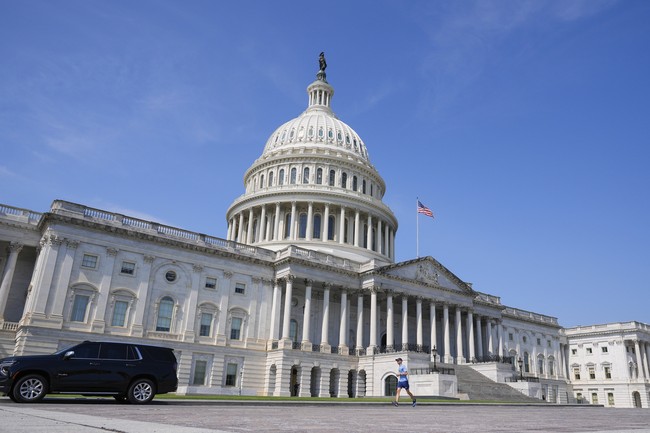
Republicans in Congress are plotting a second sweeping reconciliation package to force a conservative agenda through despite Democratic obstruction, aiming to combine spending priorities with tougher immigration enforcement and election changes while keeping fiscal restraint front and center.
Washington is once again at a boil over a government shutdown, and Republican lawmakers are preparing what some are calling “One Big Beautiful Bill 2 – This Time, it’s Personal.” The goal is to move big funding and policy priorities through reconciliation so they can be passed without Democratic cooperation in the Senate. Voters heading into the midterms want results, and Republican leaders are treating this moment like a chance to deliver tangible policy wins.
In a hyper-partisan Congress that’s facing midterm elections, Republicans in both chambers have united on a plan to pass a second budget reconciliation bill before the balance of power potentially changes.
Their previous reconciliation bill, the “One Big Beautiful Bill,” focused primarily on President Donald Trump’s tax policies, including permanently extending the increased standard deductions from 2017. It also restrained the growth of Medicaid spending over the next ten years and tightened work requirements for both Medicaid and SNAP.
Now, after two Democrat-instigated government shutdowns – the second of which is ongoing – Republicans are considering including a massive funding boost to immigration enforcement agencies, money for the U.S.-Israeli conflict against Iran and possibly some election changes.
Republicans will likely have to at least partially offset any new spending, however, to appease fiscal hawks, many of whom are still bitter over the $3.3 trillion price tag of the OBBB.
We should be blunt: cutting wasteful spending matters, but so does boldness. The Republican playbook here is simple — use reconciliation to pass conservative priorities and force the issue on matters Democrats refuse to negotiate in good faith. If that means embracing tougher immigration enforcement funding, more defense assistance where necessary, and rules to protect election integrity, then so be it.
One obvious limit is the Senate’s Byrd Rule, which stops reconciliation from carrying unrelated, non-budgetary items. That means some provisions, like the SAVE America Act’s voter ID measures, are tough to shoehorn into budget language. Still, Republicans can pursue a two-track strategy: win what reconciliation allows and keep pressing the standalone, constitutionally grounded reforms in the House while forcing the Senate to take a clear stand.
Moving fast matters because time favors the other side. Midterms are around the corner and the political cost of appearing paralyzed is real. The public notices when Congress grinds to a halt and when Democrats trigger shutdowns to score partisan points. Republicans are framing this as a contrast in priorities: deliver results and defend borders, or let gridlock and weak leadership continue to dominate.
There’s also a fiscal argument that conservatives need to make louder and clearer. Any new spending included in a reconciliation package should be offset to avoid ballooning deficits, and lawmakers who care about limited government should demand significant cuts elsewhere. This is not the time for symbolic tinkering; it’s a chance to tackle entitlement growth, waste, and regulatory excess with serious reforms that reduce long-term liabilities.
The political theater around using reconciliation and the filibuster will be intense. Democrats have signaled they would change Senate rules when they think it benefits them, so Republicans should not shy from using every available procedural tool. That said, preserving Senate traditions where possible helps maintain the image of principle over opportunism, so strategy will require careful calibration.
Practically, success will require disciplined messaging: emphasize security, accountability, and fiscal responsibility. Voters respond to clear, concrete promises that affect daily life — secure borders, safer communities, and elections people can trust. Campaigns that tie those themes to the mechanics of reconciliation will help frame the debate and put pressure on wavering senators.
Congressional Republicans should also be prepared for the inevitable pushback that follows bold action. Expect accusations of heavy-handedness and threats of further shutdowns by the other side. The right response is to remain steady, keep the public informed about the stakes, and show how these moves protect national interests and taxpayers.
Finally, leadership needs to keep the rank-and-file united. Passing a second One Big Beautiful Bill requires a coalition that balances fiscal restraint with targeted investments and reforms. If Republicans can hold together, advance key priorities through reconciliation, and keep other reforms visible and in play, they can turn Democratic obstruction into a political liability rather than a roadblock.


Add comment