
Morning Minute: a quick update on today’s headlines, the day ahead at the White House and the courts, a thought on civic conversation, and one senator who could use a little Socratic questioning.
Morning Minute: Introducing Schiff to Socrates
Tuesday, March 31, 2026. This morning brings a mix of hard news and lighter moments, with attention on the Supreme Court calendar, the president’s schedule, and a debate over immigration enforcement at airports. I’ll touch on trending items, note key events and court actions, and close with a short musing about the value of asking better questions in public life.
Across conservative outlets, stories about local politics, foreign affairs, and judicial surprises are getting traction. Pieces about municipal controversies and dramatic images from the Middle East have readers talking, while a surprising ruling from Judge Boasberg raised eyebrows last week. That mix of culture, policy, and courtroom drama sets the tone for today.
On Capitol Hill, business is light because members are on recess, so there are no hearings or committee meetings scheduled for Tuesday. The absence of hearings doesn’t mean nothing is happening; it simply shifts attention back to executive branch activity and the courts. For readers watching Washington, it’s a day for briefings and watching discrete developments unfold.
The White House schedule shows the president handling a mix of executive time and policy meetings before attending an evening event at the Trump Kennedy Center with the First Lady. Specific times noted include an 8:00 AM block of Executive Time, afternoon policy meetings at 3:00 PM and 4:00 PM in the Oval Office, and a 7:30 PM appearance at the Chicago Opening Night at the Trump Kennedy Center. These items frame the daily rhythm of presidential duties and a public engagement in the evening.
Energy policy still features in daily briefings, with Sec. Energy Chris Wright emphasizing natural gas as a cornerstone of American energy independence. That message ties into ongoing debates about energy reliability, affordability, and how to balance domestic output with environmental concerns. Expect energy to remain a steady talking point in coming weeks.
The Supreme Court has one argued case on Tuesday listed on the calendar: Pitchford v. Cain, which raises a complex question under 28 U.S.C. § 2254(d) about whether a state supreme court unreasonably found a petitioner waived the right to rebut race-neutral reasons for peremptory strikes. That case touches on procedural rules and race-neutrality in jury selection and will be watched closely by those who follow criminal procedure and appellate standards. The Court is also expected to release additional opinions on Tuesday morning, which could shift legal conversations suddenly.
Looking ahead, the High Court takes up the birthright citizenship case later in the week, a major constitutional matter that will attract national attention. Meanwhile, the White House has announced the annual Easter Egg Roll will occur next Monday, April 6, marking a traditional, lighter-side event on the presidential calendar. Those two items underscore how court decisions and ceremonial events can coexist in a single news cycle.
One practical note on recent judicial news: there was a somewhat surprising ruling from Judge Boasberg last week that drew commentary from many quarters. It’s an example of how legal outcomes can defy partisan expectations and why paying attention to the reasoning behind rulings matters more than headlines. Readers should keep an eye on legal analyses to understand the implications.
I want to return to a civics point that matters beyond headlines: the Socratic method. Defined simply, it’s “a technique of teaching or arguing by asking probing questions rather than giving direct answers, guiding someone to discover the truth themselves.” That method works in classrooms and in public debate because it forces clarity and exposes gaps in reasoning.
In public life, when people take time to ask pointed, logical questions, it often leads to better conversations than shouting talking points at one another. I learned a lot when others used that approach with me, and it played a role in changing my own views. If we want better civic dialogue, more probing questions and fewer monologues would be a good start.
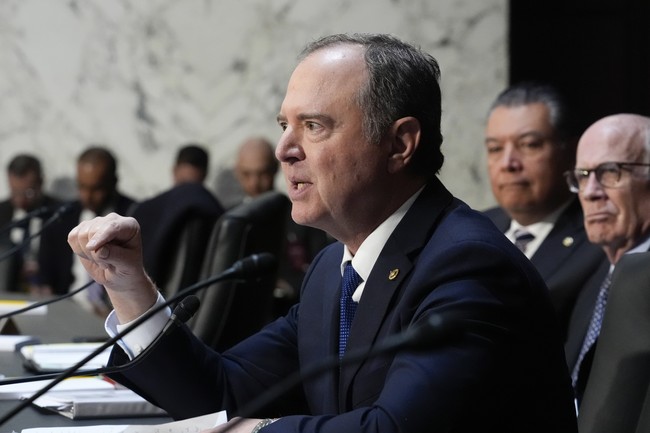
On that note, I thought of Sen. Adam Schiff and a recent public comment about immigration enforcement at airports, which sparked my desire to introduce him to a Socratic line of questioning. I would ask simple, direct questions that require specific answers: Why shouldn’t ICE agents be at our airports? Where should they be allowed to operate? Should they exist at all? If not, why not?
- Why shouldn’t ICE agents be at our airports?
- Where should they be allowed to operate?
- Should they exist at all?
- If not, why not?
- If you held the majority and could ensure passage, what legislation would you propose to govern immigration and customs enforcement — how does that differ from what’s on the books now?
Even a clear, concise answer to the first question would be illuminating, and polite but persistent questioning can reveal a lot about practical policy solutions or a lack thereof. That approach is not about scoring points; it’s about demanding coherence and workable proposals from public officials who advocate significant changes to enforcement roles.
To close the lighter side, there’s a fun tidbit tucked into today’s content that offers a brief smile amid heavier news. Impossibly .


Add comment