
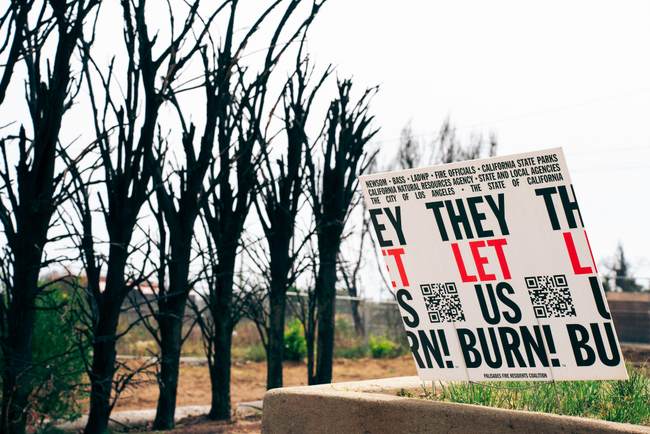
The ousted Los Angeles Fire Department chief, Kristin Crowley, has filed a defamation suit accusing Mayor Karen Bass of lying about what she knew regarding dangerous conditions before the Pacific Palisades blaze, and the case raises sharp questions about accountability, leadership, and public safety in a city repeatedly hit by major fires and slow political responses.
The warehouse inferno in Boyle Heights has been burning for days, sending toxic smoke over neighborhoods and prompting scrutiny of civic leadership. Los Angeles needs leaders who are present and decisive when emergencies strike, yet this lawsuit suggests political calculations may have taken precedence over public safety. The legal fight centers on whether Mayor Bass knowingly misrepresented facts to shift blame and avoid responsibility for budget and staffing decisions that critics say weakened the fire department.
Crowley, who led the LAFD from March 2022 until February 2025, says she repeatedly warned city officials about staffing shortages and resource gaps. According to the suit, she submitted detailed reports and budget requests that went unheeded, leaving crews and equipment strained when disaster struck. The complaint portrays a professional who raised alarms and was then cast as the scapegoat for consequences she says were predictable and preventable.
The lawsuit accuses Mayor Bass of prioritizing her reelection over the truth, asserting that Bass “sought to avoid accountability by shifting blame and lying — including by falsely claiming that she was not aware of the nationally anticipated weather event,” the suit says. Those words in the filing are stark and direct, and they form the legal backbone of Crowley’s claim that the mayor defamed her publicly. If the court accepts the premise that Bass knowingly spread falsehoods, the political fallout could be severe.
https://x.com/spencerpratt/status/2068828121860587995
Crowley alleges that during a May 6 debate Bass blamed her for the disaster and claimed Crowley had sent home 1,000 firefighters who would have been near the fire. The suit maintains that claim was false and accuses Bass of exploiting misinformation for political gain. The complaint further asserts, “Through her actions, Bass has chosen her personal interest over transparency and the truth, over the interests and safety of the people of Los Angeles, and over the interests and safety of the thousands of firefighters who risk their lives daily to protect the people of Los Angeles, including Crowley, a career firefighter serving the LAFD for over 26 years,” the suit said.
Beyond the defamation claim, this dispute revives a larger debate about how municipal leaders allocate resources and whether political priorities override operational needs. Crowley previously filed a labor claim alleging her abrupt dismissal violated statutes, and this new personal suit seeks damages from the mayor herself. For taxpayers and firefighters, the question is not only who is right in court, but who will ensure adequate staffing, safe equipment, and clear lines of accountability going forward.
The timing of the controversy adds heat to public perception: elected leaders were reportedly out of town as fires raged, and voters understandably want answers. Crowley’s suit points to past incidents where warnings went unacted upon, and it frames her termination as politically motivated rather than performance-based. That narrative plays well to skeptics who already see city bureaucracy and activist priorities as weakening essential services.
Critics also note the environmental and public health fallout from the warehouse blaze itself, including spoiled food, potential toxins, and increased rodent activity near homeless encampments. Local residents and first responders face immediate risks, and the longer recovery drags on, the more pressing the need for competent leadership becomes. The lawsuit forces a public discussion about priorities: emergency readiness versus political theater, and practical safety versus symbolic gestures.
From a Republican perspective, the case highlights familiar themes: the dangers of administrative negligence, the costs of underfunded public safety services, and the accountability gap when elected officials deflect blame. Crowley’s suit attempts to hold an individual mayor personally liable for statements she alleges were knowingly false, and the legal process will test whether politics trumped the truth. Meanwhile, firefighters and citizens deserve clarity about what went wrong and concrete steps to prevent a repeat.
At its core, this is about trust—between city leaders and the communities they serve, and between managers on the ground and elected officials in charge. If Crowley can prove that false public accusations were used to conceal policy failures, the suit could reshape how accountability is enforced in city government. Regardless of the courtroom outcome, the episode has already sharpened public scrutiny of Los Angeles’ preparedness and leadership choices in moments of crisis.
Practical concerns remain urgent: the fire’s environmental toll, derelict infrastructure, and the human toll on neighborhoods near the blaze must be addressed now. Lawsuits and political battles will follow, but immediate steps to shore up firefighting capacity, inspect hazardous sites, and communicate honestly with residents are unavoidable necessities. The debate over blame should not distract from the work of protecting people and rebuilding trust in civic institutions.

SMART W0RK I was kind of worried about the entire thing. I’ve never worked from home, But Yeah, (D11) I did just join and all is good. so I will post back how it
goes!_____ JUST CLICK ON MY USERNAME