
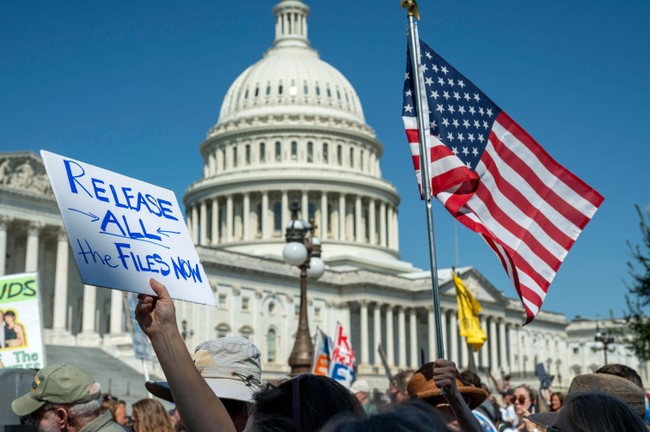
The Department of Justice has won a legal step toward making grand jury materials from the Jeffrey Epstein and Ghislaine Maxwell prosecutions public, as a Florida federal judge accepted the DOJ’s bid to unseal transcripts and related records under new federal law signed by President Trump. This move follows the Epstein Files Transparency Act of 2025, which directs the attorney general to release all unclassified Justice Department records tied to the cases. The decision clears the way for Sunshine State materials to be made available within a statutory timeframe, while similar petitions remain active elsewhere.
News of the unsealing order comes after Congress approved and President Donald Trump signed legislation aimed squarely at disclosure of previously sealed records in the Epstein-Maxwell matter. The change to federal law altered the legal landscape that had previously kept grand jury materials under wraps, prompting the DOJ to ask courts in Florida and New York to allow the release. The Florida judge sided with the department, finding the new statute supersedes the secrecy rules that once blocked access.
Federal judges in Florida and New York previously refused to release the material, saying it would violate grand jury rules, but passage of the transparency law has now changed that calculus in Florida.
As part of the earlier requests, judges said the contents that would be unsealed likely contained no new evidence.
The order from the Florida court sets a timetable: the new statute requires the DOJ to make unclassified documents public within 30 days of the ruling. That deadline applies specifically to records connected to the prosecutions that the law covers, and the Justice Department will control how and when it publishes the material. Officials have the discretion to redact where legally necessary, but the law narrows the scope for continued secrecy.
Public debate around Epstein and Maxwell has been intense, and the move toward disclosure seeks to address long-standing calls for transparency from multiple corners. The legislative action followed months of public pressure and scrutiny over what federal authorities had kept sealed, and it reflects a congressional judgment that greater openness is warranted in these high-profile matters. The Florida ruling demonstrates how a legislative change can shift judicial outcomes.
A federal judge in Florida granted the Justice Department’s request on Friday to unseal grand jury transcripts related to Jeffrey Epstein and Ghislaine Maxwell, citing a new federal transparency law.
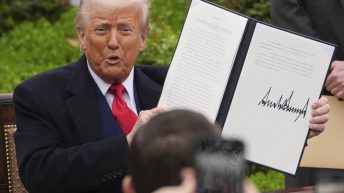
Judge Rodney Smith found that the Epstein Files Transparency Act of 2025 overrode the secrecy requirements of federal grand jury rules. The law, signed by President Donald Trump on Nov. 19, requires the attorney general to make public all unclassified DOJ records connected to Epstein and Maxwell.
While the Florida decision advances disclosure in that jurisdiction, separate motions in New York courts remain unresolved. Those courts earlier rejected unsealing requests, and the interplay between the new federal statute and existing local rulings could lead to further litigation. Expect more filings as parties seek clarity on how broadly the law applies and whether any materials remain legitimately protected by privilege or privacy considerations.
Observers should note the practical realities of unsealing: releasing large volumes of grand jury transcripts requires review, redaction, and logistical planning before publication. The Justice Department will likely coordinate staged releases to ensure legally sensitive information is handled properly. Still, the statutory 30-day window creates urgency around the review process in Florida and sets expectations for timely transparency.
The political context is unavoidable; the enactment of the Epstein Files Transparency Act and the ensuing court order have become points of partisan conversation. From a conservative perspective, the law represents a corrective measure ensuring accountability and openness in matters of national concern. Critics will push back on specifics like redactions or scope, which can influence public perception even after materials appear.
For now, the Florida ruling marks a concrete step toward sunlight on these cases, and it will give journalists, researchers, and the public access to documents long shielded behind grand jury secrecy. Additional judicial decisions in other jurisdictions will determine how complete that picture becomes. This remains an active legal and political story, with more developments likely as the DOJ complies with the statute and other courts weigh similar requests.


Start now generating extra home based cash by doing very easy and simple job from home. Last month i have earned $19753 from this job in my part time. This job is just awesome and its earning are greater than 9 to 5 office job. .
Here is I started_______ EarnApp1.Com