
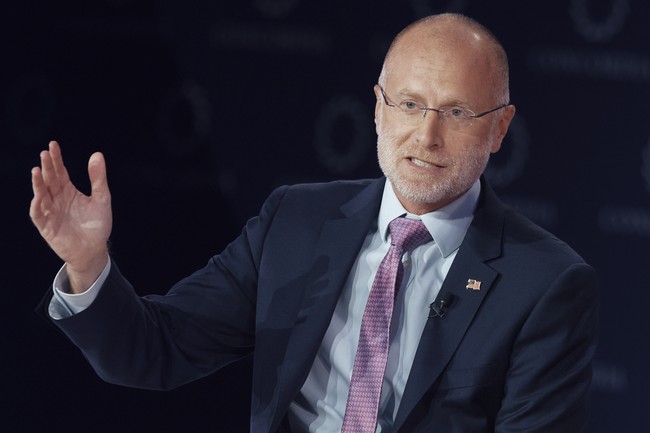
Checklist: summarize the CPAC 2026 exchange between FCC Chairman Brendan Carr and Julie Strauss Levin, explain the FCC’s approach to legacy media and equal time rules, highlight concerns about offshored call centers and broadband progress, discuss the Pledge America initiative and the shift in regulatory tone under Republican leadership.
At CPAC 2026, FCC Chairman Brendan Carr gave a direct, no-nonsense account of what he sees as the agency’s real job: enforcing communications rules while pushing back against media bias that too often goes unchecked. He framed his work as enforcing the law, not picking political winners, and tied much of his momentum to the Trump-era mandate to hold legacy institutions accountable. That plainspoken stance landed well with the audience, who are tired of one-sided coverage and want regulators to treat broadcasters as stewards of the public interest.
Carr pointed out that broadcasters operate under government license and therefore carry obligations the public can enforce through FCC rules. He said local stations are being empowered to resist one-size-fits-all network programming and to serve their communities with content that reflects local priorities. That means more latitude for stations to tailor coverage and programming rather than parroting national narratives that often favor one political tribe.
The chairman did not spare legacy outlets when describing bias. He listed examples of skewed coverage and noted a widening trust gap between mainstream media and everyday Americans. Julie Strauss Levin pressed hard on disparities in coverage, contrasting overwhelmingly favorable treatment for some Democrat officials versus the much tougher scrutiny for conservative figures, which underscored why many viewers are wandering away from established networks.
Carr walked through the Equal Time provisions that govern broadcast fairness and explained how the bona fide news exception has been stretched in recent years. He said the exception was meant to preserve genuine journalism, but it has sometimes been abused in ways that shield networks from accountability. The FCC is currently investigating alleged violations of those rules, signaling a willingness to use its tools to restore basic fairness in political coverage.
The chairman drew a line between partisan enforcement and evenhanded regulation, arguing that when Democrats controlled the agency they at times weaponized it for political ends. Carr made his position clear: the FCC under his watch aims to apply rules consistently and predictably, not as a cudgel against ideological opponents. That approach matters because regulatory discretion can be the difference between neutral oversight and selective punishment of dissenting voices.
Levin also raised the question of call centers being outsourced overseas, a practice with both security and service implications. Carr agreed that offshoring support lines creates language and fraud vulnerabilities and can feed illegal robo-call operations. He signaled that the FCC is exploring rules to encourage or require U.S.-based call center operations so that consumers get better service and scammers get fewer openings to exploit.
On broadband, Carr touted measurable improvements in high-speed access and competition among providers since the earlier federal efforts to expand service. He contrasted the lack of results under the prior administration’s rollout with more tangible gains achieved through recent policy shifts and private-sector competition. Faster speeds and more options are concrete benefits for consumers, and the chairman positioned the FCC as a facilitator of better market outcomes rather than a roadblock.
Carr also described Pledge America, the FCC’s contribution to the nation’s 250th anniversary through programming that celebrates American history and civic traditions. The idea is to use broadcast platforms to uplift national pride and encourage programming that reflects shared values during a milestone year. That effort fits with the broader theme he kept returning to: broadcasters serving the public interest rather than partisan agendas.
The tone throughout the conversation was straightforward and unapologetic, reflecting a Republican view that regulators should check bias, protect consumers, and keep government out of the business of picking preferred viewpoints. Carr emphasized enforcement of existing law over creative regulatory overreach, while signaling investigations where rules may have been bent or broken. For conservatives concerned about media capture and uneven enforcement, his remarks read like a promise to restore balance and rule of law.
You can watch CPAC 2026 proceedings live via the event’s official stream.

Everybody can earn 250$h+ 1k$ daily… You can earn from $6000-$13600 a month or even more if you work as a full time job…It’s easy, just follow instructions on this page, read it carefully from start to finish….. It’s a flexible job but a good earning opportunity. Go to this site home tab for more detail thank you .
Join This Right Now ____________ PayAtHome1.Com