
This article recounts the case of Charles Foehner, a 67-year-old retired doorman who fatally shot an alleged mugger in New York City in 2023, was cleared of charges related to the shooting, but was later imprisoned after an investigation uncovered an unregistered cache of firearms and accessories in his apartment.
Charles Foehner, recently transported to a detention center in the Bronx, is serving a four-year sentence after pleading guilty to a weapons possession charge arising from a self-defense episode in May 2023. Surveillance from that night shows a younger man approaching Foehner and demanding a cigarette and a phone, and the encounter quickly escalated.
The man who approached Foehner lunged with what Foehner believed to be a knife; it later turned out to be a pen, though it was sharp enough to be perceived as a dangerous object. Foehner fired a single shot that proved fatal, then called 911 and cooperated with police while asserting he acted out of fear for his life. Prosecutors declined to bring homicide charges after accepting his self-defense claim.
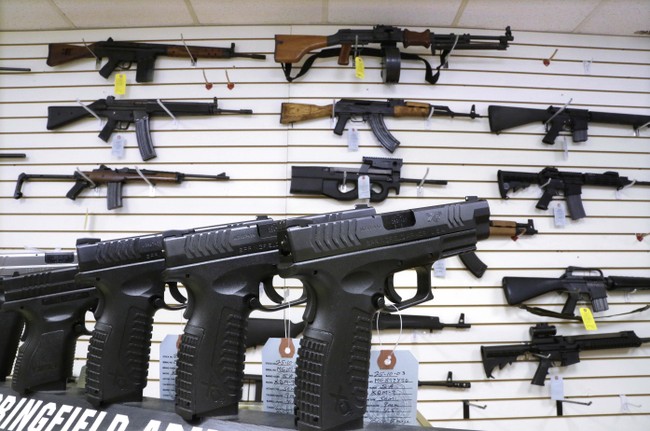
During the ensuing investigation, authorities searched Foehner’s apartment and discovered a large number of firearms and related gear: 26 weapons, over 13,000 rounds of ammunition, 152 large-capacity magazines, and items such as bulletproof vests. Those findings shifted the legal focus away from the shooting and onto criminal possession counts under New York’s strict firearms laws.
Foehner had no prior criminal record and described himself as a lifelong gun enthusiast and a doomsday prepper who kept his collection for personal security. The discovery of the unregistered arsenal prompted a prosecution that culminated in a plea deal; he pleaded guilty to a single weapons count rather than risk a more severe sentence at trial. A state judge then imposed a four-year prison term followed by post-release supervision.
Some observers said a less severe administrative response could have sufficed, suggesting confiscation of the unregistered weapons, probation, or compliance measures instead of incarceration. Others stressed that New York’s laws are clear about unlicensed firearms and that the sheer volume and nature of the items found made prosecution likely. The legal outcome reflects the tension between self-defense claims and strict regulatory frameworks for firearms possession.
Foehner’s personal reaction to the events is marked by remorse and uncertainty; he acknowledged that a man died as a result of his actions and questioned whether taking a beating might have been an alternative, saying, “Whatever the circumstances are, a guy is dead because of me. Maybe I should have taken the beating [that night], but who knows where the beating stops.” He also told reporters his immediate goal is to “survive” prison, adding, “I might not come out.”
Prosecutors framed the cache as dangerous and illegal, stating, “This stockpile was not a collection of your grandfather’s harmless, inoperable, antique weapons,” and calling it “an arsenal of lethal firearms and assault weapons possessed in full violation of New York State law.” That language was used to justify the decision to pursue charges for possession despite the accepted self-defense narrative for the shooting itself.
Court observers noted the role of local prosecutors and the judge who sentenced Foehner when assessing the case’s trajectory. The plea deal and sentence were finalized in a courtroom whose decisions were influenced by both statutory penalties for unlicensed weapons and prosecutorial discretion in selecting charges to pursue. The result left an older man facing significant time behind bars for possession rather than for the act of self-defense.
The case has prompted debate about overcriminalization, compliance burdens for lawful gun owners, and the balance between individual self-defense and public safety rules. Critics argue the penalty is disproportionate given the circumstances of the encounter and Foehner’s lack of prior convictions, while supporters of enforcement contend that the law must be applied when large, unregistered arsenals are discovered.
Family and friends have been left to grapple with the immediate human costs: separation from a spouse, the worry over his 8-year-old dog Biscuit who has been diagnosed with cancer, and the emotional strain of a man who keeps asking whether he did the right thing in defending himself. Those personal details underline how complex and painful outcomes can be when violent confrontations, firearms, and strict laws intersect.



Add comment