
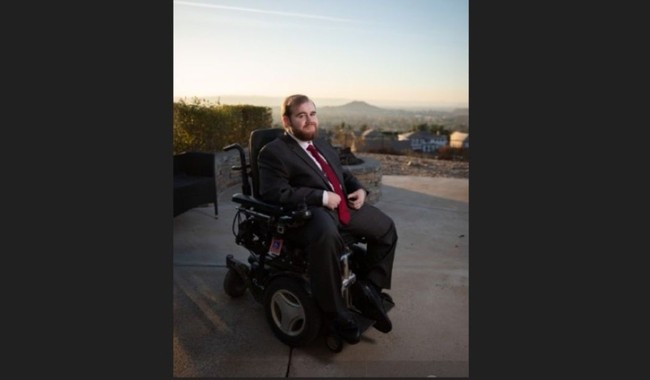
The author, a 24-year-old living with Duchenne muscular dystrophy, explains how a new American cell therapy called deramiocel could stabilize heart function if given before a critical left ventricular ejection fraction threshold, urges swift FDA action, and frames this as a chance for the president to act decisively on life-saving science.
My heart is beginning to fail and a new treatment could change that trajectory. I live with Duchenne muscular dystrophy, a genetic disease that almost always ends in heart failure. For years the decline felt slow, but now it has accelerated and the window to act is shrinking.
Cardiomyopathy is the leading cause of death in Duchenne, and clinicians track left ventricular ejection fraction, or LVEF, to gauge heart performance. Once LVEF starts to fall, deterioration often speeds up, and every percentage point matters. The difference between stabilization and irreversible decline can hinge on timing.
An American biotech, Capricor Therapeutics, has developed an investigational cell therapy called deramiocel that targets the heart directly. This therapy is mutation-agnostic and can help patients whether they still walk or not. Most importantly, it addresses the organ that determines survival in Duchenne patients.
Across clinical trials, patients treated before crossing about a 45 percent LVEF threshold showed stabilization of cardiac function. Patients treated after that point still saw benefits, typically a slower decline, but they lost the best chance to truly preserve heart function. That difference is not academic; it translates into lives saved or lost.
Long-term follow-up from the Phase 2 HOPE-2 study now extends to four years and shows durable stabilization of heart function over time. This is not a transient effect; the benefit persists when the treatment is given early enough. That makes swift approval and access a matter of urgency for people like me.
The completed Phase 3 HOPE-3 trial also demonstrated meaningful, statistically significant preservation of upper-limb function. For Duchenne patients, preserving hand and arm use preserves autonomy: feeding ourselves, brushing teeth, combing hair, using phones, and hugging family. Those abilities are central to daily dignity and deserve priority in clinical decision-making.
There is currently no approved therapy that directly treats Duchenne cardiomyopathy. None. That absence creates a race between disease progression and regulatory action. For many patients, a delay is not neutral; it costs heart function and, ultimately, life.
Mr. President, this is American innovation in action: an American company pursuing a therapy that targets the most lethal complication of Duchenne. The United States can be the first country to approve a treatment that meaningfully addresses Duchenne heart failure. That would change the course of a disease that has seen decades of disappointment.
You have stated, “When the science is real and lives are on the line, government should act—not stall.” You championed the Right to Try and pushed against delays that cost lives. This is exactly that kind of moment, when the data is present and lives hang in the balance.
Under decisive leadership, regulatory review can be expedited in a way that preserves safety while recognizing urgency. Ensuring the FDA acts swiftly and prioritizes patients who stand to lose cardiac function would be a defining, lifesaving step. This is a straightforward application of pro-innovation, pro-patient policy.
For those of us living with Duchenne, each month counts and each percentage point of LVEF can change outcomes. If patients are identified and treated before their ejection fraction drops below roughly 45 percent, heart function can be stabilized. Missing that window makes true preservation much harder to achieve.
The science is no longer speculative, and the clinical signals are clear. Patients treated early show stabilization, long-term data support durability, and improvements in upper-limb function address critical quality-of-life concerns. The choice facing leaders is whether to prioritize lives and act with urgency.
The opportunity to lead, to cut unnecessary red tape, and to save lives is real right now. You can ensure the FDA moves quickly and responsibly, putting patient survival and American innovation first. Act now—timely action will preserve hearts and preserve lives.



Add comment