
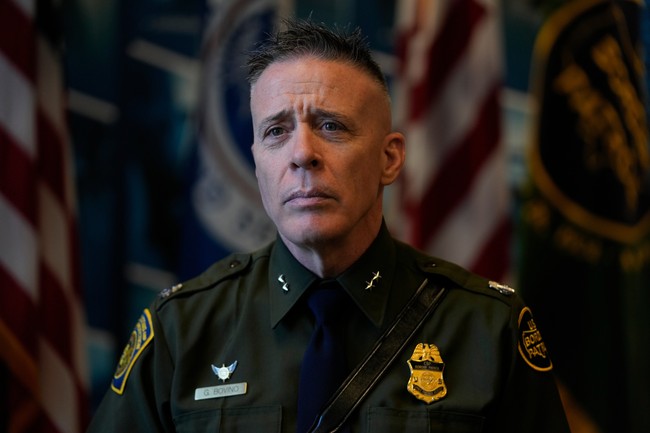
The whistleblower complaint lodged with the Department of Homeland Security inspector general says Customs and Border Protection Commissioner Rodney Scott pushed the agency’s internal watchdog to open investigations without documented allegations, tried to steer the Office of Professional Responsibility, and pressed for actions that could have cast a senior Border Patrol leader’s sworn testimony in a damaging light.
The complaint, filed by a career CBP employee in late February, alleges a pattern of internal pressure and poor recordkeeping tied to how investigations were initiated. It claims investigators and agency attorneys repeatedly raised concerns about procedures and the absence of written allegations, but that those concerns were brushed aside. The situation reportedly grew tense after leadership shifts and friction over immigration enforcement tactics.
According to the whistleblower, Commissioner Scott urged internal affairs to open cases even when there were no formal complaints to justify them. Investigators, whose role is to act independently, pushed back and requested written authorization before proceeding. The complaint says Scott declined to put requests in writing and signaled he had other means to achieve his aims.
“Scott has abused his position as Commissioner by attempting to leverage the Office of Professional Responsibility to initiate investigations against senior CBP personnel without documented allegations or proper justification. This conduct creates an ethical conundrum for OPR leadership and undermines the office’s role as an independent investigative body.”
Staff attorneys and OPR leaders reportedly worried that opening investigations without documented allegations would violate investigative standards and expose the office to legal risk. When officials asked for documentation, the complaint says Scott refused. That refusal, the whistleblower argues, undermined ordinary oversight safeguards designed to protect both employees and the integrity of investigations.
The complaint highlights an instance tied to litigation over immigration enforcement operations in Chicago and a court order about body camera use. Border Patrol Chief Gregory Bovino had provided sworn testimony asserting compliance with a temporary restraining order. The whistleblower claims Scott sought a reprimand that would suggest noncompliance with that order.
“The issuance of a reprimand alleging noncompliance with the court’s order would have created the appearance that Chief Bovino’s sworn declaration was inaccurate and could have exposed him to allegations of perjury or contempt of court.”
According to the complaint, agency lawyers later concluded the court order had not been violated and no reprimand was issued. Still, the whistleblower says the attempt itself raised serious concerns because it could have created a so-called perjury trap by undercutting a sworn declaration. That possibility alarmed career staff who viewed the episode as politically charged rather than investigatory.
The document also raises questions about the use of encrypted messaging apps for discussions about personnel actions. The complaint says Commissioner Scott and others used Signal instead of official government channels when talking about potential investigations. The whistleblower notes that such practices can hinder record preservation and transparency for actions that affect employees’ careers.
Trouble inside OPR is described as part of the fallout. The complaint says Jennifer Barreras-Rawls, who took over OPR in January 2026, resigned roughly a month later after refusing to open investigations without documented allegations. The whistleblower characterizes her exit as symptomatic of a culture that pressures staff to show loyalty to senior leadership rather than follow standard procedures.
“Barreras-Rawls did not feel that she had the support she needed from Commissioner Scott in addressing the deep-seated culture of division, corruption, and mandatory fealty to Commissioner Scott.”
The DHS inspector general has not publicly commented on the filing, and the complaint does not indicate whether a formal IG probe has been launched. Meanwhile, the allegations underscore a broader worry among career officials: that political considerations or personal vendettas could shape how misconduct inquiries are opened and handled. Those concerns feed into long-standing debates about accountability, due process, and the proper role of oversight within law enforcement agencies.
Career staff who value clear procedures and documented justifications say the complaint reflects problems that go beyond personalities and speak to institutional risk. If investigators are pressured to act without written complaints, employees and the public lose a key safeguard that ensures fairness and preserves evidence for any future legal review. The path forward depends on whether the inspector general pursues the allegations and whether CBP leadership restores strict adherence to investigative protocols.


Add comment