
California cities are increasingly asking voters to approve local tax hikes while spending climbs, driving businesses and productive residents away. This article examines the surge in municipal sales taxes, the weak link between higher spending and quality-of-life gains, and practical changes local leaders could make to stop the fiscal slide. It includes the exact quoted observations from taxpayer groups and research cited in the original reporting. The focus is on why raising taxes has become the default political route and what budgetary choices are causing the problem.
Local governments in California are putting more sales tax measures on the ballot, often during big election years when turnout is high. Elected officials and advocacy groups alike are turning to voters to approve higher rates instead of confronting spending choices at city hall. The effect is predictable: higher tax rates make cities less attractive to entrepreneurs, workers and families trying to weigh cost of living against opportunity.
Two years ago, 125 local tax measures appeared on ballots. Ninety, says the Howard Jarvis Taxpayers Association, passed. A number of cities now have local sales taxes that exceed 10%.
Several cities in “conservative” Orange County are likewise asking voters to approve various local tax increases. We won’t know until the deadline in August how many local governments will be begging voters to raise taxes in November, but the numbers will be mind-blowing. It’s a one-way ratchet every election cycle.
“Historically, whenever there’s a gubernatorial election or a presidential election year, you’re going to see a lot of local governments asking the voters to approve tax increases,” says David Kline of the California Taxpayers Association.
Some of the proposed hikes are steep and widespread: cities moving to add full percentage points, counties pursuing transit levies and even well-off jurisdictions increasing parcel taxes. Politicians often claim they are just giving voters a direct choice, but placing a tax on the ballot is an easy political maneuver that avoids truly hard governance decisions. When lawmakers outsource fiscal pain to voters, accountability erodes and long-term fiscal discipline weakens.
Raising taxes is presented as a cure-all for budget shortfalls, yet data suggest the money rarely translates into better streets, safer neighborhoods or more affordable housing. Analysts who track city spending point out that higher budgets have not produced consistent improvements in core quality-of-life metrics. That mismatch is what makes repeated tax increases so dangerous: they cannibalize economic competitiveness while delivering poor returns for taxpayers.
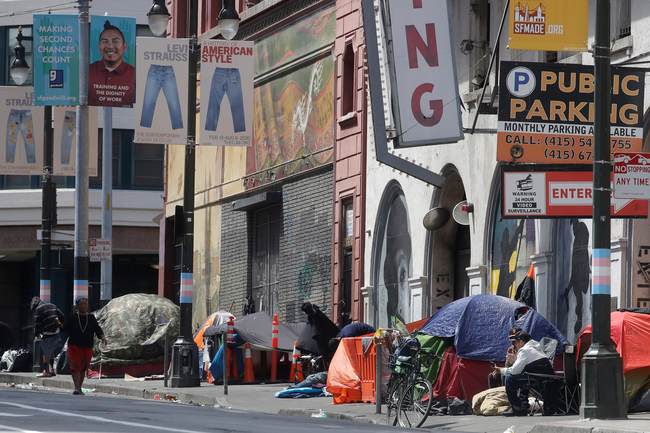
Despite the spending, which exceeds the rate of inflation, residents aren’t seeing their cities improve. Using federal data, the RCI analysis reports “that key quality of life metrics in major cities have mostly been stagnant during the spending spree.” The return on “investment” has been rather poor.
“The cities that boosted their spending the most were, on average,” says the RCI report, “no more or less likely to see measurable progress in” tackling homelessness, cutting violent crime rates, smoothing income inequality nor making rental property more affordable.
Far too much of cities’ unsustainable spending habits are eaten up by snowballing bureaucracies, cushy retirement plans for city workers, out-of-control healthcare costs and bloated union contracts.
The structural drivers of rising municipal costs are familiar: expanding bureaucracies, generous public-employee retirement promises, and health and benefits packages that outpace what the private sector offers. Those obligations create a fixed-cost baseline that makes budgets brittle and forces officials to look for quick revenue fixes. Without curbing those obligations, cities will keep choosing taxation over tough choices like consolidating services, reforming benefits or contracting competitively.
Reforming compensation and benefits for municipal employees would be politically hard but economically sensible. Tying retirement and healthcare plans to market realities, and requiring city workers to share in portable retirement accounts similar to 401(k) plans, would reduce long-term liabilities. Equalizing pay and benefits so that public employees mirror private-sector peers would remove a source of budget pressure and make city finances more sustainable.
The migration of businesses and skilled workers away from high-tax, high-cost cities is not theoretical. Firms follow costs and regulatory burdens, and individuals follow opportunity and affordability. As productive residents relocate, the tax base shrinks, leaving remaining taxpayers to cover an ever-larger share of fixed costs. That feedback loop makes repeated tax increases self-defeating.
Local officials can stop feeding that loop by prioritizing productivity, accountability and basic services over ever-expanding programs. Fiscal restraint, service consolidation and contract reform will be painful choices, but they are preferable to chasing more revenue through higher sales taxes. If policy aims are to preserve vibrant local economies and keep people and jobs in California’s cities, leaders should face the spending problem rather than treating taxes as the easy answer.



Add comment