
Checklist: highlight the FACE Act hearing and Brandon Gill’s approach; summarize the exchange with Professor Jessica Waters; describe the tactics Gill used and reactions on social media; reflect on personal journey from pro-abortion to pro-life and why this line of questioning matters.
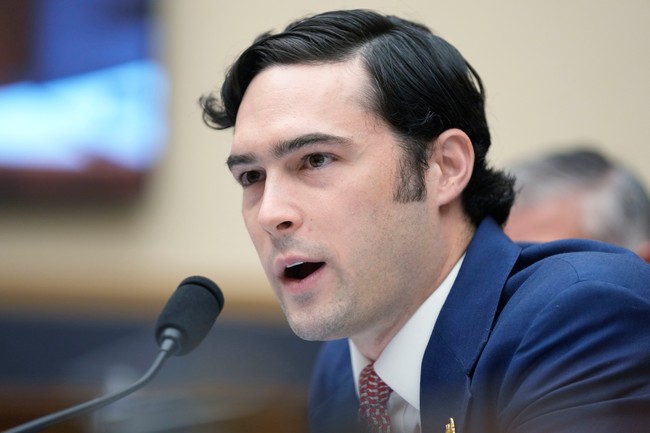
At a recent House Judiciary Subcommittee hearing on the FACE Act, Rep. Brandon Gill pressed a witness in a way that forced the abortion debate into uncomfortable, direct detail. The session focused on claims that the Freedom of Access to Clinic Entrances Act is being used to federalize criminal law, but Gill steered the conversation toward the procedures at the heart of the controversy. The exchange exposed the tension between legal theory and the human realities opponents want kept abstract.
Professor Jessica Waters of American University appeared to defend the FACE Act as necessary to safeguard access to reproductive health services, and she repeatedly tried to keep the discussion on that legal ground. Gill, however, asked about the actual procedures involved in terminating pregnancies and pushed Waters to respond to explicit descriptions rather than euphemisms. His technique was deliberate: remove the sanitized language and force a witness to reckon with the gruesome specifics many advocates avoid discussing.
Gill methodically named and described multiple procedures and asked Waters whether she would endorse any of them as preferable, repeatedly bringing the focus back to the physical consequences for the unborn. The witness declined to engage with those graphic descriptions and tried to pivot back to the FACE Act debate, but Gill kept returning to the same line of questioning. At one point he acknowledged what many watching felt: “I wouldn’t want to talk about this either if I were you, because it’s barbaric and evil.”
That blunt line landed publicly because it framed the choice in moral terms instead of legal abstractions, and conservatives applauded the tactic. The hearing put a bright spotlight on why language matters: when procedures are described plainly, public perceptions can shift quickly. Those who defend existing legal frameworks often rely on technical language and policy arguments, but Gill demonstrated that confronting the physical reality can be a decisive political move.
Viewers online reacted strongly, amplifying clips and commentary and turning the exchange into a discussion about how policymakers should speak about life and law. Some celebrated the moment as a rare instance of straightforward questioning, and others in the conservative movement argued the hearing showed a strategic way to change minds. The session’s viral reach underscored how hearings can be used not just to parse statutes but to shape public opinion.
From a Republican perspective, Gill’s approach represented a discipline many in Congress lack: marry legal scrutiny to moral clarity. The FACE Act debate is important, but so is framing the underlying moral choice for voters and witnesses alike. By refusing to allow the issue to stay abstract, Gill aimed to force a more honest public conversation about what laws and policies protect and what they permit.
I can attest personally to the power of confronting concrete reality. I once considered myself pro-abortion in my younger years and accepted the prevailing media framing that focused on rights and health while avoiding specifics. It took time, reflection, and exposure to the actual details for my position to change, and that slow process is exactly what moments like this hearing can accelerate for others.
Whether Professor Waters will change her view is uncertain, and convincing a witness at a single hearing is rarely the point. The goal from the Republican side was to present a clear moral argument in public, invite scrutiny, and put pressure on the narratives that frame the debate. If even one person in the audience reconsiders how they think about these procedures after watching plain descriptions and watching a witness squirm, the exchange served its purpose.
Public hearings are tools for lawmakers to test legal claims, but they are also platforms to expose the real-world effects of policy choices. Gill used his time to force that exposure, and conservative supporters saw it as an effective blend of law and moral argument. In a political environment where framing decides popular support, pushing past euphemism and into the uncomfortable truth can be decisive for voters.
Watch (sensitivity/content warning for the squeamish):
Gill received a lot of plaudits on X for the exchange, with some calling it “” and others correctly pointing out that we a lot more Brandon Gills in Congress.



Add comment