
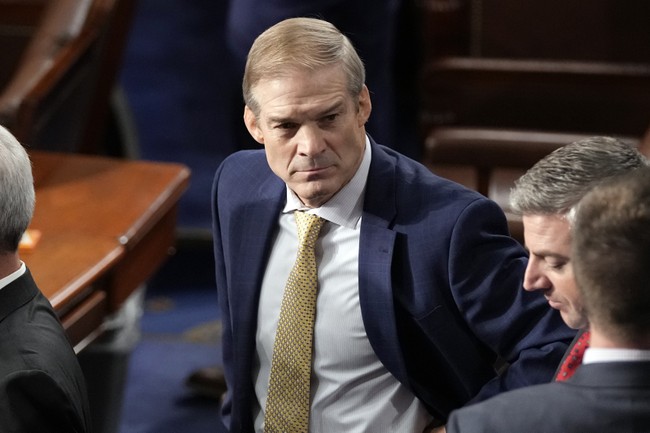
The Biden Justice Department’s “Arctic Frost” investigation subpoenaed Verizon for Representative Jim Jordan’s personal phone records across more than two years, revealing what many see as an unprecedented sweep of conservative lawmakers’ communications and raising fresh concerns about political weaponization of federal law enforcement.
Newly disclosed material shows a subpoena demanding toll records, metadata, and location information well before and after the January 6, 2021, events. The request spans back into 2020 and continues through April 2022, covering a 28-month period that includes lawmakers’ routine legislative, committee, and constituent work. This scope makes it clear the probe reached far beyond a narrow investigative purpose.
The subpoena instructs the wireless carrier to produce metadata about calls, texts, images, and even encryption or authentication details, with prosecutors ordered to appear in court to secure compliance. It also sought records tied to three other phone numbers, though those were redacted in the released document. A gag order was attached, preventing the target from learning about the subpoena for a period.
Journalists who reviewed the subpoena described it as “the most expansive yet of the publicly known subpoenas targeting senators and current and former House members” during the Arctic Frost operation. That phrasing, attributed to a reporter covering the matter, captures the alarm among conservatives who say the investigation repeatedly treated political figures as if they were suspected criminals rather than elected officials doing their jobs. The apparent breadth of data collection—who lawmakers called, who called them, and where they were when they called—feels more like surveillance than ordinary law enforcement work.
The Ohio Republican chairman at the center of this revelation pushed back hard, describing the collection as sweeping and personal. “All the way back to January of 2020, they gathered information that told them who I call, who called me, when we called each other, when the call took place, how long the call was and where I was at when I made that call – they got location as well – and they gathered that over a time period of 28 months,” he said in a broadcast interview. Those exact words underline the level of intrusion alleged by the targeted lawmaker.
Republican lawmakers and conservative commentators respond that this kind of government action crosses a line and echoes historic abuses of power. They point out that members of Congress perform constitutionally protected duties and routinely communicate with a wide range of people, including constituents, executive branch officials, and other lawmakers. Sweeping seizures of metadata, critics argue, chill legislative oversight and create a chilling effect on political opposition.
The Arctic Frost investigation reportedly also included attempts to obtain records from senators and former House leaders. Reports say requests touched figures across the Republican conference, including senators and former House speakers, suggesting a pattern rather than a one-off decision. If true, that pattern fuels the argument that the Department of Justice was conducting a broad fishing expedition into the private lives of political opponents.
Some officials have stated that government-issued devices were accessed, a claim that further intensifies concerns about overreach. “Seized President Trump’s” was the phrase cited in commentary about the special counsel’s reach, and that assertion feeds the narrative among conservatives that the probe was both broad and highly political. Whether targeting an opposition president or his allies, the idea that the state can pull detailed movement and contact data without clear, narrow justification alarms defenders of civil liberties.
Beyond the legal mechanics, the political fallout is immediate. Republican leaders are calling for answers about who authorized such expansive subpoenas, what judicial oversight occurred, and whether existing safeguards were respected. They want to know whether sensitive communications tied to legislative oversight of the executive were swept up in a probe nominally tied to election matters, and if so, how to prevent similar actions in the future.
The controversy also exposes media dynamics, with conservatives accusing mainstream outlets of downplaying the story while emphasizing other narratives. That perception deepens distrust in institutions when accusations of partisan enforcement go unanswered. For many on the right, the episode reinforces long-standing fears that federal law enforcement can be turned into a tool for political advantage rather than a neutral arbiter of the law.
Legal experts warn this episode could prompt new litigation over congressional privilege, privacy, and the limits of investigative subpoenas. Courts may eventually clarify whether metadata seizures of lawmakers must meet a higher threshold or receive special protection. Until those questions are resolved, the incident will remain a flashpoint in debates over the proper role of the Justice Department in politically sensitive investigations.


ᴍᴀᴋɪɴɢ ᴏɴʟɪɴᴇ ᴊᴏʙ ᴛʜᴀᴛ ꜰʟᴏᴏᴅꜱ ʏᴏᴜʀ ʙᴀɴᴋ ᴀᴄᴄᴏᴜɴᴛ ᴡɪᴛʜ ᴄᴀꜱʜ ᴇᴠᴇʀʏ ᴡᴇᴇᴋ. ʙʏ ᴡᴏʀᴋɪɴɢ ᴊᴜꜱᴛ 2 ʜᴏᴜʀꜱ ᴀ ᴅᴀʏ ᴀꜰᴛᴇʀ ᴄᴏʟʟᴇɢᴇ, ɪ ᴍᴀᴅᴇ $17,529 ʟᴀꜱᴛ ᴍᴏɴᴛʜ. ɪ ʜᴀᴅ ᴢᴇʀᴏ ᴇxᴘᴇʀɪᴇɴᴄᴇ ᴡʜᴇɴ ɪ ꜱᴛᴀʀᴛᴇᴅ, ᴀɴᴅ ɪɴ ᴍʏ ꜰɪʀꜱᴛ ᴍᴏɴᴛʜ, ɪ ᴇᴀꜱɪʟʏ ᴇᴀʀɴᴇᴅ $11,854. ᴛʜɪꜱ ᴊᴏʙ ɪꜱ ɪɴᴄʀᴇᴅɪʙʟʏ ᴇᴀꜱʏ ᴛᴏ ᴅᴏ, ᴀɴᴅ ᴛʜᴇ ʀᴇɢᴜʟᴀʀ ɪɴᴄᴏᴍᴇ ɪꜱ ꜰᴀɴᴛᴀꜱᴛɪᴄ. ᴡᴀɴᴛ ᴛᴏ ᴊᴏɪɴ ʀɪɢʜᴛ ɴᴏᴡ? ᴊᴜꜱᴛ ᴠɪꜱɪᴛ ᴛʜɪꜱ ᴡᴇʙᴘᴀɢᴇ ꜰᴏʀ ᴍᴏʀᴇ ɪɴꜰᴏ…
ᴇᴀʀɴɪɴɢꜱ ᴀʀᴇ ꜰᴀɴᴛᴀꜱᴛɪᴄ.Open This➤➤ Www.Salary3.Com