
Checklist: explain what happened with the USAF C-17 flight, note the Russian test launch and New Zealand NOTAM, critique media overreaction, preserve direct quotes and key details, and include the original embed token.
A U.S. Air Force C-17 flying from New Zealand toward Antarctica turned back to Christchurch after a Notice to Airmen warned of potentially hazardous activity linked to a Russian missile test. The decision to return was described as a precaution, not a response to an attack, and the aircraft and crew were never in immediate danger. Some outlets framed the event as a looming Russian threat, but the facts show a routine safety call and conservative action by the Air Force. The episode is a good example of cautious military practice and sensational headlines colliding.
The C-17, operating on a mission from Christchurch toward Antarctica, was diverted after New Zealand’s Civil Aviation Authority issued a NOTAM advising pilots of hazardous activity. That NOTAM followed communication from Russia’s air traffic agency about a planned missile launch in New Zealand’s Oceanic Flight Information Region. The C-17 turned back less than three hours after departure, a choice made out of prudence for a high-value aircraft and crew. Military planners often prefer caution over risk when any uncertainty touches a flight corridor.
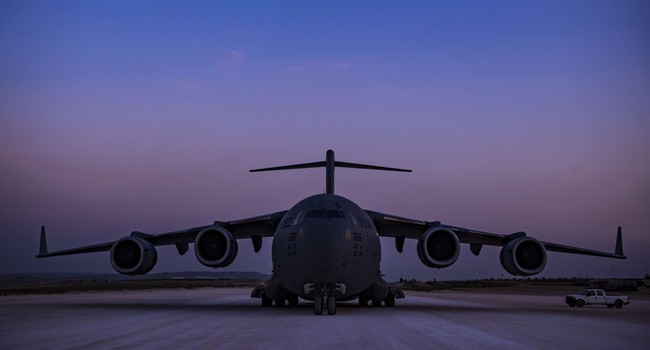
The American C-17 Globemaster aircraft, using call sign ICE28, initially took off from Christchurch, New Zealand, around 9:00 a.m. local time but returned back to Christchurch less than three hours later due to a Notice to Airmen (NOTAM) sent by New Zealand’s Civil Aviation Authority (CAA).
A spokesperson from CAA told The Hill Tuesday that it was made aware of potentially hazardous activity by Russia’s state air traffic management corporation, “resulting in the issuance of a NOTAM advising pilots of the hazard.”
To be clear, the activity was a test launch communicated ahead of time, not a targeted strike. The CAA specifically noted it had been made aware by Russia of a planned missile launch and the resulting potential hazard to international airspace. Aircraft routinely avoid areas where ballistic testing or launches create debris risk, sometimes bluntly described as “aluminum rain.” Decisions to reroute or return are standard risk-management choices, not evidence of imminent aggression.
On Wednesday, the spokesperson revealed that it was made aware by Russia of a planned missile launch.
“[We were] made aware by the Russian air traffic agency of a planned missile launch and associated potential hazard to international airspace, within New Zealand’s Oceanic Flight Information Region (FIR),” New Zealand’s CAA wrote.
Some headlines leapt from NOTAM to apocalypse, which is predictable when reporters chase drama over detail. A routine safety advisory turned into talk of threats in certain outlets, producing click-friendly but misleading headlines. Responsible coverage would have emphasized the NOTAM’s precautionary character and the sequence of notifications among Russia, New Zealand authorities, and the USAF. The facts show coordination and caution, not a surprise hostile act.
“We put in place a danger area and issued a NOTAM to alert aircraft operators to the potential hazard. This does not prevent aircraft from flying through the area; operators make their decisions based on the information available,” the agency continued.
The Air Force’s choice to divert the C-17 reflects prudent stewardship of expensive equipment and valuable personnel. These crews and platforms are strategic assets; risking them through unnecessary exposure to known launch corridors would be irresponsible. The NOTAM mechanism exists so nations and operators can make informed choices, and in this case the operators chose the safer option. That’s how professional militaries and civilian agencies are supposed to work.
It’s fair to call out the media when it turns a cautious military move into a scare story, but it’s also worth noting the system worked: the potential hazard was flagged, the operator assessed risk, and command made a conservative decision. The response here favored protection over bravado, which most commanders would agree is the right instinct for a multi-million-dollar transport and its crew. Sensational headlines do not change the underlying sequence of transparent, cooperative notifications that prevented any real danger.
Operational wisdom favors avoiding unnecessary exposure, and that remains the sensible takeaway from this incident. The crew returned safely, the flight did not continue into a notified danger area, and the NOTAM did exactly what it should do: inform operators and let them choose the safe path. Media should let facts and context lead the narrative instead of manufacturing tension where routine safety protocols are in force.



Add comment