
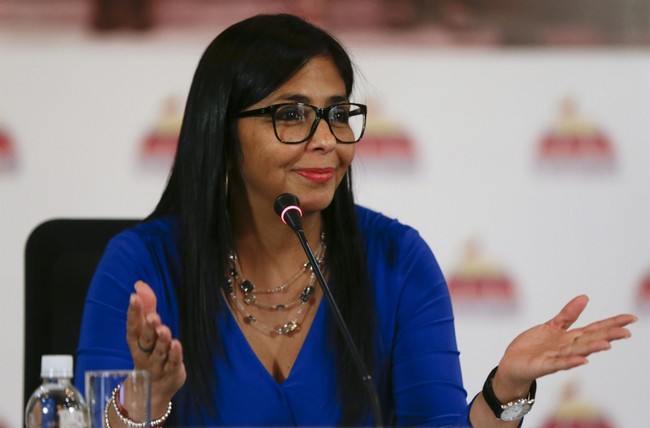
The U.S. removal of Nicolás Maduro has left Venezuela at a crossroads: the dictator is gone, but the same corrupt networks and officials remain in power, and the apparent caretaker, Delcy Rodríguez, looks likely to keep the same criminal machinery running while talking cooperation with the United States. This piece examines who is actually in charge now, what their record shows about reform prospects, and why Venezuelans and Americans should be skeptical of quick promises. It highlights key players, documented accusations, and the practical risks of mistaking rhetoric for real change.
When Delta Force captured Nicolás Maduro, questions exploded about what comes next for Venezuela and how the U.S. handles the aftermath. The Trump administration framed the operation as temporary U.S. oversight leading to a safe transition, with assurances that a replacement will be identified and that Venezuelans will see a better life. That messaging aims to avoid another open-ended military commitment while promising accountability for those who suffered under the old regime.
With Maduro now out of power, Trump said the U.S. will oversee Venezuela until a safe transition to a legitimate replacement for the deposed strongman can be identified.
“We have a group of people running [Venezuela] until such a time it can be put back on track, make a lot of money for [Venezuelans] … give people a great way of life, and also [reimburse the] people in our country who were forced out of Venezuela,” Trump said.
The president added that, while it was his understanding that Venezuelan Vice President Delcy Rodriguez was “just sworn in” [to the presidency] following Maduro’s ouster, Rodriguez seemed willing to work with the U.S. to achieve what’s best for Venezuelans.
“[Secretary of State] Marco [Rubio] is working on that directly. He just had a conversation with [Rodriguez], and she’s essentially willing to do what we think is necessary to make Venezuela great again,” Trump said.
On the ground, the picture is messier than optimistic statements. Delcy Rodríguez has been a fixture of chavismo for decades, trusted by both Hugo Chávez and Maduro, and she is deeply enmeshed in the institutions that enabled the regime’s control. Her public willingness to talk with U.S. officials should be treated as tactical posturing unless she takes demonstrable, structural steps to dismantle the corrupt networks that enriched the regime and brutalized citizens.
Rodríguez is not an outsider poised to reform the system; she is a longtime insider tied to the same power brokers who have run Venezuela for years. Those relationships include family links and security alliances that have helped keep the state apparatus intact and profitable for its controllers. Simply swapping one figure for another who shares the same worldview is not real change.
Some of the most damning evidence against members of the old regime is public and serious. Key figures have long been accused in U.S. proceedings and by international observers of involvement in drug trafficking, kidnappings, torture, and using the state as a criminal enterprise. These accusations are not casual; they map to real criminal cases and significant rewards issued by U.S. authorities.
The Secretary of State said the US will not outright support the Maduro crony staying in power, calling for elections to determine the next leader of the beleaguered South American country.
“This is not about the legitimate president. We don’t believe that this regime in place is legitimate via an election,” Rubio told ABC’s “This Week” on Sunday. “And that’s not just us. It’s 60-something countries around the world that have taken that view as well.
“Ultimately, legitimacy for their system of government will come about through a period of transition and real elections,” Rubio said. “It’s the reason why Maduro is not just an indicted drug trafficker. He [was an] illegitimate president. He was not the head of state.”
Delcy Rodríguez has been sanctioned in the past for repressing dissent and is linked through family and allies to officials with multi-million-dollar bounties. Her brother and other close associates occupy high-level security posts with histories that raise serious red flags about continued criminality. All of this suggests that the security and oil networks that funded the regime remain operational.
There are clear operational incentives for a transitional government that keeps the state machinery intact to maintain cash flows, especially oil export channels that benefit entrenched interests. Evidence shows that oil deliveries continued even amid leadership upheaval, underscoring how economic levers can be used as cover while political promises are made. That dynamic creates strong reasons to suspect rhetoric of cooperation may be a smokescreen for business as usual.
Worse, maintaining the Chavez-era state without rooting out the criminal networks will block the return of millions who fled the country, particularly those with ambition and ability. The exile of talent and capital crippled Venezuela’s recovery long before Maduro’s capture. If the structures remain, rebuilding a thriving Venezuela will be near impossible.
The U.S. and its partners face a hard choice: insist on real, verifiable institutional reform that dismantles the regime’s criminal enterprise, or risk installing a new boss who is simply more competent at preserving the old system. The past shows that superficial leadership changes without accountability lead to renewed corruption and continued suffering for ordinary Venezuelans. Real liberation requires breaking the networks, not just replacing a figurehead.
History offers a blunt lesson: swapping leaders without changing institutions tends to repeat the same failures. Venezuela’s recovery depends on a transition that removes the power of the criminalized state and creates conditions for genuine elections, secure property rights, and economic freedom. Anything less is a setup for the same tragic outcome under a different name.
Add comment