
Checklist: Explain Trump’s decision to delay the China summit; outline the Iran conflict’s role; summarize comments from White House and Treasury; highlight U.S. demands on China regarding the Strait of Hormuz; preserve key quotes and embeds.
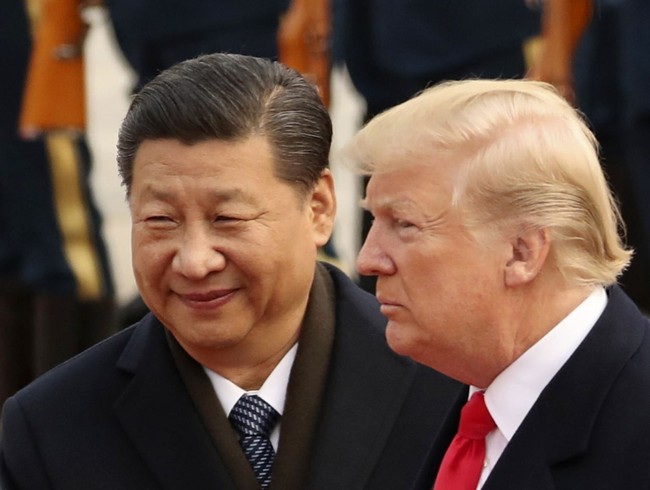
President Trump has told Beijing the planned summit with Xi Jinping can wait as Washington deals with escalating conflict in Iran and disruptions to shipping through the Strait of Hormuz. The decision centers on keeping focus and command in the United States while military and diplomatic pressure ramps up in the region. This pause is framed as both prudent and strategic by those close to the administration. It signals a prioritization of American security and the free flow of energy over international calendar diplomacy.
Beijing has watched the U.S. campaign closely as American forces have targeted senior Iranian leadership during Operation Epic Fury over the past several weeks. China has stayed cautious, neither rushing to condemn nor to even visibly oppose the moves, preferring to keep its options open. Trump has spent his administration pushing for a rebalanced trade relationship with China, arguing the old rules favored Beijing for too long. That trade posture remains a backdrop even as security concerns take precedence in the near term.
The summit was meant to focus on trade, as both Trump and Xi seek to extend a delicate tariff truce between the world’s two biggest economies. But China showed little immediate sign that it was bothered by the likely delay, which analysts told NBC News may actually prove beneficial to efforts to further stabilize relations.
Trump said Monday that his China trip planned for later this month could be postponed because of the war, telling reporters in Washington, “I think it’s important that I be here.” But his administration has not confirmed that the trip is delayed or shared more specific dates for when it would be rescheduled.
Treasury Secretary Scott Bessent told CNBC that any scheduling change would be logistical rather than punitive toward Beijing. The administration publicly frames the delay as a simple matter of timing, with the commander in chief choosing to remain close to decision-making in the United States while operations continue. White House press representatives have said it is “quite possible” the meeting could be moved. That posture reinforces the message that national security takes precedence over scheduled diplomatic theater.
Even while deflecting the idea that the delay results from a bilateral breakdown, the president is pressing China to play a more active role in keeping the Strait of Hormuz secure. The request is straightforward: China benefits heavily from routes that carry its oil and should share responsibility in protecting them. Trump pointed out the economic reality that roughly 90 percent of China’s oil supply transits that waterway, making the case that Beijing has both the incentive and the capability to contribute.
“If the meetings are delayed, it wouldn’t be delayed because the president demanded that China police the Strait of Hormuz,” Bessent said in an interview with CNBC’s Brian Sullivan in Paris. “If the meeting, for some reason, is rescheduled, it would be rescheduled because of logistics.”
“It would be a decision the president made as commander in chief to stay in the White House or to stay in the United States while this war is being prosecuted,” he said.
That being said, Trump wants China to take a stronger stand in keeping the Hormuz. “I think China should also help because around 90% of China’s oil comes through that strait,” he said in an interview Monday. The administration is pushing a coalition approach in practical terms: if threats to shipping persist, the U.S. expects major consumers and beneficiaries of Gulf energy to step up operationally and diplomatically.
So far, many countries have acknowledged the importance of keeping the strait open but few have taken bold action to ensure it stays that way. That gap between words and deeds has been a recurring frustration for U.S. leaders who see vital international interests at stake. The president’s choice to delay the summit buys time to test whether China and other partners will move from statements to tangible steps. The outcome of that test may shape the timing of any future high-level meeting.
Domestic politics and messaging also factor into the decision, as the administration balances showing steady leadership with the need to secure critical global commerce routes. Staying in the United States while conflicts are active overseas aligns with a commander in chief’s visible responsibilities. For now, the summit can wait while the nation’s focus remains where the administration says it should be: on protecting American interests and ensuring global trade keeps flowing without disruption.

Add comment