
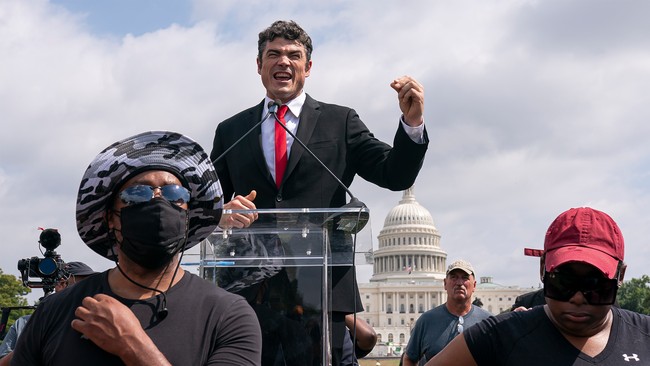
Tulsi Gabbard’s top aide at the National Counterterrorism Center, Joe Kent, resigned publicly, saying he could not support the U.S. war in Iran and accusing Israeli influence of driving the conflict. His resignation letter, posted on X, directly blames a misinformation campaign and warns against repeating Iraq-era mistakes. The departure raises questions about internal White House cohesion and the intelligence community’s role in advising military action. This article covers Kent’s background, the text of his letter, his stated reasons for leaving, and the immediate reactions inside the administration.
Joe Kent announced his resignation on X, stating plainly, “I cannot in good conscience support the ongoing war in Iran.” He made the post after releasing a formal resignation letter and framed his decision as a matter of principle and national interest. Kent is an Army veteran and previously ran for Congress twice without success, credentials that shaped his public voice on national security. From a Republican perspective, his stance underscores a split: some in the party back decisive actions while others fear open-ended commitments overseas.
In the resignation notice, Kent accused Israel and its American supporters of pressuring the United States into conflict, asserting the war lacked an imminent threat to American homeland security. He described the situation as one where “we started this war due to pressure from Israel and its powerful American lobby.” That claim is explosive in its simplicity and directness, and it frames the dispute as not just about strategy but about influence on U.S. policy. For those who prioritize American sovereignty and restraint, Kent’s words reflect a refusal to let foreign advocacy dictate American troop commitments.
After much reflection, I have decided to resign from my position as Director of the National Counterterrorism Center, effective today.
I cannot in good conscience support the ongoing war in Iran. Iran posed no imminent threat to our nation, and it is clear that we started this war due to pressure from Israel and its powerful American lobby.
It has been an honor serving under @POTUS and @DNIGabbard and leading the professionals at NCTC.
May God bless America.
Kent’s letter to the president went further, praising the administration’s earlier foreign policy posture while warning that a recent pivot had undone restraint. He reminded leadership of promises to avoid endless Middle East conflicts and said those promises were being compromised. Kent invoked historical memory, comparing today’s dynamics to the lead-up to the Iraq war and insisting America must avoid repeating those errors. This argument plays to conservative instincts for prudence in military commitments and skepticism of foreign entanglements.
He argued that a coordinated misinformation effort shaped public sentiment and policy decisions, saying high-ranking Israeli officials and elements of the media “deployed a misinformation campaign that wholly undermined your America First platform and sowed pro-war sentiments to encourage a war with Iran.” Kent warned the White House that this echo chamber had pushed leaders to view Iran as an imminent danger when, in his view, it was not. For conservatives who demand clear national interest before committing U.S. lives, Kent’s critique is a blunt reminder about the costs of rushed decisions.
“Early in this administration, high-ranking Israeli officials and influential members of the American media deployed a misinformation campaign that wholly undermined your America First platform and sowed pro-war sentiments to encourage a war with Iran. This echo chamber was used to deceive you into believing that Iran posed an imminent threat to the United States, and that should you strike now, there was a clear path to a swift victory. This was a lie and is the same tactic the Israelis used to draw us into the disastrous Iraq war that cost our nation the lives of thousands of our best men and women. We cannot make this mistake again.”
Kent’s personal history adds weight to his stance: his first wife was killed in a 2019 ISIS suicide bombing while she served in Syria, and that sacrifice informed his views on the true costs of war. He urged leadership to reflect on whom the current actions actually serve and whether sending another generation to fight is justified by American interests. His resignation stresses an ethical dimension many veterans emphasize—combat decisions must have clear, defensible goals tied to protecting Americans. That moral framing resonates strongly among Republicans who want to honor service without squandering lives.
As director of NCTC, Kent had duties that included synthesizing intelligence across agencies, tracking terror threats, and advising on counterterrorism strategy. His role put him at the intersection of raw intelligence and policy recommendations, so his public break is significant beyond his title. The White House has not issued an official reply, and reports say reaction inside the administration ranges from indifference to relief, reflecting complex internal dynamics. Meanwhile, Kent’s public exit will likely keep the debate over how the administration assesses threats and decides on military action in the headlines for some time.
The resignation is a test for the administration’s promise of decisive leadership paired with careful judgment. Kent framed his choice as a last resort, insisting he could not reconcile his conscience with current policy decisions. Whether his critique shifts policy or simply highlights existing divides, it will be watched closely by lawmakers and voters who want clarity on when and why America goes to war. For Republicans focused on American interests, Kent’s words are a stark appeal to sober judgment and accountability in national security decisions.


Add comment