
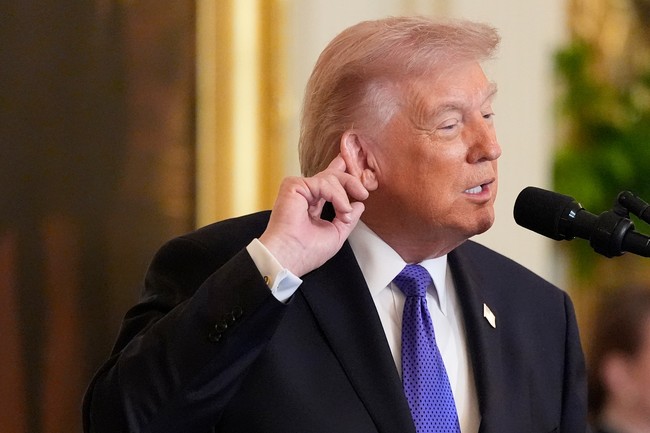
Checklist: Explain the exchange, restate Trump’s point about size and cost, highlight security rationale for a White House ballroom, note media and political reactions, and emphasize the bottom-line fiscal and safety facts.
“I doubled the size of it, you dumb person! Doubled the size!” “You are not a smart person.” Those lines from President Donald Trump are what grabbed the headlines, but the underlying exchange was about something much simpler: size affects cost and security matters more than optics. The back-and-forth started when a reporter tried to frame the ballroom project as a price hike divorced from its scope. Trump pushed back hard, correcting what he saw as a basic misunderstanding of math and priorities.
The reporter’s “The price has doubled” framing was the classic gotcha question meant to create a viral clip instead of clarify facts. Trump answered by pointing out the obvious: when you expand a room substantially, materials, labor, and space all increase, so the total budget rises. That plain arithmetic is the core of the dispute, not a mysterious overspend or hidden graft.
“I’ve doubled the size of it because we obviously need that,” Trump said, insisting the project remains “on budget, under budget, and ahead of schedule.” He has been consistent on the point that the ballroom will be larger and more capable than past arrangements and that those design choices change the cost picture. The administration frames the work as a one-time infrastructure investment to replace temporary, insecure setups used for large official events.
The security argument is the most persuasive practical case for building this ballroom on White House grounds. After the shooting at the White House Correspondents’ Dinner, holding events at commercial venues with limited perimeter control looked less and less acceptable. A dedicated, hardened facility on the most protected property in the country can include features like reinforced glazing, controlled access, and anti-drone measures that no hotel can promise.
Opponents have tried other angles: constitutional alarmism, partisan outrage, and flat claims about waste. One critique even suggested a permanent inside venue could somehow chill press freedoms, a contention that ignores the difference between daily reporting access and an occasional formal event. The White House already contains credentialed press and briefing facilities, so hosting one annual dinner in a secure, purpose-built room does not equate to quashing the First Amendment.
Sen. John Fetterman, who was at the Correspondents’ Dinner when the shooting unfolded, cut through the spin with a blunt assessment: “That venue wasn’t built to accommodate an event with the line of succession for the U.S. government. Drop the TDS and build the White House ballroom.” His point reflects a simple risk calculus: when events include the President, Vice President, and others in the succession line, the security stakes are dramatically higher than a typical convention center or hotel can handle.
Critics in Congress and the press who insist on treating square footage as an isolated scandal are missing the broader responsibility here. The ballroom is being designed with national security in mind, not just aesthetics or convenience. When federal officials host ceremonies, state dinners, or gatherings that involve continuity of government, the facility must meet standards that go well beyond the requirements of private venues.
When you look at the components that drive cost—larger footprint, structural upgrades, ballistic-resistant materials, secure ingress and egress, and technology to counter emerging threats—the math becomes straightforward. Bigger means more materials and stronger systems, and enhanced security features add specialized expense. Describing that outcome as a surprise is disingenuous when the scope of the project is public and intentional.
The media will, understandably, focus on soundbites and viral lines, which is why the “dumb person” clip will dominate coverage for a couple of days. But the real story is about trade-offs between fiscal transparency and public safety. Leaders have to justify investments in resilient infrastructure, and candidly explaining why size and security raise costs is part of responsible governance.
Republicans who support the ballroom emphasize that protecting the line of succession and preserving dignified, secure spaces for statecraft are conservative priorities: strong defenses, prudent investments, and safeguarding institutions. The question reporters asked about money was valid in spirit, but incomplete without context on scope and mission.
At the end of the day, the discussion hinges on whether officials and the public accept that a larger, fortified White House ballroom is a necessary adaptation to real threats and logistical needs. If the goal is to host major national events safely on the most secure grounds in the nation, then the higher cost associated with the larger, fortified design is a predictable consequence and a defensible choice.



Add comment