
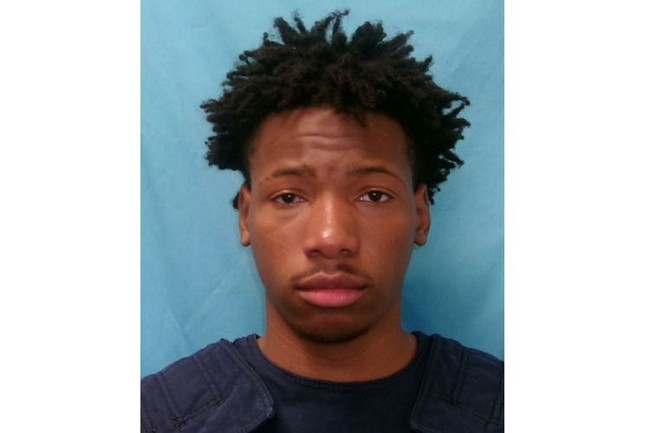
The jury has convicted 18-year-old Karmelo Anthony of murder in the 2025 stabbing death of 17-year-old Austin Metcalf at a Frisco, Texas, track meet; the verdict came after a short deliberation and moved the case into sentencing, where Anthony faces up to 99 years in prison. The trial featured intense courtroom moments, competing narratives from prosecutors and defense lawyers, and contentious jury selection that left questions about racial makeup. The incident, which occurred under rival school tents at a high school event, left a community reeling and sparked volatile reactions outside the courthouse as the legal process continued into its next phase.
The indictment centered on the fatal stabbing that took place at David Kuykendall Stadium in Frisco, a suburb of Dallas. Prosecutors argued that Anthony brought a knife to the event and used it against Metcalf, who died after being stabbed once in the chest. The case quickly attracted local attention because it occurred during a crowded, public school sporting event and involved teenagers from rival schools.
The trial reached a decisive moment when jurors returned a guilty verdict after approximately three hours of deliberation. Courtroom observers reported that Anthony was visibly emotional and sobbing when the verdict was read. With the murder finding, the trial shifted to a sentencing phase that could result in a lengthy term behind bars.
https://x.com/nicksortor/status/2064430730923389006
Prosecutors emphasized that deadly force was not justified and stressed the presence of a weapon. They argued that Anthony had an opportunity to walk away and instead chose to carry and use a knife at a school event. In closing, the lead prosecutor urged jurors to consider mindset over motive, portraying the act as deliberate and avoidable.
A very impassioned [prosecuitor Bill Wirskye] told the jury that “what’s not important is motive; what should be is mindset.”
“He took a knife to a track meet,” Wirskye said. ‘He had a secret, he kept it hidden… He was the only one with a knife that day. He was always going to come out on top that day.”
“You don’t get to meet a shove with a stab, especially if you provoke the shove,” Wirskye said.
The defense countered by pointing to a physical interaction moments before the stabbing, arguing that their client was shoved and that the jury must hold the state to its burden of proving guilt beyond a reasonable doubt. The defense also reminded jurors of legal standards and suggested that the case should not be reduced to simple moral judgment. They signaled plans to challenge aspects of the trial, including jury selection and other procedures.
He [Defense attorney Mike Howard] reminded the jury of the importance of the jury charge, noting that defendants are innocent until proven guilty beyond a reasonable doubt.
“The government wants this case to be about, ‘Melo could have just left,'” Howard said. “Sure, he could have. I’m sure he wishes he did.”
Jury composition became a flashpoint during and after the trial. Multiple potential jurors who were Black were excused during selection, and observers noted that no Black jurors served on the final panel. Defense representatives indicated they may raise those issues on appeal, arguing that excusals affected the fairness of the process. The prosecution maintained that selections were lawful and based on acceptable grounds.
Outside the courthouse, tensions were high as supporters and opponents gathered while awaiting the verdict. Witness accounts described heated exchanges in the parking area and a notable law enforcement presence intended to keep order around the building. The atmosphere reflected the broader emotional charge the case carried for families, school communities, and local residents.
Reporting during the trial documented local reactions and courtroom developments as the case moved through closing arguments and into deliberations. The victim’s family and members of both schools attended proceedings, and the community watched closely as courthouse activity unfolded. For many parents and local leaders, the incident raised persistent questions about safety at school events and how conflicts among teenagers can escalate quickly when weapons are involved.
Legal analysts say the sentencing phase will examine aggravating and mitigating factors that could influence the length of any prison term. If convicted of the charges as tried, Anthony faces exposure to a very long sentence under Texas law, which provoked intense courtroom argument over whether the facts supported a murder conviction. The defense has indicated it will pursue appeals on evidentiary and procedural grounds once sentencing is resolved.
Community reaction has included appeals for calm alongside calls for accountability, and local leaders urged restraint while the justice system completes its work. School administrators and youth organizations expressed sorrow and emphasized the need to prevent similar tragedies on school grounds. Meanwhile, legal timelines suggest additional hearings and filings will follow as the case proceeds through sentencing and potential appeals.
Clarification: More information about the sentencing phase was added after the story was originally published.



“Anthony was visibly emotional and sobbing when the verdict was read.”
Did Anthony sob for the young 17-year-old Austin Metcalf who had his whole life ahead of him which Anthony destroyed and stole from Austin by his evil, brutal and selfish act of violence? NO, why would he when he’s just a selfish wicked bastard! So the appropriate judgment has come and he should get the maximum sentence!