
The State Department has issued a global warning as tensions in the Middle East rise after U.S. service members were killed, urging Americans worldwide to increase caution and monitor local embassy guidance; this article explains the advisory, the risks to Americans at home and abroad, and practical steps to stay safer during this volatile period.
The situation in the Middle East has escalated quickly, with American lives lost and a firm response ordered by the president. That escalation creates ripple effects far beyond the region, so the State Department felt it necessary to alert U.S. citizens everywhere to a heightened risk environment. When conflicts heat up, U.S. diplomatic facilities and symbols can become targets, and those threats sometimes extend to other countries where Americans live, work, or travel.
The official announcement arrived in the form of a formal notice issued by the State Department and shared publicly over the weekend. The post warned of the complexity of the security environment and the possibility of unforeseen escalation, underscoring that information is changing rapidly. Practical disruptions like flight cancellations and airspace closures are already possible, and anyone planning travel should assume interruptions are likely.
https://x.com/TravelGov/status/2078567441089593444
.
The public message included this warning in full:
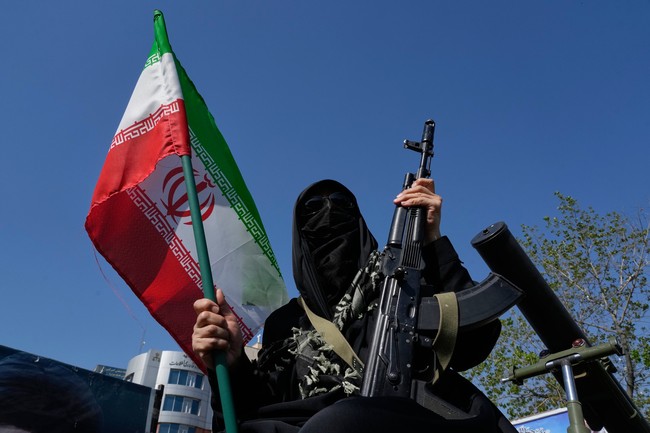
Worldwide Caution: Due to heightened tensions in the Middle East, the security environment remains complex with the potential for unforeseen escalation. We remind Americans in the region of the continued need for caution and encourage them to monitor the news for breaking developments. The Department of State advises Americans worldwide, and especially in the Middle East, to exercise increased caution. Americans abroad should follow the guidance in security alerts issued by the nearest U.S. embassy or consulate. Flight cancellations and periodic airspace closures may cause travel disruptions. U.S. diplomatic facilities, including outside the Middle East, have been targeted. Groups supportive of Iran may target other U.S. interests overseas or locations associated with the United States and/or Americans throughout the world. Please read carefully our Travel Advisory, country information, and any recent security alerts when planning travel at http://travel.state.gov/destination.
That official language is blunt: Americans must assume danger is not confined to the battlefield. Groups aligned with hostile actors could strike U.S. interests and Americans abroad, and diplomatic posts have already been targeted. This advisory is a reminder that the U.S. government is watching, but individual vigilance remains essential because official protection has limits, especially when threats are diffuse and fast-moving.
Travelers should immediately check the latest guidance from their nearest embassy or consulate before making plans. Expect sudden changes: out-of-the-blue flight cancellations, temporary airspace locks, or local restrictions that complicate movement. For civilians overseas, knowing where the nearest American diplomatic facility is and how to reach it quickly can make a real difference if tensions flare locally.
Americans at home should not be complacent either; threats can migrate and actors with hostile intent sometimes try to exploit open borders and lax enforcement. The advisory reflects a broader concern that individuals connected to hostile states or organizations might be present here. That does not mean panic, but it does mean staying alert, tracking credible intelligence and alerts, and cooperating with law enforcement when something looks off.
Practical personal-security habits matter now more than ever. Keep situational awareness high in public spaces, plan escape routes when you travel or attend events, and avoid predictable patterns that make you an easy target. If local law allows and you are trained and responsible with a firearm, taking personal defense measures is a realistic choice for some; for others, non-lethal options and a firm awareness strategy are better and safer choices.
Don’t ignore travel advisories or push notices from the State Department: they exist to give you a chance to alter behavior before a situation deteriorates. Maintain contact plans with family, register with your embassy where possible, and have contingency funds and an evacuation plan. These steps are basic, practical, and can be handled without drama but with discipline.
We live in charged times and the administration has signaled it will act decisively when American lives are threatened. That firmness is reassuring, but it does not eliminate short-term danger or the chance of escalation. Americans, whether at home or abroad, should accept the reality that increased caution is now part of daily life and act accordingly to reduce risk.



Add comment