
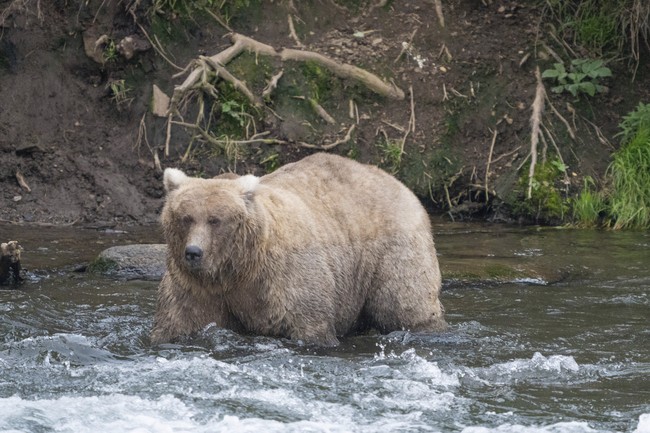
Three hikers at Anan Creek Wildlife Observatory in southeast Alaska had a heart-stopping close call on July 12 when a famous coastal brown bear nicknamed “Scuba Sue” crossed their path, and a calm ranger briefing plus some quick thinking kept the encounter from turning deadly.
The group was out watching for salmon when they saw several black bears earlier in the day, then rounded a bend and came face-to-face with a much larger animal returning from the river. The sudden appearance of a big bear on a narrow track is the nightmare scenario for anyone hiking in bear country, and these hikers felt the shock instantly. Panic would have been natural, but training and presence of mind mattered more than adrenaline that day.
“We’d actually been watching bears, hoping that there were salmon coming up the river. We saw about four or five bears earlier. Those were black bears. And then coming back on the trail, we had an unexpected encounter,” Dr. Michelle Lynn Thaller said. “Right around the corner came this grizzly bear.”
Video of the moment shows how close the bear got and how tense the exchange was as the hikers kept talking to the animal and backed away slowly to give it room on the path. The group credited the ranger’s pre-hike talk with giving them the right actions to take instead of running or turning their backs. Tanya Thompson captured that mixture of fear and discipline: “Oh, [I] was definitely terrified. And then we remembered what the rangers told us, which was what you said, to be big, talk to the bear, keep it calm and get out of its way.”
The timing of the encounter was important because the salmon run had been delayed that season, leaving coastal bears hungrier and more unpredictable while they waited for their usual food source. Thaller pointed out that in past years the bears had been focused on salmon, but the late run meant these bears were more eager for anything edible. That context changes risk calculations for anyone in the area and underscores why rangers emphasize caution and clear behavior when trails cut through feeding zones.
Ranger advice was straightforward and lifesaving: never run and never turn your back on a bear. Running can trigger a predator response and almost always ends badly because humans are poor sprinters compared with bears. Instead, hikers should make themselves appear larger and use loud, controlled human noises to signal they are not prey and to try to de-escalate the situation while giving the animal space to move off the trail.
Practical tips from professionals matter because these animals are powerful and fast, and common instincts like fleeing are the wrong play. Slow, deliberate retreat combined with vocal presence helps preserve both human safety and the bear’s option to avoid an altercation. In tight spots where a bear needs the trail, the polite and assertive human approach can mean the difference between a scary encounter and a fatal one.
There was also curiosity about the bear’s nickname and why “Scuba Sue” draws so much attention. The bear is part of a broader coastal brown bear community that gets lots of viewing from wildlife cams and parks, and personality and distinctive behavior lead fans and researchers to give informal names. The animal community around Katmai and other Alaska sites produces celebrity bears like Otis and others from Brooks River, and people get attached to those recognizable individuals.
https://x.com/foxandfriends/status/2078450776330883402
Officially, park authorities designate these animals as brown bears, though media and locals sometimes call certain coastal individuals grizzlies because the line between labels and local behavior can be fuzzy. Regardless of the label, anyone who meets one on a narrow trail is wise to treat it with the same respect and caution. These big Ursus arctos specimens are impressive to watch from a distance and intimidating up close, and their behavior is driven by seasonal food needs as much as temperament.
If you want to observe bears without risking a close encounter, remote cams and park viewing platforms are the safer options that still deliver dramatic footage and learning opportunities. Those feeds let people appreciate salmon runs, territorial moments, and the rhythms of coastal bears without putting hikers in direct danger. For anyone heading into Alaskan bear country, simple preparation, ranger advice, and good judgment remain the best defenses.



Damn Straight! Kudos to these hikers for being properly informed and handling what could have turned into a life or death struggle in a heartbeat! If your going to be out in that country roaming around you best always have your shit wired and even have back-up contingency plans just in case the typical plan should lapse or fail! I personally wouldn’t just want to depend on the Rangers “great advice and instruction;” I would have “alternate means available to survive a worst case scenario!”~