
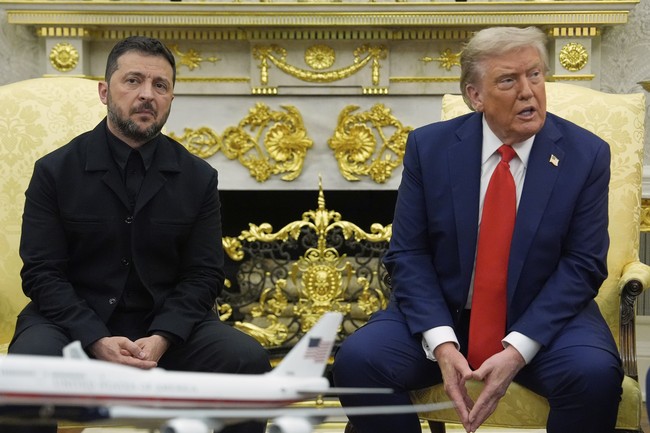
The House vote that sent a Ukraine aid bill to a certain veto was a political theater piece with clear winners and losers: 18 House Republicans broke ranks to back the measure, the White House made its opposition public, and Democrats leveraged procedure to force a headline-grabbing split inside the GOP. This article explains who crossed the line, the bill’s major provisions, the arguments from both sides, and why this matters for party unity and future foreign policy moves.
18 House Republicans Broke With Trump on Ukraine – Democrats Could Not Be Happier
Eighteen House Republicans voted with Democrats to pass a Ukraine aid bill despite a White House statement that the president would veto it. The final tally was 226 to 195, with one independent who caucuses with Republicans joining the yes votes and a single Democrat voting no. Members understood the likely outcome but chose to side with a cross-party push anyway, and the optics were immediate and sharp.
The package the House approved would authorize just over a billion dollars in direct assistance and offer loan authorities up to several billion more, while adding fresh sanctions and export controls aimed at Russian finances, energy, and mining. Those authorizations prompted concern in GOP circles about both fiscal responsibility and strategic consequences. Critics warned the bill imposed mandatory actions that could constrain U.S. flexibility in dealing with Moscow going forward.
The bill reached the floor through a discharge petition, a tool that forces a vote once 218 members sign and bypasses the Speaker’s usual control of the agenda. Several Republicans signed that petition alongside Democrats, effectively triggering the vote over objections from party leadership. That procedural move is at the heart of what rankled conservative voters: it looked like a strategic setup to embarrass the conference rather than a sincere effort to build consensus.
The White House framed the bill as dangerously prescriptive, saying it would “tie the President’s hands by mandating a wide-ranging U.S. response to the Russia-Ukraine war while adding hundreds of millions in unfunded authorizations.” The administration warned mandatory sanctions could “plunge the global economy into chaos.” Those warnings did not stop the 18 Republicans who voted in favor, and that divergence now fuels intra-party tension.
Republicans who opposed the measure were blunt, calling out what they view as misplaced priorities and political gamesmanship. Some described the vote as symptomatic of an anti-Trump streak, framing support for the bill as less about Ukraine than about a public rebuke of the administration. The tone from the right was sharp: this was not just policy disagreement, it was a signal to primary voters that these members had chosen the media moment over party cohesion.
“This bill is not about helping Ukraine. This is not about standing up to Vladimir Putin. This is about engaging in Trump Derangement Syndrome as President Trump tries to bring this [conflict] in for a landing.”
Other opponents kept their messages short and to the point, making clear they oppose further funding and do not want Congress to lock in steps that constrain diplomatic flexibility. That impatience with more spending reflects the GOP base, which has grown skeptical after repeated aid packages with questionable oversight. For many voters, the answer to unchecked foreign spending is to demand accountability and tighter limits, not more open-ended authorizations.
“I oppose further funding of Ukraine.”
There was also an argument that the bill undermined progress the administration negotiated with NATO partners. The measure calls on NATO members to reach a two percent defense spending target, even though the administration had already secured a larger commitment from allies. Critics say voting for this bill effectively walks back leverage and lowers the bar at a moment when showing strength should mean expecting more from partners, not less.
Some Republicans who supported the bill insisted they were standing with the Ukrainian people rather than rebuking the president. They argued the vote was about deterrence and principle, not politics, and cast their actions as defending an ally under pressure. Those explanations will matter less to grassroots voters focused on spending and strategic clarity, but they do reflect a sincere foreign policy view within the conference.
“If you support this bill, then clearly you are not interested in peace, because the consequences would tie the hands of this president and could lead to future hostilities that would bleed over into Europe.”
For members facing reelection, the choice to break with leadership carries political risk, especially when the result is a headline that paints the GOP as divided. For those leaving office, the calculus is easier; a departing member can cast a symbolic vote with fewer consequences. The split also hands Democrats a talking point: they achieved the spectacle of Republicans defying the president without passing a permanent change in law.
The bill will likely stall in the Senate or meet the promised veto, so the immediate policy impact is limited. But the political ripple effects are real, and the episode reveals a party wrestling with questions about spending, alliance commitments, and how closely lawmakers should align with the White House on foreign policy maneuvers. Expect the fallout to play in primary dynamics and in messaging about who speaks for Republican voters on defense and fiscal priorities.



Add comment