
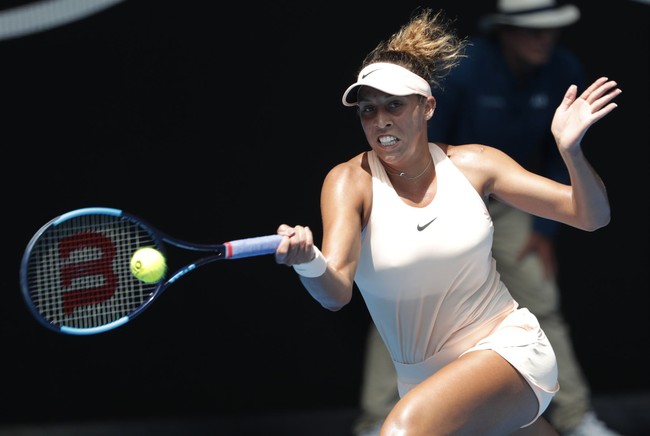
The press at the Australian Open has shifted from sports coverage to political ambush, repeatedly pressing American players to comment on divisive U.S. issues instead of focusing on tennis, resulting in terse refusals and one emotional response that shows how media pressure can force politics into a neutral arena.
Sports have traditionally offered a break from politics, a place where performance matters more than party. That divide is being tested at the Australian Open as reporters repeatedly ask American athletes to weigh in on national controversies instead of their matches. The pattern is consistent enough that it looks planned rather than spontaneous, which undercuts the notion of fair, match-focused sports journalism.
The same journalist has been asking American players a version of the same question after matches: how it feels to compete under the U.S. flag right now. His persistence has transformed routine pressers into political theater, where athletes are expected to supply commentary on issues they did not sign up to debate. The tactic makes little sense for fans who want insight about tennis, not a political lecture.
Coverage that pushes activism in every interview turns locker rooms into think tanks and sidelines the sport itself. When questions stop being about serve percentages and movement, it diminishes the athlete and inflates the reporter. Instead of covering players’ preparation, strategy, and performance, these exchanges steer attention to issues that belong in the proper political arenas.
He asked about pride and how playing under the flag felt, then probed, “Just to clarify a little, sort of in the context of the last year of everything that’s been happening in the US, does that complicate that feeling at all?” Amanda politely tried to keep the conversation on team pride and performance. When she said, “I don’t think that’s relevant,” she closed the door on manufactured controversy.
When the same line of questioning landed on Jessica Pegula, the reporter framed it around his editorial lead: “The US is a year into the second Trump admin, and a lot of people are suffering,” then asked if Pegula noticed a mood shift in Florida. She answered cautiously and circled back to tennis rather than getting drawn into a political debate. That measured response showed how athletes can deflect politicized probing without becoming partisan props.
Another player got a similar setup, with the reporter trying to connect domestic tensions to the athlete’s feelings about representing the U.S. He said, “A lot’s happened in the last year,” and asked how that made the player feel about competing under the flag now. The player replied, “Umm, no comment on that,” signaling a refusal to be baited into a political argument during competition.
The questioning of Taylor Fritz made the pattern obvious: the reporter was less interested in match analysis than in tugging athletes into political statements. Fritz’s body language and refusal to engage spoke volumes about the unfairness of turning a sports press conference into a political ambush. Athletes traveling the world to compete should not be obliged to serve as spokespeople for national controversies they did not create.
Coco Gauff was the one who took a different path and did respond about the difficulty of being a Black person in America. She said, “I hope forward that we can have a lot more peace in our country and more kindness in the way we speak to each other about different topics & things like that,” followed by, “Obviously I’ve been pretty vocal about how I felt. At this point, I feel a bit fatigued talking about it just because of the fact that it is hard being a black woman in this country and having to experience things, even online, and seeing marginalized communities being affected.. and knowing that I can only donate and speak out.” The words are hers and should be left as she offered them, not mined for headlines.
Gauff’s platform and success are real, but that prominence does not obligate every athlete to be a public policy expert at a press conference after a match. The reporter’s repeated framing treats players like political targets rather than competitors, making a mockery of sports coverage. Fans want insight on performance and competition, not a revolving door of political ambushes.
The outlet sending this reporter overseas is choosing a style that will alienate readers who subscribe for sports, not commentary cloaked as post-match questions. Turning every press interaction into a litmus test about national politics damages trust in sports journalism and narrows the space where fans can escape partisan battles. Respect for the game and its players means letting tennis be tennis at major tournaments.


Add comment