
Checklist: assess mayoral promises versus project placement, examine council accusations of favoritism, compare project maps with 2025 voting patterns, report reactions from local officials, highlight borough-by-borough discrepancies.
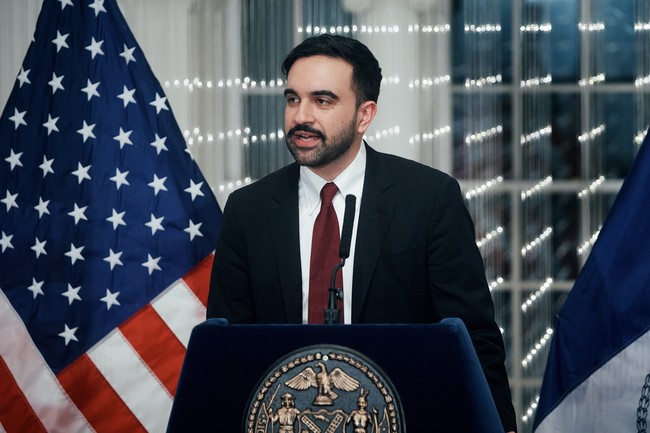
New York City’s mayor promised to represent everyone, but some council members say the city’s improvement projects tell a different story. Councilman Phil Wong of Queens claims Mayor Zohran Mamdani is directing resources to neighborhoods that backed him in 2025. That allegation has sparked scrutiny of where roadwork, housing, and transit improvements are actually happening across the five boroughs.
https://x.com/DinkyMyers/status/2064766771588960594
Wong points to a side-by-side comparison of the 2025 election map and Mamdani’s “First 100 Days” project map as evidence of a pattern. Observers used AI to overlay voting results with the locations of active projects, and the visual comparison suggests a clustering of work in Mamdani-supporting districts. If the cluster holds up under closer inspection, it would show taxpayer dollars flowing unevenly across the city.
In Queens, the distribution is striking: roughly seven or eight projects are reportedly located in areas that voted for Mamdani, while only one or two are in neighborhoods that supported Andrew Cuomo. That gap alone raises questions about how project sites were chosen and whether political loyalty played any role. One borough’s imbalance might be chalked up to coincidence, but similar patterns in other boroughs make coincidence less convincing.
Brooklyn shows its own oddities, with projects concentrated in northern areas that favored Mamdani and far fewer in southern parts that leaned toward Cuomo. Staten Island stands out for a different reason: it leans Republican by about 20 points and appears to have far fewer improvement projects than the rest of the city. The island’s lower support for Mamdani lines up with a noticeably smaller share of city-funded work.
The highest concentration of city projects appears in North Brooklyn, Manhattan, and the Bronx — places that recorded strong turnout for Mamdani last year. That pattern fits the simple math critics mention: more projects in pro-mayor neighborhoods, fewer in areas that opposed him. City officials have not supplied a clear alternative explanation for the geographic split.
Wong didn’t mince words about what he believes is happening. He accused the administration of treating public spending like a reward for political loyalty and said communities that resisted certain political machines have been left paying the price. His statement frames the issue as not just an administrative choice but a political one with real consequences for constituents.
“Let’s be honest, communities like mine have been paying the price for years because we refused to fall in line behind politicians like Bill de Blasio and now Zohran Mamdani. We continue to watch taxpayer dollars disproportionately flow into neighborhoods that overwhelmingly support the mayor. New Yorkers deserve a mayor who serves the entire city, not someone who treats public spending as a reward for political loyalty.”
Republican Councilwoman Vickie Paladino agreed that the project map matches Mamdani’s campaign focus and policy promises. She noted the mayor campaigned heavily on public transit, low-income housing, and street redesigns that include bike lanes, projects that resonate in some districts and not in others. Paladino made the point that districts uninterested in those priorities end up seeing little benefit from the new initiatives.
Another prominent critic, Staten Island Borough President Vito Fossella, was public about his frustration during a March press conference where he accused the mayor of shortchanging the borough. He argued that spending has been directed toward items Staten Islanders do not support and tied his concerns to operational choices, like sending city crews off-island during a heavy snowstorm. That incident added fuel to arguments about priorities and responsiveness.
City Council members on both sides of the aisle are now asking for clarity on project selection criteria and a transparent accounting of how neighborhoods were prioritized. Residents in parts of Queens and Staten Island say their potholes and infrastructure needs feel second-tier compared with high-profile work in other areas. Meanwhile, neighborhoods that backed Mamdani are seeing visible activity, which only intensifies perceptions of unequal treatment.
Public skepticism is growing as more constituents compare maps and timelines and ask whether political advantage influenced administrative decisions. For critics, the timing and placement of projects raise political and ethical questions about who ultimately benefits from public spending. For supporters, the administration points to campaign promises and policy emphasis as legitimate reasons for concentrated effort.
“It’s not a surprise that these projects are in areas that voted heavily for Zohran. A lot of what he promised during the campaign revolved around public transit, low-income housing, and street redesigns for bike lanes. Frankly, districts like mine have very little interest in any of that, so as far as I’m concerned, he can keep his projects far away from us. It’s not that we don’t have infrastructure needs here — we do — but I have very little faith in this administration to follow through on anything beneficial for districts like mine.”
As officials trade accusations, the neighborhood-level impacts are what residents notice first: filled potholes, new sidewalks, or stalled permits. The distribution of those tangible improvements matters politically and practically, because uneven public investment affects daily life. Lawmakers and community leaders say they will keep tracking project locations and demand explanations until the selection process is clearly justified.
Editor’s Note: New York City is now facing the consequences of Mayor Zohran Mamdani’s socialist takeover.


Add comment