
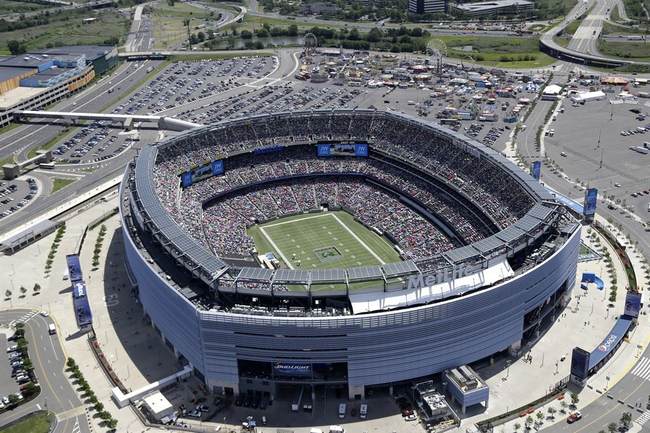
The World Cup brought a burst of color and noise to New York and New Jersey as Norwegian supporters turned everyday streets and MetLife Stadium into a stage for their famous Viking-style rowing chant, celebrating a thrilling 3-2 victory that sent Norway into the next round and left onlookers grinning at an unmistakable football fan tradition.
Norwegian World Cup Fans Take NY and NJ by Storm With Rousing Tradition The Norwegians arrived determined to make their presence known, and they did just that across subways, sidewalks, and Times Square. Their collective energy felt both playful and purposeful, a traveling fan culture that brought a local crowd along for the ride. City commuters and tourists alike ended up caught up in the moment.
Scenes on the subway showed groups in matching colors singing and stomping in tight rhythm, turning a routine commute into a mobile fan zone. The chant itself mimics rowing, with synchronized motions and shouted cadences that build in volume until everyone is shouting together. Those moments of shared performance highlighted how sport can convert strangers into a temporary community.
https://x.com/jersiegel/status/2066916973934457167
Once in Manhattan, the fans spilled into the iconic crossroads of Times Square, creating a spectacle that drew cameras and smiles from people who had never seen anything like it. The sheer joy was infectious, not aggressive—more a parade than a takeover. It was easy to see why their tradition has become a talking point for World Cup visitors across the United States.
On the way to MetLife Stadium, they kept the tempo, the chants echoing down transit corridors and through city plazas. The rowing chant felt like a living ritual, something they carried from country to country with pride. When they arrived at the stadium, the atmosphere had already been charged by hours of fan-driven buildup.
Before kickoff, the fan procession didn’t let weather or logistics get in the way; their synchronized rowing stretches and calls happened rain or shine. What began as a warm-up in the stands turned into a full-scale participation piece, with supporters and players feeding off each other’s energy. Even neutral fans found themselves clapping along at times.
On the pitch, Norway matched the enthusiasm with concrete results, getting on the board early when Marcus Pedersen scored the opener. Erling Haaland followed with a second goal that widened the lead and set the tone for a competitive match. Senegal fought back with Ismaila Sarr and another goal later on, turning the game into a tense finish.
The final score settled at 3-2 in Norway’s favor, a result that delivered both relief and celebration for the traveling supporters. Haaland’s brace left him near the top of the goalscorers list and kept his Golden Boot hopes alive. For fans who had invested time and travel into this trip, the victory proved a satisfying payoff.
After the final whistle, the players and supporters converged for a memorable moment when Martin Odegaard brought out a drum and the team joined the chant near their fans inside the penalty area. That scene—players seated, fans chanting, a drum leading the rhythm—felt like something older and communal than a typical postgame celebration. It was a ritual exchange: players acknowledging fans, fans returning the favor with volume and tradition.
This World Cup marked Norway’s first appearance on the big stage since 1998, and the team earned important wins that pushed them into the Round of 32. The trip to America has given a new setting to a cultural display usually seen in European stadiums, and the images of coordinated rowing chants in iconic U.S. locations are likely to stick with many who witnessed them. For now, the fans are already looking ahead to more matches and more chances to bring that unique energy along.



Add comment