
Rioters Stormed This Federal Building – Now a Judge Wants the Security Fence Gone.
The federal courthouse in Eugene is at the center of a clash between public protest rights and workplace safety after a judge ordered the fence around the upper courtyard removed within 48 hours, citing long-standing public use of the space; the decision leaves federal employees vulnerable while officials scramble to design a narrower security plan that protects both free speech and staff.
A U.S. District Judge, Mustafa T. Kasubhai, issued a bench ruling ordering the perimeter fence taken down within 48 hours after local activists sued over access to a plaza long used for protests, vigils, and public assembly. The dispute traces back to a Jan. 30, 2026 incident when police declared a riot at the federal building, which houses several agencies including ICE, IRS, the Social Security Administration, and the U.S. Army Corps of Engineers. The FBI later said it was seeking information in an ongoing investigation into the breach and damage caused by rioters that day, and federal officials cited broken windows, a breached lobby, evacuated employees, and a temporary building closure.
Federal lawyers argued the fence, which cost $269,225, was a reasonable response and pointed out that demonstrations could still use the lower plaza. The government also contended security concerns dated back to September 2025 and planned repairs to broken doors and windows plus work to harden the facade with riot-proof glass. Still, when officials could not provide a clear timeline for reconfiguring the fence or completing hardened upgrades, Kasubhai decided the immediate denial of public access to the upper courtyard ran afoul of First Amendment protections for a traditional public forum.
The judge emphasized the courtyard’s history as a protest space and rejected a permit-only regime that would require 72-hour approvals for upper-plaza demonstrations, saying such a process would choke off spontaneous speech. Kasubhai said the government has a legitimate interest in protecting employees and property but found the placement of fencing appeared aimed at eliminating public use. He declared from the bench: “There is a long tradition and history of using the upper space for both quiet vigils and also to express thoughts and opinions to the government agencies that are housed there,” and added that he was not convinced the fencing was meant to improve the building rather than block the public.
That ruling forces a difficult operational moment. Removing the fence before a replacement security posture is ready exposes employees to the very risks that prompted the original barrier, and federal staff who already experienced an evacuation this winter will be naturally concerned. Justice Department counsel acknowledged they lacked a timetable for installing alternative protective measures proposed by the judge, including smaller barriers along breezeways, which only heightens unease among those expected to report for work while the courthouse remains a potential target for unrest.
From a Republican perspective, the ruling underscores an uncomfortable trade-off where courts may prioritize abstract constitutional principles over concrete safety realities on the ground. Protecting free speech is nonnegotiable, but it is also reasonable to expect government to safeguard employees who enforce immigration, tax, and benefits laws. The case illustrates what can happen when security planning is reactive rather than proactive and when officials cannot supply clear answers about when hardened doors, riot-proof glass, or alternative perimeter measures will be in place.
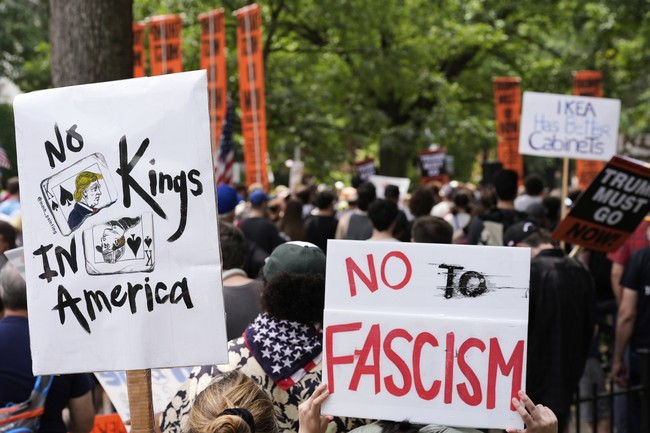
The plaintiffs stressed the plaza’s decades-long role as a community focal point for protest going back to the Vietnam era and argued that the fence unlawfully deprived the public of access. The court sided with that history, instructing the government to remove the fencing and inviting officials to propose a narrower security configuration that preserves public entry to the upper courtyard. Kasubhai also denied a stay request, meaning any immediate appeal would go to the Ninth Circuit while the fence comes down.
Employees and local residents now face a period of uncertainty: the fence is slated for removal, but the timeline for alternative protections remains vague. The judge offered a pointed quip about priorities from the bench when he said, “I’m not going to let the First Amendment cool its jets while contracts are being negotiated.” That remark captures the tension at the center of the decision — a court unwilling to trade constitutionally protected speech for bureaucratic delay, even as practical security questions remain unanswered.
The case will likely proceed through appeals and administrative planning even as the physical barrier disappears. If agencies had clearer, preexisting security plans and faster procurement paths for targeted protections, the public and employees might not be forced into this zero-sum choice. As it stands, the immediate outcome favors restored public access and entrenches a new battleground over how to balance open civic space with the real need to protect federal staff and property from future violence.

Add comment