
Checklist: critique Mamdani’s arrest claim; recount pushback from officials; note his concession and rhetoric; expose jurisdictional limits; highlight reactions from Israeli officials and legal commentators.
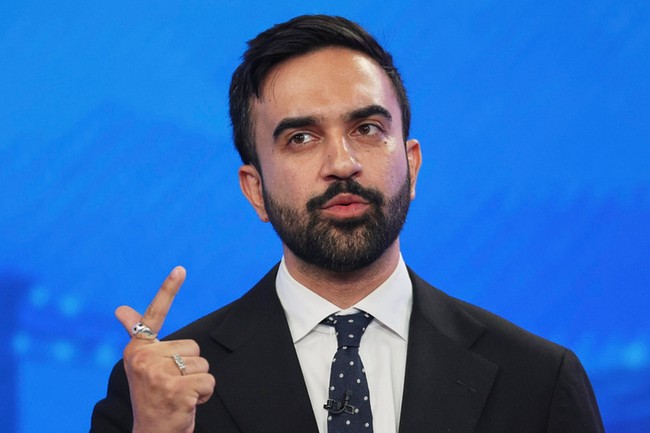
New York City Council member Zohran Mamdani floated a dramatic plan to try to arrest Israeli Prime Minister Benjamin Netanyahu when Netanyahu visits the U.S. for the United Nations, and that plan collapsed under basic legal reality. The idea played well with a segment of his base, but it ran headlong into criticism from U.S. and international figures who reminded him what powers a city official actually holds. What followed was a public retreat that exposed the gap between rhetoric and authority.
Mamdani framed Netanyahu as a “war criminal” and declared him the “architect of a horrific genocide” in clips shared after the announcement, but those characterizations did not translate into legal authority on U.S. soil. Federal and diplomatic officials were blunt: a city mayor or council member does not have the power to detain a visiting head of state. Even supporters who wanted to see action had to acknowledge that domestic arrest warrants and international tribunals operate under specific legal frameworks, not political theater.
High-level pushback came quickly and clearly. U.S. officials and legal commentators pointed out that local officials lack jurisdiction over foreign heads of state when those visits are coordinated through the United Nations. President Donald Trump summed up the practical response with “no way, no how,” a terse dismissal that cut through the hyperbole. The response underlined how the federal government and diplomatic channels, not municipal offices, control interactions with visiting leaders.
Mamdani later conceded he did not have the power he initially suggested he might wield, and that admission was awkward for someone who had promised dramatic action. He suggested the federal government should take steps aligned with an International Criminal Court warrant, while also declaring Netanyahu not welcome in New York. That position shifts responsibility upward and highlights the political theater of the original claim while also trying to keep the controversy alive.
Calling for the federal government to act is one thing; delivering on those demands is another. The ICC’s processes are distinct from U.S. domestic law enforcement, and the United States has its own policies regarding cooperation with international tribunals. A New York lawmaker demanding federal enforcement exposes a misunderstanding of separation of powers and diplomatic protocol, and it invites criticism that the calls were more performative than pragmatic.
Skeptics pointed out the optics: sitting behind a desk and speaking with gravitas does not grant constitutional or treaty-based authority. The spectacle of a local official promising to detain a foreign leader drew ridicule from opponents and uncomfortable questions from colleagues. It’s a reminder that political theater can play to a base while producing no concrete legal outcomes.
https://x.com/NYCMayor/status/2079718073058091261
Critics also flagged troubling rhetoric toward the end of Mamdani’s remarks, in which he said, “we can examine every tool we have to defend the humanity and dignity of all people.” That vague formulation raised concerns among those who prefer clear limits on municipal involvement in foreign policy. When local officials hint at expansive powers without legal grounding, they risk alarming constituents about overreach and raising the stakes of otherwise symbolic protests.
Israel’s Ambassador to the U.N., Danny Danon, publicly rebuked Mamdani for reaching beyond his remit and accused city leaders of playing into propaganda by meeting with hostile actors abroad. That diplomatic response underscored the wider consequence of municipal officials engaging in international disputes: it complicates diplomatic channels and can undermine consistent national positions. Danon urged Mamdani to focus on local responsibilities rather than pursue international confrontations he cannot credibly enforce.
Legal commentators and columnists dissected the claim of “genocide” and the feasibility of arrest based on ICC activity, noting that the threshold for such actions involves complex jurisdictional and evidentiary standards. Those analyses emphasized that sensational accusations need to be matched by legally sound mechanisms or else they remain political messaging. For many conservative observers, the episode illustrated the perils of grandstanding when governance and law require restraint and process.
In the end, the episode left Mamdani having to backtrack from a promise that never had legal teeth, while opponents used the misstep to highlight his limited authority. The whole affair became less about accountability and more about the limits of municipal power in matters of international law and diplomacy. That mismatch between bold claims and actual authority is where the political fallout landed, and it is where voters and commentators will continue to press for clarity on what city officials can and cannot do.



Add comment