
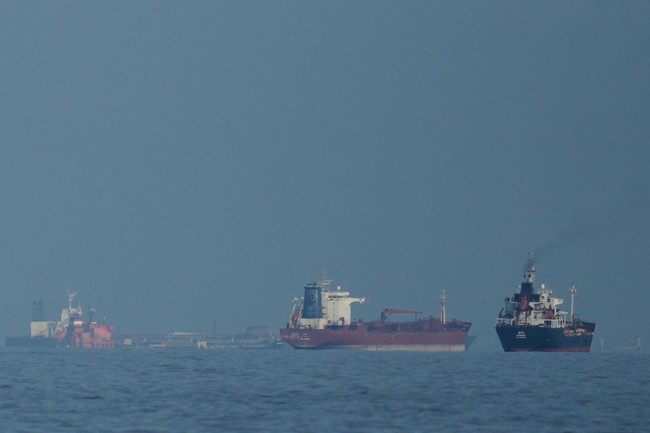
The Islamic Revolutionary Guard Corps says it closed the Strait of Hormuz after firing on a commercial vessel, claiming a warning shot struck the ship, and Tehran vowed severe retaliation against any U.S. or allied response; this came after a U.S. demand for Iran to publicly confirm the waterway is open by a set deadline and amid reports of a foiled assassination plot against the president.
The IRGC’s announcement that it had closed the Strait of Hormuz escalates a tense standoff in a vital shipping lane. Iran says its forces fired at a merchant vessel that it claims strayed into an unapproved route, and it insists the closure remains in effect until further notice. That claim immediately raised alarms in Washington, regional capitals, and among global merchants who rely on the strait for oil and commerce. Any move to block or threaten traffic there risks real economic and military consequences.
https://x.com/nypost/status/2076078825029423361
U.S. officials quickly asserted that Iranian forces had fired on a merchant ship and that the ship was hit, describing the action as reckless and dangerous. The Trump administration had demanded a clear, public statement from Tehran that the strait is open and that its forces would stop targeting commercial traffic. That demand came with a hard deadline and an explicit warning that failure to comply would bring serious consequences. From a Republican perspective, deterrence has to be credible and firm when strategic waterways and American interests are at stake.
Iran’s rhetoric grew sharper after the encounter, with state-linked voices promising “severe” retaliation for any intervention by the United States or its allies. The IRGC framed its actions as enforcement of navigational rules, alleging the vessel attempted to transit via an unapproved route. Whatever the details of the incident, Tehran’s decision to publicly announce a closure signals an attempt to project strength and test international resolve. The risk is clear: miscalculation in the strait could spark a wider clash that no one wants.
President Trump’s public pressure campaign had been explicit and unapologetic about consequences for Iran if it kept attacking shipping lanes. U.S. officials told reporters that Washington expected a public Iranian admission that the strait was open and that Tehran had been wrong to fire on commercial vessels. The administration framed the demand as a test of Iran’s willingness to adhere to rules that keep global commerce flowing. Republicans argue this kind of straightforward, high-stakes diplomacy is necessary to prevent further aggression.
Reports also surfaced suggesting a separate, grave threat had been disrupted recently: an alleged Iranian plot to assassinate the president that some sources say was foiled with outside intelligence. That allegation, if true, compounds the urgency of the moment and underscores the stakes for U.S. national security. It also helps explain why policymakers on both sides of the aisle have been pushing for a robust posture in response to Tehran’s provocations. When lives and international norms are on the line, soft responses invite more trouble.
For commercial carriers and regional governments, the immediate priority is clarity and safety for ships transiting the Hormuz corridor. Shipping companies face the very real prospect of rerouting, delays, and higher insurance costs if the strait remains contested. Energy markets react quickly to disruptions or credible threats in the region, and any prolonged uncertainty will ripple through global supply chains. That is why the international community is watching every signal from Tehran and Washington for signs of de-escalation or escalation.
America’s military presence and alliances in the region give Washington options to respond if needed, and Republicans argue those options should be used to defend commerce and deter aggression. The message from the administration has been that freedom of navigation is non-negotiable and that threats to civilian shipping will meet a calibrated response. The balance is delicate: act strong enough to deter without letting small incidents spiral into open conflict. Strategic resolve is the key to preventing further incidents in critical waterways.
Accounts of the IRGC engagement and the closure announcement have circulated widely, and quoted statements from Iran’s official channels stress their version of events. The international community will expect transparent evidence and sober diplomacy to avoid misreading intent. Meanwhile, commercial operators and allies will demand reassurance that shipping lanes remain safe and that any Iranian move to close the strait will be met with consequences. The coming hours and days will reveal whether Tehran intends to press this advantage or back away under pressure.
Iran’s Islamic Revolutionary Guard Corps announced late Saturday that it had closed the Strait of Hormuz after firing at and hitting a commercial ship in the critical waterway.
The IRGC claimed one vessel was struck after its forces fired a warning shot and ordered it to change course, Iran International reported.
It vowed any response by the US or allies would draw “severe” retaliation.
A senior US official that Iranian forces fired on a single merchant ship in the strait and that it was hit.

Add comment