
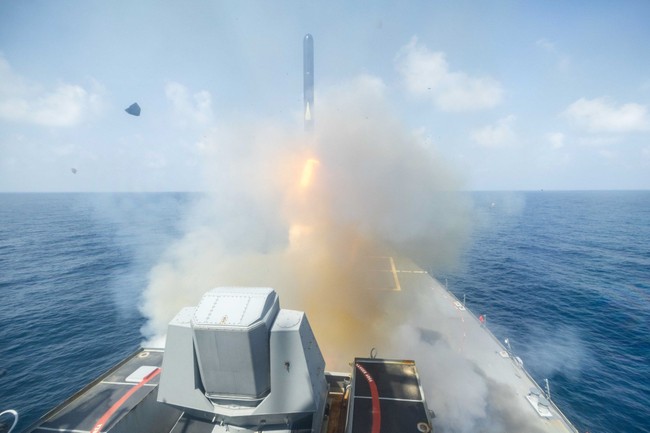
The article looks at jubilant scenes in Los Angeles after U.S. strikes on Iran, the reactions from Iranian-Americans in “Tehrangeles,” the remarks from California Governor Gavin Newsom, and cultural flashpoints involving public figures who opposed the action.
After the 1979 takeover of Iran, millions fled the country and many settled in Los Angeles, creating a large and vibrant Iranian-American community often nicknamed Tehrangeles. Streets in Westwood and nearby neighborhoods filled with people reacting to news of high-profile strikes in an operation called “Epic Fury.” For many in that diaspora, the strikes were more than geopolitics; they touched on family memories of repression and exile.
On Saturday, large groups gathered to express relief and hope after reports that Iran’s leadership suffered critical losses in the operation. The scene mixed emotion, grief, and celebration as people who had long opposed the regime saw what they described as long-overdue consequences for Tehran’s aggression. Those moments were personal for many — not abstract — because they remembered arrests, disappearances, and the crushing of freedoms at home.
One vocal Iranian-American commentator, Dr. Houman Hemmati, recounted his own childhood and the day his country changed dramatically. He described watching events unfold with the perspective of someone whose family was forced to leave and start anew under difficult circumstances. The full thread contains deeper history and family anecdotes that explain why so many in the community reacted so strongly.
A quoted reflection from a participant resonated with many observers: “Today, I am watching smoke rise over the same city — but this time the smoke is not the end of Iran. It is, God willing, the beginning of her resurrection.” That sentiment captures why the strikes were seen as a potential turning point rather than merely another military action. For exiles who hoped for change in Iran, those words felt like a promise bound up with long memory and prayer.
Not everyone shared that view. High-profile activists and celebrities staged counter-protests downtown, arguing that the response risked escalation and civilian harm. Among those critics was actress Jane Fonda, whose past controversies still color public perception of her foreign-policy pronouncements. Her history has made many Americans skeptical when she weighs in on matters of war and national security.
California Governor Gavin Newsom publicly criticized the strikes, calling them “illegal” and “dangerous,” and warning they could put service members at risk. His statement read in part, “But that does not justify the President of the United States engaging in an illegal, dangerous war that will risk the lives of our American service members and our friends without justification to the American people.” Those remarks set up an immediate clash with supporters of strong, decisive action to protect U.S. forces abroad.
From a conservative perspective, protecting American troops and preempting imminent threats are core responsibilities of the presidency, and decisive action in the face of credible intelligence is often necessary. This view sees the strikes as a form of deterrence that tells hostile actors the cost of aggression will be severe. Critics who prioritize process over immediate security sometimes appear more focused on political posturing than on troop safety.
Some progressive elected officials in other cities echoed Newsom’s critique, suggesting the strikes were politically motivated or poorly justified. Those reactions have fueled a broader debate about patriotism, priorities, and how elected leaders weigh national security against domestic politics. For many veterans and military families, the primary concern remains the safety and well-being of service members in harm’s way.
In Los Angeles, the juxtaposition of celebration and protest underscored how deeply divided opinions are, even within communities directly affected by Iran’s regime. For those who escaped repression, the strikes represented accountability; for opponents, they highlighted the risks of escalation. The moment revealed an emotional and political landscape shaped by decades of conflict and by the personal stories of immigrants who finally felt seen.
During Vietnam, in 1972, Jane Fonda was pictured sitting on top of a North Vietnamese antiaircraft gun and her treasonous act earned her the name “Hanoi Jane”.
She later said she regretted the act since it caused her a ton of grief in the United States. So now she is actively spouting off against the attack on Iran. She never learned.