
Hawley Rips Statue-Wrecking Left’s Crocodile Tears Over White House Renovations: ‘Give Me a Break’
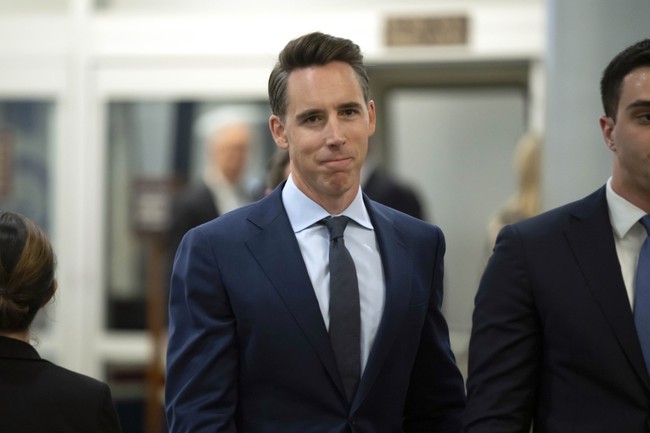
Senator Josh Hawley defended President Trump’s privately funded East Wing renovation and called out what he sees as hypocrisy from the left, pointing to the wave of statue removals and renovations under Democratic leadership as proof that outrage is selective and politically motivated.
Senator Hawley pushed back hard when reporters framed the White House update as an attack on history, arguing the critics are inconsistent and driven by partisan rage. He reminded audiences that those same voices cheered or ignored massive statue removals during the unrest of recent years, making their current concern ring hollow. The senator framed the debate as one about political theater rather than genuine preservation of historical sites. For conservatives, his message landed as a straightforward defense of fair treatment and equal standards.
Hawley pointed to examples of statues taken down or defaced in the period after the 2020 riots, emphasizing that the looks of outrage now feel selective. “I hear all of a sudden from my liberal friends that they’re very concerned about our history. Really? These are the same people who tore down every statue they could get their hands on in the last four years,” he said, naming figures like Christopher Columbus, Thomas Jefferson, Theodore Roosevelt. His point was blunt: if there was no widespread outrage then, this newly discovered concern about preservation smells political.
The senator described the period as a near-industrial campaign against certain parts of American memory, with mobs targeting statues and public monuments. He argued those actions were often justified by emotion and politics, not careful historical judgment. That context, he said, makes the current furor over a renovation that is privately financed look contrived. Conservatives listening heard a reminder that standards should apply equally across administrations.
Hawley mocked the sudden defense of the East Wing facade, calling the objections theater rather than a serious heritage case. “Oh, give me a break. I mean, give me a break!” he scoffed, capturing his impatience with what he describes as performative outrage. He repeated the point in another interview, asking rhetorically, “Now they’re the great defenders of history?” and suggesting the real motive is opposition to Trump, not stewardship of the past. That line cut to the heart of the conservative critique: selective morality packaged as principled concern.
The senator also highlighted that the renovation is funded through private means, which undercuts common taxpayer-spending criticisms. When opponents complain about changes or perceived damage to historic elements, Hawley notes there is no budgetary angle to exploit. That removes a frequent political weapon and leaves critics leaning on aesthetic complaints and moral posturing. From his perspective, it exposes the argument as purely partisan.
Hawley contrasted the reaction to Trump’s project with coverage of past White House renovations under Democratic presidents, arguing the tone shifts with the political party in office. He recalled how prior updates—some involving substantial structural work and costly upgrades—received far less outrage when Democrats oversaw them. To his critics, that comparison shows media and elite hypocrisy: similar actions draw very different responses depending on who signs the checks and who occupies the office.
He pointed to past administrations that made significant interior changes and improvements, noting practical needs like HVAC work, electrical upgrades, safety improvements, and subterranean expansions. Those were framed as necessary modernization, not assaults on heritage. Hawley’s point is strategic: conservatives should insist on consistent standards and resist selective indignation used as a political weapon. He urged readers and viewers to judge actions by facts and precedent rather than partisan instincts.
The senator also brought up policy moves aimed at restoring removed monuments, citing an executive action intended to review and potentially restore public monuments and memorials that were taken down in recent years. He presented that executive step as a corrective response to what he portrays as a wave of removals driven by ideology. For conservative audiences, such moves signal a willingness to protect a fuller account of history against politically motivated erasure.
An editorial note in the original coverage framed the story within the current budget standoff, blaming congressional Democrats for a shutdown and suggesting misplaced priorities. That opinion emphasized frustration that political theater overshadows practical governance and national priorities. The core conservative refrain here is clear: focus on real problems and apply consistent standards to historical preservation and public projects.
Ultimately, Hawley’s stance was plain and unapologetic: call out selective outrage, defend fair treatment of presidential initiatives, and recognize when critiques are driven more by partisan dislike than by genuine concern for history. His comments are aimed at forcing a baseline of consistency and pushing back against what he sees as performative media and political pressure.


Add comment