
The article reports the kidnapping of a Christian missionary pilot in Niamey, Niger, outlines the role of SIM aviation in the region, and links the abduction to the broader rise of Islamist violence across West Africa. It examines the timing and location of the attack near Diori Hamani International Airport and the presidential palace, notes the 2023 military takeover that unseated President Mohamed Bazoum, and criticizes Western political responses that emphasize “Islamophobia” over confronting Islamist violence. The piece calls for prayer and attention to kidnapped aid workers while warning that international focus on other conflicts can embolden extremists in Africa.
A missionary bush pilot affiliated with SIM has been kidnapped in Niamey, Niger, according to multiple reports. SIM, with more than a century of history and a long-standing aviation division, operates small aircraft out of Diori Hamani International Airport to ferry medical personnel and supplies to remote clinics. The pilot was seized by suspected Islamist militants while en route to the airport, a striking act given the man’s humanitarian work and American citizenship. Kidnappings like this underline how aid operations have become targets in regions where extremist forces are expanding.
The abduction reportedly occurred near the presidential palace, a detail that suggests the attackers intended to send a political message to the current rulers. Niger’s military seized control in 2023 after accusing elected President Mohamed Bazoum of failing to stop growing insecurity, and that fragile order can be exploited by violent groups. Over the last decade, terror networks have spilled across borders from Mali and Nigeria into Niger and neighboring states, pressuring local governments and stretching security forces thin. This regional spread has made even routine humanitarian flights and convoys risky.
SIM’s aviation crews have long risked danger to deliver medical care to underserved communities, and many of the pilots and staff have served for generations. These teams often include Americans who choose to work in austere conditions to bring doctors and nurses to places without reliable roads or clinics. That dedication makes attacks on aid workers especially cruel, because the victims are people who serve others rather than pursue political aims. Targeting such missions corrodes the last veins of stability and assistance in vulnerable areas.
There is a moral and strategic gap in how Western leaders discuss threats from Islamist groups versus other international flashpoints. While Western politicians loudly warn about and condemn “Islamophobia” as a social and political problem at home, they frequently fail to confront the organized violence committed by Islamist extremists abroad. That mismatch of priorities risks leaving allies and civilians exposed in places like West Africa, where Christians and moderate communities face mounting persecution. The political instinct to avoid offending domestic constituencies can translate into willful silence about the ideological roots driving violence overseas.
UK leaders, among others, have moved to recognize a Palestinian state in ways some Republicans see as rewarding militant behavior tied to the October 7th attacks, a stance critics argue sends the wrong signal. Political leaders in Europe and the United States often appear hesitant to name the threat they face, and that hesitation can be interpreted by extremists as weakness. When governments prioritize political optics over clear denunciation of violent Islamist movements, they risk emboldening groups that operate from West Africa to the Middle East. The result is a geopolitical environment where terrorists grow bolder and humanitarian workers pay the price.
The situation on the ground is dire: a wave of Christian-targeted violence and mass displacement is underway in parts of West Africa, especially in Nigeria and neighboring countries. Militants use kidnapping, village raids, and massacres to exert control and terrorize populations, and those tactics increasingly cross national borders. Local security forces and international partners struggle to keep up as extremist groups adapt and expand their operations. Continued international inattention only makes these groups more audacious and lethal.
For those who follow these events from a Republican perspective, the response should be straightforward: call out the ideology and organizations responsible, back stronger measures to protect aid workers, and support the governments and forces that fight these groups. Vague diplomatic language and an overemphasis on domestic cultural narratives like “Islamophobia” do not stop kidnappings or protect vulnerable communities. Concrete policies and clear moral clarity will better shield both local populations and the Americans who serve them abroad.
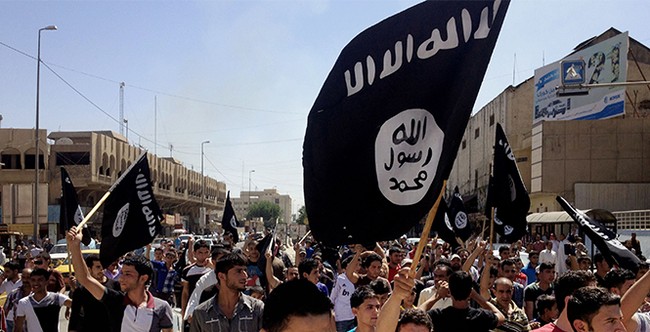
Pray for the kidnapped pilot and for other hostages taken in recent months, and press leaders to prioritize the protection of humanitarian missions. As attention focuses on other conflicts, groups such as ISIS and aligned militants are expanding in places like West Africa, and they will not pause because the world is distracted. The safety of aid workers, and the stability of nations like Niger, depends on urgent, candid action and a readiness to confront violent ideologies directly.



Add comment