
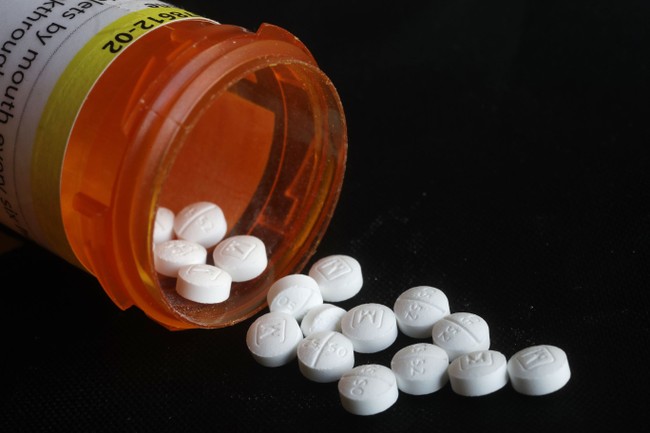
This article explains 340B: what the program does, how drugmakers respond, why critics confuse rebate rules with program rules, and why efforts to weaken 340B benefit pharmaceutical companies more than patients. It walks through the history, the pricing mechanics, the “duplicate discount” confusion, transparency concerns, and the consequences of changing the model from upfront discounts to back-end rebates.
For more than thirty years, 340B has provided discounted medicines to hospitals and clinics that treat low-income and rural patients. The program grew from a bipartisan tradeoff: drugmakers won access to major government-funded markets and, in return, agreed to sell some medicines at steep discounts to safety-net providers. That arrangement has allowed many community providers to stretch scarce resources and keep services open for vulnerable patients.
Critics now single out 340B as if it alone drives rising health costs for small businesses and insured patients. That claim sounds simple and appealing, but it ignores who actually sets rebate and discount policies: drug manufacturers. Federal law requires manufacturers to offer 340B discounts to eligible providers, but it does not require commercial rebates to employers, insurers, or pharmacy benefit managers. Those commercial rebates are a private business choice.
Manufacturers decide whether to give additional rebates beyond 340B discounts, and many choose to limit them because extra discounts cut into profits. If insured or self-insured patients lose access to a particular rebate, that is a corporate decision, not a statutory consequence of the 340B program. Blaming the program for a company decision is bad logic and a convenient smokescreen for firms that want to protect their margins.
The Congressional Budget Office has noted how pricing rules interact with rebates, writing that “The best price component…discourages manufacturers from agreeing to pay higher rebates to commercial payers by making it more costly for manufacturers to increase the largest rebate to those payers.” That means 340B can actually reduce manufacturers’ incentive to steer higher rebates to commercial buyers, because shifts in pricing affect their overall calculations.
Covered entities under 340B typically obtain drugs at roughly 20 percent to 50 percent off market price, allowing them to serve uninsured and low-income patients. Those steep discounts are precisely what some industry critics do not want extended more broadly. When drug companies complain about affordability, remember they have already negotiated a legal carve-out that guarantees them much of the market while limiting how far discounts must go for safety-net care.
Part of the debate turns on the phrase “duplicate discount,” which industry players use to confuse audiences. Medicaid duplicate discounts are prohibited: a drug sold at a 340B discount cannot also trigger a separate Medicaid rebate for the same claim. That rule prevents double payments where a public payer already benefits from the program discount. But calling commercial rebates “duplicate” is misleading because those rebates are voluntary, not mandated by statute.
Commercial rebates are a strategic tool manufacturers use to place drugs on formularies or to reward payers and managers, and companies choose which customers receive those incentives. When manufacturers exclude prescriptions filled through 340B entities from certain coupons or back-end rebates, that is a decision by the manufacturer, not a requirement of the 340B structure. The choice often reflects a profit-first business model rather than an obligation imposed by the law governing 340B.
Transparency is another sore point in the debate, and the balance of oversight skews toward covered entities. Hospitals and clinics must recertify annually and are subject to audits, with 200 entities audited each year to confirm eligibility and compliance. By contrast, audits of drug manufacturers happen far less frequently, meaning public scrutiny of manufacturer behavior is uneven even though their pricing choices drive much of the contentious rhetoric.
Some drugmakers have refused to supply certain pharmacies or moved to rebate-after-purchase models that would force providers to float money while waiting for payment. A shift from an upfront discount to a back-end rebate would change cash flow dynamics and put smaller providers at financial risk. That push would serve manufacturer interests by smoothing their accounting while leaving providers vulnerable to delays and denied eligibility when rebates are contested.
Undermining 340B would not erase affordability problems, it would shift costs and risks back onto the most fragile providers and the communities they serve. If hospitals and clinics in the program lost reliable discounts, many would have to cut services or seek taxpayer bailouts to stay afloat. Policymakers pushing narrow regulatory changes should be honest about who stands to gain: changes that favor the pharma sector will not automatically lower costs for ordinary Americans.
When the issue is whether patients receive coupons or rebates, point the finger where it belongs: at the companies designing those restrictions. The program’s rules are clear about required discounts, and the inflated talk of “duplicate discounts” often serves as an industry talking point rather than a precise legal critique. Americans who care about patients and efficient care should look past the marketing and focus on the real incentives shaping drug pricing decisions.



Add comment