
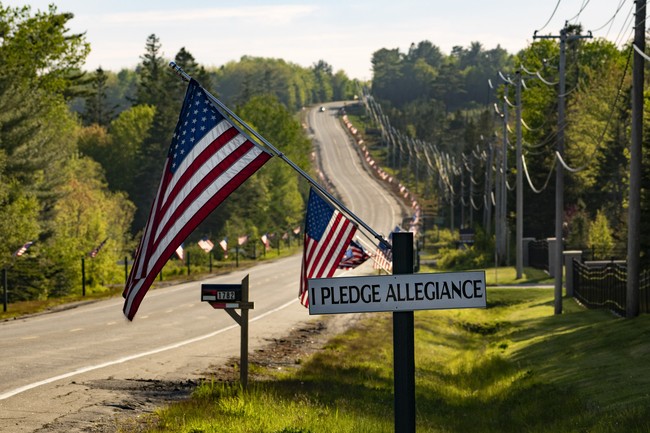
I’ll show how Europeans touring the U.S. are rediscovering the country, contrast that with media complaints about immigration and the World Cup, highlight on-the-road moments from a German fan named Freddy, and urge Americans to get out and see the real America.
NPR’s criticism of how immigration policy affects the 2026 FIFA World Cup has become a talking point, and some reporters are framing the tournament as a story about exclusion. That angle overlooks the genuine enthusiasm foreign visitors are showing when they travel across America and meet everyday people in towns beyond the coastlines. These travelers are offering a reminder that the country still impresses outsiders who take the time to explore it on the ground.
President Trump’s restrictive immigration policies are already impacting this year’s 2026 FIFA World Cup.
At least one referee from Somalia and one Iraqi team staff member were denied entry at U.S. airports in recent days, and dozens of fans from countries such as Morocco have been denied travel visas, despite being ticket holders.
Tickets for the opening match of the United States at the World Cup have still not sold out. The game will take place on Friday at SoFi Stadium in Inglewood, Ca., which will be renamed Los Angeles Stadium for the tournament.
With just days left, the U.S. opening match at the World Cup is still not sold out
“I view the 2026 World Cup as a massive paradox,” said Jules Boykoff, a professor and the author of Red Card: The 2026 World Cup, Sportswashing and the FIFA Greed Machine. “On one hand, it has more teams than ever participating. On the other hand, because of the policies of the Trump administration, it looks more like a World Cup of exclusion than inclusion.”
Ignore the doom-and-gloom spin for a moment and look at what travelers are actually doing: they are driving state to state, sampling local food, and finding warmth and curiosity from people they meet. A German fan named Freddy and others from Sweden and Britain have gone beyond big cities and discovered regional quirks that make America memorable. Those experiences are the kind of grassroots tourism that changes impressions far faster than any punditry.
I remember road trips where we took our time from California to Alabama and let the country reveal itself slowly. Sharing photos and conversations during that trip encouraged others to see America differently, and that’s exactly what these young visitors are doing now. The charm is in the ordinary moments—diner counters, small-town parades, and the sincere hospitality that comes from meeting locals outside curated urban bubbles.
One republished column captures this joy and frames it as a welcome antidote to constant criticism; seeing visitors appreciate the U.S. can help Americans remember why they value their country. There’s a patriotism that surfaces when people celebrate liberty and community, and it’s most vivid in casual encounters on a road trip. These visitors notice what many of us take for granted, and their enthusiasm is contagious.
Let’s face it, it’s a beautiful thing to watch visitors from other countries discover and actually appreciate our country and all it has to offer. We’ve endured too many years of hearing leftists trash the U.S. – and watching too many of them physically try to burn it to the ground – that watching a visitor experiencing its many charms is a welcome change.
Much like parents rediscovering the joys of Christmas when they see it through their childrens’ eyes and appreciate once again the magic that may have faded away over the years, we Americans clearly love seeing others appreciate what we love about our country. Yes, an abundance of food and entertainment choices, but also a patriotism that’s always on display, but especially so right now as we prepare to celebrate our 250th birthday.
Freddy’s itinerary included classic stops like Buc-ees, where brisket and beaver nuggets are practically a religion for road-trippers, and college stadiums where local traditions run deep. His footage shows that fireworks, marching bands, and loud, genuine crowd cheers can astonish someone who expected only sterile stadium experiences. Those reactions underline how much life and color exist away from the cultural centers that dominate headlines.
Small pleasures like a late-night barbecue or a stadium chant can leave a bigger impression than any lecture about societal flaws. When travelers see communities gathering around shared rituals, they’re witnessing a living, breathing national identity. That matters more than opinion pieces that reduce the country to a single, negative storyline.
At Jordan-Hare Stadium in Auburn, Freddy’s excitement over local traditions was obvious, and his joy reflects a truth many critics ignore: people across the country welcome visitors who respect local customs. His reaction to the school chant was authentic, and it reveals how accessible American culture is when you’re open to experiencing it. Those moments are the real travel stories worth telling.
https://x.com/FreddyLA7/status/2064587316077744334
Some polls claim Americans are lukewarm about the 250th anniversary, but the energy on the road suggests a different picture among those who choose to engage with their country. Road travel reconnects people with community, faith, and everyday freedom rather than curated media narratives. Getting in your car and exploring is a simple way to rediscover optimism and pride in the nation’s fabric.
So if you want to see what unites Americans, step away from the echo chambers and go where people work, worship, and celebrate together. Those unfiltered encounters show that the country is still full of warmth and decency, even amid political debates and policy disagreements. That firsthand experience is what can rebuild appreciation and common ground.
Freddy’s trip also caught the attention of public figures who encouraged his road-based approach to loving America. When outsiders find joy in our towns and traditions, it reminds citizens that the nation’s best face is often visible on main streets and at local events. The simple act of traveling and listening can teach more than hours of commentary ever will.
Bring curiosity with you when you travel and expect to be surprised. The country rewards those who look beyond headlines and engage with real people in the places they call home. That kind of exploration is a practical lesson for anyone who wants to understand what America is like in 2026.



Add comment