
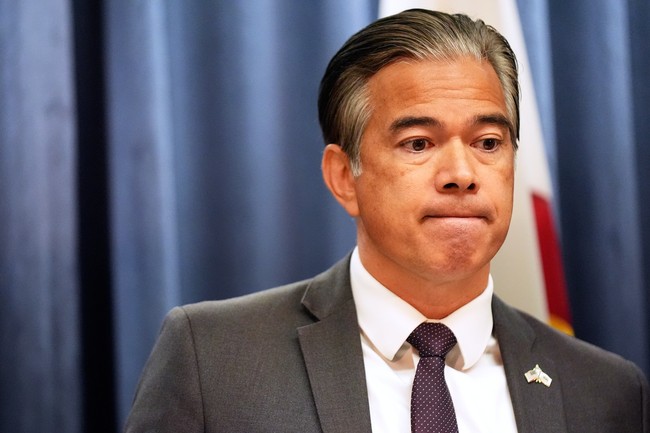
The Department of Justice’s Antitrust Division has cleared the proposed Paramount Skydance purchase of Warner Bros. Discovery, but California Attorney General Rob Bonta is still pushing back, keeping the deal in legal and political limbo.
The DOJ announced after an eight-month review that it sees no likely harm to competition from the merger and even suggested the combined company could strengthen competition in streaming, television and film. The department said investigators reviewed more than 2 million documents, conducted hours of depositions and coordinated with state attorneys general before reaching that conclusion. Paramount Skydance hailed the decision as a path to a stronger competitor against tech platforms and signaled it wants to complete the acquisition quickly.
The decision, announced Friday, paves the way for Paramount to combine with the entertainment and media company behind a vast film and television studio, CNN, and the HBO Max streaming service, which would be combined with Paramount+ to create a new offering boasting about 200 million subscribers. The deal, which would upend the Hollywood ecosystem by combining two historic rival studios, is opposed by many in the entertainment industry who fear it could lead to mass layoffs, among other concerns.
…
In a statement, the Antitrust Division said its eight-month review “determined based on the evidence received in its investigation that the transaction is not likely to result in harm to competition or American consumers…” and could ultimately increase it by creating a stronger competitor across streaming, television and film. The department said investigators reviewed more than 2 million documents, conducted hours of depositions and worked alongside state attorneys general before reaching their decision.
A Paramount spokesperson praised the decision in a statement, saying the merger would create “a stronger company better positioned to compete against dominant technology platforms in an industry increasingly defined by intense competition for audiences, talent, technology, and investment.” The company said it is now focused on completing the deal as soon as possible.
This deal has been a roller coaster: Netflix briefly entered a bidding sprint before bowing out, and corporate financiers and analysts have been re-evaluating Paramount’s balance sheet and credit ratings. The last few quarters showed how high the stakes are when massive libraries and brand power are on the table, and the scale of this proposed transaction—roughly $110 billion—means regulators will keep watching every move. The size of the prize also explains why state attorneys general want to have their say even after the DOJ review wrapped up.
The stakes are high as WB is a highly coveted asset with its famed studio and its massive library of streaming content.
Netflix, which appeared to be poised to win the bidding war in late 2025, is taking a giant step back. The potential purchase price was just getting to be too darn big, they said.
Paramount Skydance has tried to smooth relations with state regulators by proposing concessions intended to ease antitrust concerns. Among the options discussed, company representatives reportedly floated divesting certain assets to reduce overlap and mollify state-level objections. Those efforts show the buyer knows the political and legal terrain matters as much as the federal review, and they underline the fact that business deals of this size are political theater as much as corporate strategy.
Paramount Skydance Corp. (PSKY) has submitted suggested terms aimed at resolving an antitrust investigation by California and other states into its $110-billion plan to acquire Warner Bros. Discovery Inc. (WBD).
…
Paramount Skydance has privately communicated with the office of California Attorney General Rob Bonta, indicating it is willing to address state concerns and has put forward a list of concessions as part of ongoing discussions, reported Bloomberg, citing people familiar with the matter.
Paramount publicly framed its outreach to state officials as constructive and focused on legitimate antitrust questions. “We continue to engage constructively with regulators, including state attorneys general, and are always prepared to address legitimate, clearly articulated antitrust concerns.” That wording signals a willingness to negotiate remedies, but it doesn’t guarantee agreement with every state AG. Companies can promise concessions and still face lawsuits if a state thinks the fixes are insufficient.
“We continue to engage constructively with regulators, including state attorneys general, and are always prepared to address legitimate, clearly articulated antitrust concerns.”
California’s AG office has not backed down. Rob Bonta publicly signaled skepticism in February and has since kept pressure on the deal, raising the possibility of separate litigation at the state level even after the DOJ’s sign-off. That tension highlights the messy reality of modern antitrust enforcement: federal approval can clear one hurdle, but state-level suits can still complicate or block major transactions. Political actors in blue states often use every available tool to influence outcomes they see as affecting jobs, local economies, or industry structure.
Observers should expect legal skirmishing to continue. Paramount may offer asset sales or behavioral promises to pacify holdout states, while state attorneys general weigh whether those measures truly prevent consumer harm. Meanwhile, shareholders and employees will be watching headlines, boardrooms, and court dockets, because the next moves will determine whether a combined Paramount-Warner becomes reality or remains a stalled headline for months to come.
For now, the DOJ has cleared a major regulatory gate, but the fight over this one transaction is not over. The interplay between federal decisions, state enforcement, and political motives means big mergers in media will keep landing in courtrooms and headlines for the foreseeable future.
https://x.com/AGRobBonta/status/2065577659149758861?ref_src=twsrc%5Etfw


Add comment