
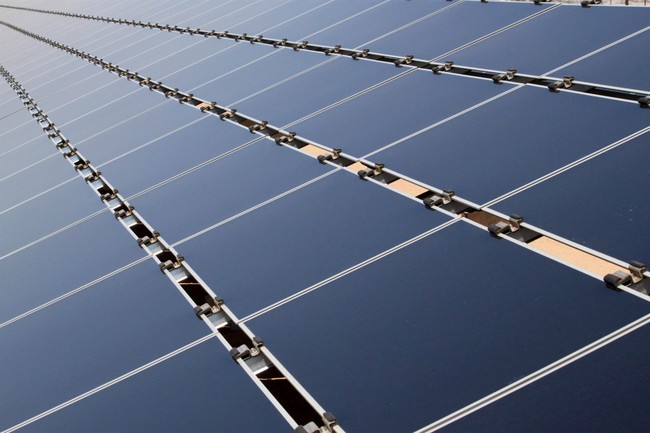
Federal tax credits for new solar and wind projects expire on July 4, ending a long-running era of major subsidies for those industries and marking a policy shift that supporters say will stop rewarding intermittent, land- and material-intensive energy with taxpayer dollars.
On July 4 the federal tax credit window for new solar and wind projects closes, a move that follows years of growing criticism about the cost and effectiveness of those subsidies. The government has funneled roughly $141 billion into wind and solar since 2010, and that sum has prompted hard questions about taxpayer value and energy reliability. Policymakers and taxpayers alike are now watching how markets respond when those credits are no longer automatic for fresh projects.
The policy change is the direct result of tax legislation passed last year that set a deadline for tax credit eligibility for projects not already under construction. That deadline was firm: after it passed, new projects lose access to the federal credits those industries leaned on for expansion. That shift forces a reckoning about whether cheap financing and guaranteed credits should steer national energy investment.
The Trump administration is set to cut subsidies for new solar and wind power projects on Saturday. Estimates suggest the subsidies have cost taxpayers more than $141 billion over the past 16 years, more than any other energy source.
The Working Families Tax Cuts, a signature piece of President Trump’s tax legislation signed a year ago, set Saturday as the deadline for federal tax credit subsidies on any new solar or wind projects not currently under construction.
U.S. Department of Energy Secretary Chris Wright touted the subsidy deadline and criticized solar and wind energy projects in a posted to social media Thursday.
https://x.com/SecretaryWright/status/2072743412080504921
“The wind doesn’t always blow, and the sun doesn’t always shine,” Wright said. “They drive up the system costs and increase Americans’ electricity prices.”
Those criticisms hit on practical realities: wind and solar are intermittent sources that demand backup, storage, or overbuilding to meet demand reliably. That intermittency translates into higher system costs when grids must be designed to handle variability, and those costs often fall onto consumers and taxpayers. Pushing a national energy mix toward lower-density sources without accounting for their systemic impacts is a policy gamble taxpayers should not be forced to underwrite.
There are also supply-chain and land-use angles that matter. Wind and solar developments rely on significant amounts of materials, many sourced from abroad, and some of those supply chains remain concentrated in geopolitical competitors. Building large utility-scale installations takes lots of acreage, which means land that could otherwise support agriculture, wildlife, or mixed local uses is dedicated to rows of panels or widely spaced towers.
Solar arrays are especially land-hungry and vulnerable. A hailstorm, heavy snow, or even deliberate vandalism can damage extensive panels in ways that are expensive to replace. Wind turbines, while less land-intensive overall, create visual and environmental impacts and require transmission investments to move variable power from remote sites to urban demand centers. All of this increases the hidden bill for consumers beyond the sticker price of construction.
That hidden bill shows up in market disruptions, too. Subsidized output can drive wholesale prices to strange places, including brief negative-price events when generation is high and demand is low. Those distortions complicate investment signals for reliable baseload assets and can force inefficient use of existing power plants. The result is a less resilient grid and higher long-term costs masked by short-term subsidies.
Ending the federal tax credit for new projects does not outlaw wind or solar; it simply removes guaranteed taxpayer support for large-scale deployments. Homeowners and private consumers who want rooftop solar or small wind installations can still make those choices without federal subsidies skewing the market. That is the right approach: let consumer choice and private investment, not taxpayer-funded incentives, determine where these technologies make sense.
The passage of this deadline also offers an opportunity for conservative messaging on energy: push for choice, accountability, and reliable power rather than centralized subsidies. Voters across the map favor affordable, stable electricity, and a policy that reduces taxpayer exposure while leaving options open for individuals to adopt technologies that work for them will resonate with both rural and urban voters.
Markets will now adjust to a landscape where developers must compete without the cushion of federal tax credits for fresh projects. Some firms will scale back or delay builds, others will innovate on storage and grid balancing, and a few will find cost structures that make sense without government backstops. Either way, taxpayers should welcome a move away from indefinite subsidies toward clearer price signals and real-world economics.


Add comment