
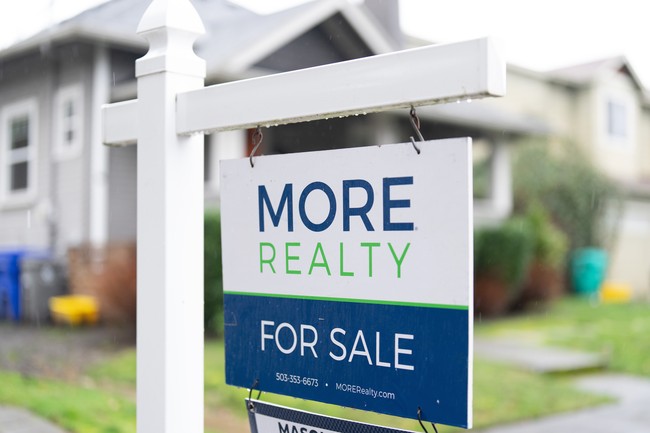
The housing market shows a classic disconnect: plenty of homes for sale, but far fewer buyers able or willing to close deals. Inventory has swelled while buyer participation has slid, creating regional imbalances and pressure on prices and builders. Mortgage rates near 6.7 percent and higher costs push many would-be buyers to sit tight, while sellers with new construction or pandemic-era spec inventory face a harder road to sale. The result is a frozen market where leverage has shifted to buyers who can still move, but most buyers have been priced out.
Redfin reported just 966,752 active homebuyers nationwide in July, the lowest on record, while sellers numbered roughly 1,462,921. That left nearly half a million more sellers than buyers and drove the seller surplus to 51.3 percent. Markets where sellers outnumber buyers by more than 10 percent are labeled buyer’s markets, and 39 of 49 major metros now meet that definition. On paper, a buyer’s market should mean better deals, but the reality is more complicated because affordability is the gatekeeper to closing.
With sellers holding steady and buyers dropping out, both sides are stuck. Sales negotiations slow because motivated buyers who remain have options and can demand concessions, while a large pool of potential buyers have been sidelined by monthly costs. The surplus is perilously close to December’s record and could eclipse it as the fall season begins, undermining the usual seasonal rebound that helps move inventory. That helps explain why many suburban and Sun Belt markets suddenly feel oversupplied.
Asad Khan, Redfin’s senior economist, put it plainly: “Buyers are dropping out faster than sellers.” That quote captures the dynamic: inventory additions from builders and investors keep arriving even as buyer capacity contracts. In cities that boomed during the pandemic, the flood of construction and investor purchases is now translating into a wave of sellers in a market that no longer matches that demand. Where buyers can choose, sellers find themselves negotiating more often than they did during the pandemic scramble.
Some metros show extreme imbalances. Miami led with 154 percent more sellers than buyers, followed by Nashville at 150.8 percent and Houston at 129.8 percent. San Antonio and Austin also recorded triple-digit seller surpluses, and Washington, D.C., had 30.3 percent more sellers. In places like Nashville, agents report buyers taking their time and extracting better deals as sellers become willing to negotiate to move inventory. The trend is especially visible in Texas metros that continued to add new homes even as demand cooled.
The average 30-year fixed mortgage rate sat around 6.67 percent in mid-August, slightly down from a week earlier but higher than a year ago. A newly built house still sold for an average of $502,700 in the second quarter, down from the record $541,300 late last year. Even at the lower price, a mortgage rate pushing seven percent translates to substantial monthly payments that deter many households. For average buyers, taxes, insurance, and HOA fees make the total monthly obligation even more daunting.
Khan also warned that uncertainty about future Federal Reserve moves makes buyers cautious about locking into big commitments. He noted, “Buyers have leverage, while motivated sellers may be willing to negotiate before the early-fall rush brings some buyers back to the market.” That puts negotiating power in the hands of the few active buyers, but it does nothing for the many who can’t afford to re-enter. Until borrowing costs come down materially or incomes rise, a large swath of demand will remain sidelined.
Regional differences matter. Miami faces the added punches of rising insurance costs and higher homeowners association fees that lift total ownership expenses beyond just mortgage payments. Cities that added inventory aggressively during the boom are now contending with that supply hitting the market while buyer interest is soft. Fort Worth, for example, saw seller surpluses jump from 67 percent to 86 percent in a month, underscoring how quickly local balance can shift.
Only a handful of markets still favor sellers, including Nassau County, New York, and Newark and New Brunswick in New Jersey. Those tight pockets showed modest price growth, about 4.2 percent year over year, compared with the 2.3 percent average rise across the 39 buyer-favored metros. But those exceptions are shrinking as national affordability trends and higher financing costs continue to restrain mobility, spending on home goods, and labor movement linked to housing choices.
This frozen market has broader economic effects: workers delay relocations, spending on furniture and services falls, and builders keep adding inventory into a scenario where demand is weakening. There are bargains for buyers who can close, yet getting to the closing table remains the sticking point for most. Meanwhile, sensible economic stewardship that restores growth and eases borrowing costs could help unlock more transactions and bring balance back to local markets.

Home-based job that pays more than 12,000 Dollar per month by doing simple tasks on a laptop or mobile device part-time. Last month, I earned 24,863 Dollar from this job by working 4 hours per day online. Very simple jobs to do, and the earnings are insane. Everyone can now make more money online by joining the website listed below…..
𝒋𝒖𝒔𝒕 𝒖𝒔𝒊𝒏𝒈 𝒕𝒉𝒊𝒔 𝒔𝒊𝒕𝒆.. Www.PayAtHome1.Com
Hey very nice website!! Man .. Beautiful .. Amazing .. I will bookmark your website and take the feeds also…I’m happy to find a lot of useful info here in the post, we need develop more strategies in this regard, thanks for sharing. . . . . .