
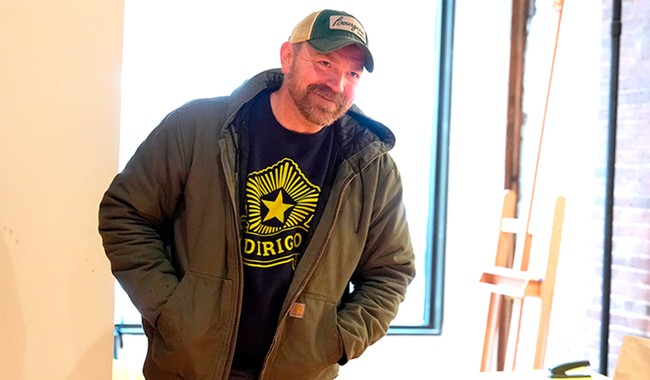
The Maine Senate contest has exploded into a CYA moment for national Democrats after Graham Platner, the Bernie-backed primary favorite, emerged as the presumptive nominee amid revelations about a Nazi-themed tattoo, resurfaced offensive online posts, and warnings from GOP operatives that far worse opposition research remains unreleased. Governor Janet Mills abruptly suspended her campaign, offering no endorsement and citing finances while praising Mainers with the line “unending love, admiration, and hope for Maine people — a people whose hearts are filled with love and whose integrity and humility is surpassed only by their kindness, generosity, and compassion.” Republicans now say the opposition material on Platner could force him out of the state, and party strategists are preparing a broad general election assault centered on character and judgment.
Platner climbed to the front of the Democratic primary with heavy backing from national figures and committees, yet his rise has been shadowed by serious controversies. Polling showed him leading by double digits, even after reports highlighted both the tattoo and a trove of offensive Reddit comments that resurfaced during the race. The contrast between his early popularity among left-leaning activists and the backlash to those revelations has put Democrats in an awkward spot as the general election approaches.
Janet Mills’ announcement that she lacked the finances to continue avoided an explicit endorsement of Platner and instead offered a florid tribute to Mainers that many will find hard to reconcile with the reports about the nominee’s behavior. That statement left space for Republicans to frame the situation as evidence of Democratic desperation, suggesting party leaders prioritized raw electoral math over basic questions about judgment and suitability. In that vacuum, independent voters will be weighing whether national party support is worth overlooking troubling signs about a candidate.
Republican operatives have been explicit about their next steps. Former NRSC officials and other GOP sources have hinted that the opposition research already released by Democrats barely scratches the surface of what is available to conservatives. One account relayed on a political program captured the stark warning that the GOP has more damaging material in reserve, material the NRSC believes will not only cost Platner an election but could force him to relocate.
Mark Halperin said Friday on 2WAY’s “The Morning Meeting” that an NRSC source tells him the opposition research they have yet to release on presumed Maine Democratic Senate nominee Graham Platner is so damaging that he won’t just lose the election, “he’ll have to leave the state.”
Platner is the presumed winner of the Democratic primary despite reports that he had a tattoo with Nazi iconography and a history of online comments that could offend almost anyone.“The NRSC says they’re going to go so negative on Platner,” Halperin said. “I saw one of the spokespeople say he’ll have to leave the state. He won’t just lose the race, he’ll have to leave Maine.”
The tattoo has become the central visual in the controversy, and Platner’s shifting explanations have done little to tamp down criticism. He first claimed he was unaware of its Nazi symbolism, later covered it, and opponents have seized on his statements to question his awareness and judgment. Media reporting has also noted that Platner acknowledged the design’s connection to Nazi imagery as early as 2019, complicating any narrative that the symbol was included in ignorance.
Beyond the ink, resurfaced Reddit posts and other online comments paint a picture of someone who made deeply offensive remarks that alienated many observers. Those posts prompted personnel consequences inside his campaign, including resignations, and raised broader concerns about temperament and fitness for high office. Supporters have tried to frame these as youthful mistakes or misinterpreted context, but critics see a pattern that is hard to dismiss.
Former campaign staff and acquaintances have added to the scrutiny. Genevieve McDonald, a former political director who left after the Reddit revelations, said bluntly that Platner “has an anti-Semitic tattoo on his chest” and argued he should have covered it long ago. Her statement implies a level of awareness and intent that undermines claims of innocent ignorance and gives Republicans more to work with after the primary.
“Graham has an anti-Semitic tattoo on his chest. He’s not an idiot, he’s a military history buff. Maybe he didn’t know it when he got it, but he got it years ago and he should have had it covered up because he knows damn well what it means.”
For national Democrats, the calculus is ugly: rally behind a nominee with clear baggage in hopes of flipping a seat, or pull back and risk conceding momentum to Republicans. High-profile Democrats campaigning with Platner has already drawn criticism from rival corners, and GOP messaging is primed to frame any embrace as proof of a party that tolerates extremism for power. That argument will be tested with independent and moderate voters in Maine and could reverberate across swing states this cycle.
The NRSC and allies are likely to focus on a narrow, relentless campaign theme: poor judgment and dangerous associations. Republicans plan to use the tattoo, the online comments, and the apparent contradictions in Platner’s explanations to paint a portrait of a nominee who does not reflect Maine values. If the GOP succeeds, this race will be memory of how national party machinery exploited character questions to sway close contests.
What happens next will matter beyond a single Senate contest. The handling of Platner’s controversies is shaping a broader narrative about how parties prioritize electability versus basic standards of conduct. Voters will decide whether national endorsements outweigh personal conduct, and Republicans are positioning themselves to make that choice the central issue when ballots arrive.



Add comment