
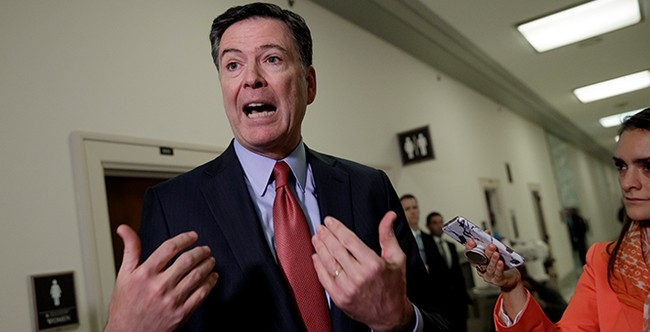
I’ll explain why James Comey’s “86 47” prosecution looks small but strategically potent, outline the evidence the government has turned up, note how old FBI actions tie into this moment, and consider how a plea or cooperation could reshape ongoing probes and deliver a form of poetic justice.
Despite assurances that a grand jury indicted James Comey, the charges he faces feel minor on their surface. He’s accused of making a threat against President Donald Trump and of an interstate or foreign commerce violation tied to a May 2025 Instagram post of seashells arranged as “86 47,” a phrase associated with political violence. At first glance it reads as lawfare of the lowest order, the sort of prosecutorial window dressing critics say is meant to embarrass more than punish.
Yet procedural simplicity can hide strategic force. Comey already saw a larger classified-leaks case dismissed on a technicality by a Clinton-appointed judge, so prosecutors shifted focus to a narrower, more winnable matter. Court records show that, just before Comey posted the photo, his wife Patrice sent him proposing a benign reading of “86,” and prosecutors will doubtless contrast that with Comey’s own later admissions about the post.
Evidence surfaced suggesting other relatives understood the post to be menacing, including a recently revealed text that leans toward a violent interpretation. That message appears in the discovery and could be used to argue premeditation, turning what was meant to be plausible deniability into proof of intent. The picture itself, the missing original with metadata, and the chain of communications are all pieces that prosecutors can weave together.
Investigators issued subpoenas and seized material after the Comeys declined to produce the original “86 47” photo with metadata, which led to additional text messages and records entering the case. Those texts and phone records raise obvious questions about what else the FBI may have pulled from Comey’s devices. Given Comey’s long involvement in Russia-gate and related operations, some of what investigators recovered could overlap with other probes.
Reporters have noted connections between Comey’s past conduct and the current proceedings, and discovery has provided fresh material for those narratives. The government will likely emphasize Comey’s public comments, his recently published novel “FDR Drive,” and other statements that, in prosecutors’ view, normalize or glorify political violence. Those threads give the case texture beyond a lone Instagram post.
https://x.com/prayingmedic/status/2049328518664962522
The seashell affair is almost cinematic, which makes it fitting for Comey, who has always had a flair for drama. Conservative observers point out odd cast members in the story: a former mob boss, a cooperating relative, and indications that the shell formation might have been staged rather than stumbled upon during a beach walk. Those details make the prosecution more than a one-note embarrassment; they create a narrative prosecutors can present to a jury.
There’s also irony here: Comey helped pioneer tactics that used narrow charges to squeeze cooperation and pressure targets, a playbook later used against Trump allies during the Mueller era. That history gives the current case a poetic ring — the man who once ran wide-reaching operations now finds himself subject to similar investigative pressure. For many conservatives, that symmetry feels like overdue accountability.
Should Comey decide to cooperate or strike a plea deal, his insider knowledge could become valuable to ongoing conspiracy probes. Prosecutors working parallel inquiries into alleged schemes around 2016 and beyond might see him as a key source, and his potential cooperation could broaden investigations that aim to link top Obama-era officials to political operations targeting Trump. The strategic leverage of a small case has precedent.
Meanwhile, the decision to subpoena Comey’s phone records serves as a bookend to previous expansive investigations by special prosecutors who cast wide nets and snagged multiple figures. Those past fishing expeditions ensnared congressional Republicans and others, and the memory of those tactics informs how observers interpret the current inquiry. The legal choreography here is familiar: narrow charges, intensive discovery, and the prospect of cooperation.
Comey’s reluctance to set foot in North Carolina’s federal prison system has also been noted as a possible motive for accepting a deal. If he wanted to avoid certain facilities, that practical concern could align his interests with prosecutors’ incentives to secure cooperation. Either way, the unfolding case puts Comey through a process he once helped normalize, and that fact will be pointed to as a form of accountability by critics.
Evidence now on the record — the missing original photo, exchanged texts, and other communications — will determine whether jurors see a harmless eccentricity or a deliberate threat. As discovery proceeds, the procedural details and behind-the-scenes choices may prove more consequential than the initial headlines. For those watching from a conservative perspective, the process that brought Comey to this point looks like a reverse Mueller probe with consequences that could ripple across related investigations.
Add comment