
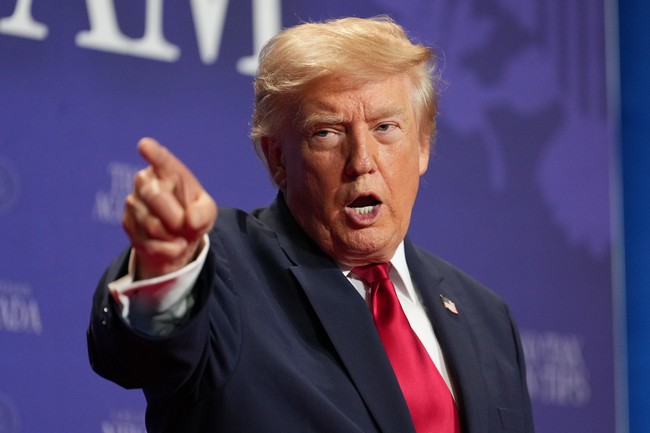
President Trump warns Iran is unraveling under intense economic pressure and maritime isolation, with Tehran facing collapsing finances, a disrupted oil route, and fresh U.S.-led sanctions described as an unprecedented financial campaign.
Iran’s ability to control shipping through the Strait of Hormuz looks severely diminished as many vessels now favor the southern route near Oman instead of the path Tehran has tried to enforce. That shift undercuts Tehran’s leverage and exposes a practical loss of influence over a choke point long central to its foreign policy posture. The change in shipping patterns is a visible sign of how pressure can translate into strategic setbacks.
The Iranian economy is visibly strained, and top officials are sounding alarms about domestic stability. Parliamentary speaker Mohammad Bagher Ghalibaf admitted they “cannot endure” if conditions continue on their present course, a stark public recognition of mounting economic distress. Such statements from inside the regime rarely appear without significance, especially when paired with external pressure.
Washington has signaled a stepped-up assault on Iran’s financial lifelines, promising a broad sanctions push designed to choke off revenue and access to global markets. Treasury Secretary Scott Bessent described the plan as the “single greatest financial offensive ever marshaled against an adversary,” language that telegraphs an unusually aggressive and comprehensive approach. That kind of rhetoric reflects a determination to target not only Iran but also intermediaries and partners that keep the regime afloat.
Commercial and political isolation combine to punish ordinary Iranians as well as elites, and that economic squeeze is likely to increase internal tensions. Street-level grievances previously sparked mass protests, and observers note that the resistance movement that showed up earlier this year could regain momentum under heavier pressure. When economies weaken rapidly, political cohesion inside authoritarian systems tends to fray, raising real risks for Tehran.
https://x.com/EricLDaugh/status/2091870476993699997?ref_src=twsrc%5Etfw
On the diplomatic front, Iranian officials are trying to spin a different story, but their public messaging struggles to mask the operational and financial setbacks. Foreign Minister Abbas Aragchi has attempted to downplay the severity of the situation, yet naval constraints and mounting sanctions limit the options at Tehran’s disposal. Dissembling only goes so far when trade routes shift and cashflows tighten.
The maritime picture is particularly important because Iran long relied on threats to shipping to gain bargaining power and disrupt opponents. Losing effective control of transit near the Strait of Hormuz undercuts a key element of Tehran’s strategic playbook. Without that leverage, Iran’s negotiating position on other matters, including regional influence and nuclear-related bargaining chips, is weakened.
U.S. policy under the current administration appears designed to combine economic pain with diplomatic pressure in a way that reduces Iran’s ability to fund proxy forces and pursue destabilizing activities. The objective seems to be to squeeze Tehran until the regime faces constrained choices and reduced capacity to project power. That strategy accepts short-term disruption to global energy markets as a cost of imposing longer-term limits on Iran.
Inside Iran, leaders are publicly acknowledging the pressure, and that admission creates a new dynamic for opposition forces and regime insiders alike. When top officials speak of limits to their endurance, it signals potential shifts in elite calculations about survival and risk. Those shifts can open space for internal political change, whether gradual or sudden, depending on how pressures evolve.
For now, the unfolding mix of tightened sanctions, rerouted shipping, and leadership alarms leaves Tehran in a precarious spot. External measures are clearly biting, and the domestic consequences could accelerate if economic conditions keep deteriorating. Observers on all sides will be watching closely to see whether the pressure forces a course correction in Tehran or ushers in deeper instability.
— Eric Daugherty (@EricLDaugh)

Home-based job that pays more than 12,000 Dollar per month by doing simple tasks on a laptop or mobile device part-time. Last month, I earned 24,863 Dollar from this job by working 4 hours per day online. Very simple jobs to do, and the earnings are insane. Everyone can now make more money online by joining the website listed below…..
𝒋𝒖𝒔𝒕 𝒖𝒔𝒊𝒏𝒈 𝒕𝒉𝒊𝒔 𝒔𝒊𝒕𝒆.. Www.PayAtHome1.Com