
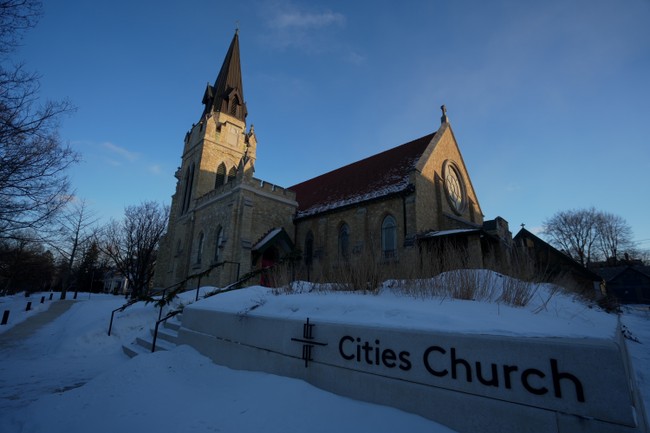
Judge Laura Provinzino, a Biden appointee, has ordered the release of Nekima Armstrong and Chauntyll Allen after their role in the protest at Cities Church in St. Paul during an ICE action, setting conditions but denying the government’s request to reconsider detention; this piece examines the ruling, the restrictions imposed, the legal rationale quoted in the order, and the broader concerns about law enforcement, religious liberty, and selective justice.
The court’s Friday decision drew immediate backlash because it let two high-profile protesters go while federal authorities pursue charges connected to the anti-ICE raid at Cities Church. Those who watched the video footage of the incident feel the move undermines deterrence, especially when churches and law enforcement are involved in tense confrontations.
Provinzino ruled the defendants are not a flight risk and ordered their release under 18 U.S.C. § 3142(c), even as the government sought review and emergency relief. The opinion included breathless language quoted directly in the order, stating: “IS HEREBY ORDERED that: The United States’ Application for Review or Reconsideration of Order Setting Conditions of Release or Detention (18 U.S.C. § 3142) and Request for Hearing (ECF No. 7) and Motion for Emergency Stay and for Review and Revocation of Release Orders (ECF No. 17) are DENIED. Defendants are hereby ORDERED RELEASED under 18 U.S.C. § 3142(c).”
That formal language matters because it’s the court’s explicit rejection of the government’s emergency plea to keep the two detained. The order leaves the underlying charges intact, but the immediate outcome is release with conditions rather than continued detention pending trial.
The judge did attach conditions to the release, which try to limit risk but may not satisfy those worried about repeat disruptions. Those conditions include supervision by U.S. Probation and Pretrial Services; a travel restriction outside Minnesota unless approved; a no-contact order with victims or witnesses; and a prohibition on weapons, among other requirements.
The order further imposed a stay-away condition requested by the government: “Defendant shall stay away from the church location identified in the Complaint Affidavit. ‘Stay away’ means no closer than the public sidewalk nearest to the location of the Church.” Those are specific limits, but critics say stay-away terms often fail when activists are determined to continue a campaign.
The defendants also must surrender their passports, which is the kind of basic step courts take when they want to reduce flight risk but still allow release. Surrendering travel documents is sensible, yet it does little to address the question of whether judicial discretion is being guided by principle or by politics.
One line in the opinion underscored the legal framing: the judge found the “charged conspiracy is not a crime of violence.” That legal label can carry enormous weight in pretrial decisions, but it felt like a semantic shield to many who watched the church incursion unfold and saw real intimidation and disruption.
The court echoed a principle aimed at protecting worship, declaring, “Religious freedom is the bedrock of the United States – there is no first amendment right to obstruct someone from practicing their religion.” That quote recognizes a core liberty, even while the ruling overall left observers puzzled about why the balance of liberty and enforcement favored release here.
Public confidence in impartial enforcement matters, and decisions like this feed a narrative that some judges steer toward leniency based on ideology rather than a hard look at public safety. When those judges are the ones deciding whether actions against federal agents or houses of worship merit detention, trust in the justice system takes a hit.
This ruling arrives amid other recent rulings by the same judge that frustrated conservative policymakers, reinforcing a sense that parts of the judiciary remain an obstacle to restoring strict law-and-order accountability. The government can and likely will pursue the case, appealing and pressing its point that the conduct at the church was more than lawful protest.
Meanwhile, the scene in Minneapolis stayed tense, with anti-ICE protesters continuing demonstrations and with onlookers mocking the signs that say “NO ICE!” as winter weather brought real ice and snow. The optics of protesters defying law enforcement while courts let alleged ring-leaders return to the community fuel political anger and calls for firmer remedies.
For Republicans and supporters of robust enforcement, this is a reminder that the fight over how to interpret protest, obstruction, and religious liberty won’t be settled on the streets alone. It will be litigated in courts where judicial philosophy and precedent determine whether disruption is treated as a minor offense or a risk that justifies detention pending trial.
The legal process moves forward, and the government still has tools to challenge the decision and press for accountability. But the release itself sends a message about how some courts are handling politically charged confrontations, and that message will shape both public opinion and legal strategy in the weeks ahead.
Observers on both sides will watch any appeals, any new filings, and how probation officers enforce the conditions that accompany release. If the defendants flout restrictions or if similar incidents recur, that will raise fresh questions about whether the judiciary is equipped to deter repeated attacks on law enforcement and places of worship.
Add comment