
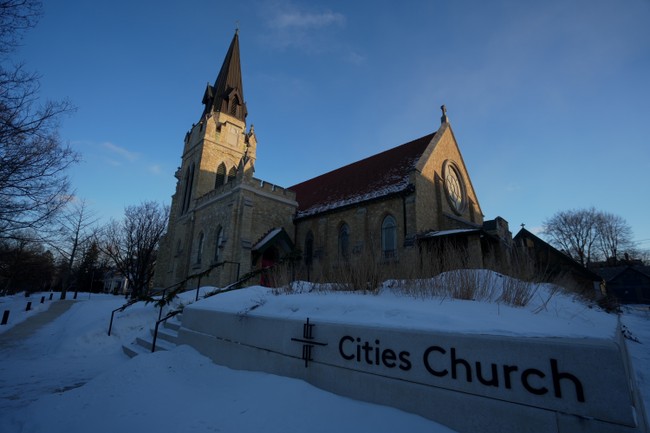
The Biden-appointed judge in Minnesota ordered the release of two activists arrested after an anti-ICE action at the Cities Church in St. Paul, imposing conditions but finding they are not a flight risk or charged with a crime of violence; the move has drawn sharp criticism from those who see it as another example of judges undermining enforcement efforts and sparking debate about accountability, religious freedom, and how the justice system handles politically charged protests.
Last Friday, U.S. District Judge Laura Provinzino ruled the two leading figures in the St. Paul church incident, Nekima Armstrong and Chauntyll Allen, should be released on conditions rather than kept detained. The decision concluded they do not pose a flight risk, a legal standard that often determines pretrial custody. Critics argue that the risk calculus ignores the potential for continued disruption directed at federal agents and religious institutions.
The court did place a set of restrictions on Armstrong and Allen intended to limit their ability to interfere with the ongoing matter. Those conditions include supervision by U.S. Probation and Pretrial Services and constraints on travel outside Minnesota absent approval. The ruling also bans contact with victims or witnesses and forbids possession of weapons while the case proceeds.
One particular stay-away provision requires the defendants to remain off property near the church identified in the complaint affidavit, with the rule defined as keeping no closer than the public sidewalk nearest the location. They were also ordered to surrender their passports, a standard step to reduce the risk of leaving the country. Supporters of the release note this is a common approach for individuals not charged with violent offenses.
IS HEREBY ORDERED that:
- The United States’ Application for Review or Reconsideration of Order Setting Conditions of Release or Detention (18 U.S.C. § 3142) and Request for Hearing (ECF No. 7) and Motion for Emergency Stay and for Review and Revocation of Release Orders (ECF No. 17) are DENIED.
- Defendants are hereby ORDERED RELEASED under 18 U.S.C. § 3142(c).
Even with conditions, many opponents see the release as emblematic of a broader judicial pattern that favors protesters aligned with left-wing causes. They point out that the judge explicitly found the charged conspiracy is not a crime of violence, which is the basis for the less restrictive response. That classification fuels outrage from those who believe the church incursion was more than a peaceful protest.
The case also touches on religious liberty, with a court statement emphasizing that “Religious freedom is the bedrock of the United States – there is no first amendment right to obstruct someone from practicing their religion.” That language formalizes a boundary between protest and interference with worship, yet it coexists with the decision to release the defendants. The tension between protecting worship and upholding protest rights remains a live and bitterly contested issue.
Public reaction intensified when reports said a federal magistrate declined to sign off on charges against Don Lemon, who was present during the incident and claimed he was reporting on it. His presence has been seized on as another sign of selective accountability and of mainstream media figures entangled in contentious events. Observers on both sides of the aisle are debating whether media participation changes the legal calculus or public expectations of impartial prosecution.
Earlier this month, Judge Provinzino drew criticism for other rulings viewed as blocking administration priorities, including an order that halted efforts to cut federal food stamp funding tied to alleged fraud in Minnesota. Those prior decisions feed the narrative among critics that some judges prioritize ideological concerns over enforcement. Supporters of those rulings argue they safeguard due process and prevent executive overreach.
Religious freedom is the bedrock of the United States – there is no first amendment right to obstruct someone from practicing their religion.
Protesters remained active in Minneapolis amid harsh winter conditions, a reality opponents note with derision when agitators carry signs reading “NO ICE” through snow and below-freezing temperatures. The image of demonstrators braving the elements has become part of the story, underscoring the intensity of the local conflict over immigration enforcement. Local law enforcement and federal authorities are under pressure to balance public order with constitutional protections.
Those pressing for tougher accountability say this is not the end of the matter and expect federal prosecutors to continue pursuing the case and seeking other remedies. The government’s ability to appeal release conditions or press additional charges remains an avenue that could reshape the legal standing of the defendants. Meanwhile, the episode feeds a wider debate over how courts should handle politically charged actions against federal agents and civic institutions.
As proceedings move forward, the dispute over enforcement, protest tactics, and judicial temperament is likely to keep this case in the public eye. For now, Armstrong and Allen remain free under court supervision while the legal process unfolds, and supporters of stricter enforcement are already mobilizing to press for further legal action. The situation highlights the messy intersection of politics, public protest, and the criminal justice system in a polarized environment.


Add comment