
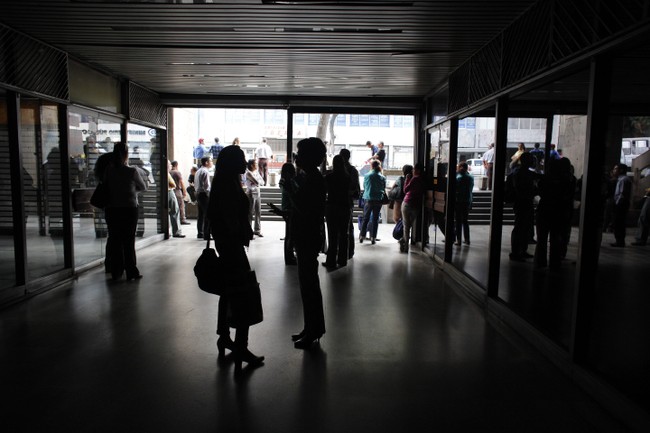
Berlin is facing a severe power crisis after a far-left group claimed responsibility for an arson attack on critical power infrastructure, leaving thousands in the cold and raising hard questions about security, ideology, and national resilience.
The attack on a cable bridge connecting a major power plant to the city has snapped normal life in Berlin, with households, schools, and businesses suffering through days without heat or reliable communications. Officials say the sabotage was deliberate and aimed at disrupting energy distribution during a brutal cold snap, and investigators have escalated the case to the federal level. This is not just a local outage; it exposes vulnerabilities in infrastructure and the growing threat from ideologically driven sabotage. Berliners are now confronting a grim reality few expected: energized activism can become violent and dangerous when unchecked.
Claims of responsibility came in a long manifesto from a group calling itself Vulkan or Vulkangruppe, which reportedly framed the attack as an assault on the energy industry and targeted wealthier neighborhoods to “cut the juice to the ruling class.” That language makes it clear this was a political act meant to send a message, not a spontaneous criminal incident. Authorities are treating the group as part of the violence-oriented anarchist spectrum, which in plain terms means these actors are willing to use destruction to push an agenda. When ideology turns to incendiary action, civilians pay the price—especially in winter.
Across the city, cold shelters were opened and emergency services scrambled to keep critical services running as power trickled back in block by block. Hospitals and nursing homes faced particular danger, and emergency responders had to prioritize life-saving functions while commuters dealt with stalled trains. Communications were spotty, leaving many residents isolated and uncertain about when normalcy would return. The slow restoration timetable—officials warned repairs might not be complete for several days—forced people into communal warming centers and improvised plans just to keep families safe.
In its third full day, a widespread power failure in Berlin resulting from an arson attack started to tug on the nerves of tens of thousands of people making do without heat, electricity, cellphone service and warm food or drinks.
It also had them questioning their infrastructure and security. The power cuts started on Saturday when firefighters were called to a fire at a cable transom that crosses a canal to connect one of Berlin’s biggest power plants to residents.
“A country like Russia will be carefully watching this to see where the critical points are,” said Jürgen Eicher, a 56-year-old resident. “I’d prefer it wasn’t quite so obvious.”
Security experts are blunt: when a single point of failure can darken large swaths of a capital city, that single point becomes a tempting target for saboteurs and foreign adversaries alike. The notion that Russia or other hostile actors might be watching is not paranoia; it is strategic reality in a tense international environment. Berlin’s infrastructure, like many Western cities, was hardened for different threats, and this kind of internal sabotage reveals outdated assumptions. Repairing cables is one thing; restoring public confidence and deterrence is another entirely.
The investigation reportedly found that saboteurs set fires on a cable bridge containing five main power lines and planted explosives underneath, a methodical and malicious strategy that left no doubt about intent. That level of planning moves the incident squarely into the domain of terrorism for many observers, prompting federal prosecutors to get involved. When infrastructure can be targeted so easily, policymakers must rethink where risk is concentrated and how to protect civic life. Defensive measures can no longer be passive or piecemeal; they must be swift and comprehensive.
Observers and residents are asking why public safeguards failed and how similar attacks can be prevented, especially as the world marks anniversaries of major geopolitical conflicts that sharpen tensions. Some German authorities have warned the population the country has become a target for sabotage attacks, underscoring an urgent need for vigilance. Politically motivated vandalism and arson are not harmless protest; they are criminal acts that endanger lives and cripple daily routines. Leaders must respond with clarity and resolve to protect citizens and critical systems.
Responsibility for the attack was claimed by a German radical Antifa group calling itself “Vulkan.”
Beyond immediate repairs, this episode highlights a cultural clash: activists who vilify modern energy systems and affluent neighborhoods are choosing destruction over debate. That choice shifts public opinion against them and forces democracies to take a harder look at extremism on their soil. In plain terms, when the radical left resorts to terrorism, it undermines legitimate dissent and endangers ordinary people who just want to live their lives. The consequences of that decision will reverberate long after the last light is restored.
Berliners are left to dry off, warm up, and demand answers while officials sort through evidence and motives. Authorities have pledged to pursue suspects and reinforce vulnerable points in the grid, but rebuilding trust takes time and decisive action. If political movements are going to influence policy, they must compete in the marketplace of ideas rather than resort to arson and sabotage. Otherwise, citizens and national security alike will continue to pay a steep price.



Add comment