
The Arctic Frost revelations show a pattern: the Biden-Harris Justice Department appears to have used broad surveillance powers against political opponents, and this episode echoes past controversies over executive surveillance. This piece traces the Arctic Frost allegations, compares them to earlier scandals, and argues that Democratic leaders often accuse others of what they themselves pursue. The focus is on how projection shaped public outrage and why voters should pay attention to who wields state power.
Operation “Arctic Frost” is alleged to have been a wide-ranging effort by the Biden-Harris Justice Department to monitor Republicans who objected to the 2020 election results. Reports say the operation targeted organizations and media outlets across the conservative ecosystem, and it reached into the communications of people tied to the Republican Party. The claim is that this was not intelligence work against foreign enemies but political surveillance of domestic opponents.
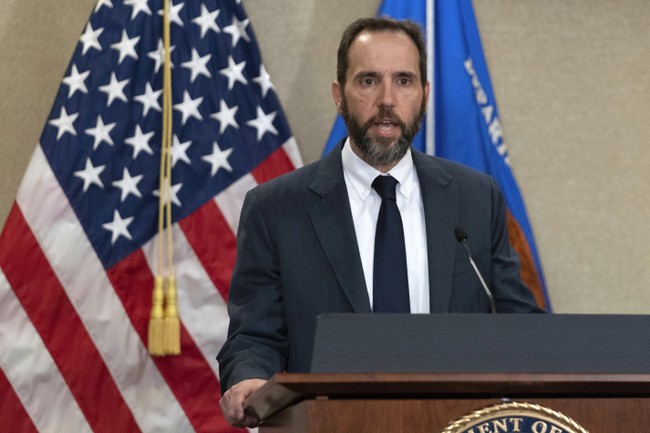
Sen. Chuck Grassley (R-IA) announced Wednesday that “197 subpoenas were issued by Jack Smith, which extended to more than 400 Republican organizations, including Turning Point USA and the Republican Attorneys General Association” as part of the operation, targeting 92 Republican individuals or organizations, including eight senators and one congressman. That statement, if accurate, describes a sweep large enough to chill political speech and civic organization. When the federal government reaches that far into partisan networks, basic questions about motive and oversight must follow.
Another alarming claim is that the administration had “unprecedented access” to a former president’s government-issued phone and that conservative outlets were monitored. Names floated in reporting include major conservative broadcasters and outlets that routinely challenge the left. Whether this surveillance produced evidence of real crimes or was a political fishing expedition is central to the debate, and Americans deserve transparency.
Those who defended or cheered similar surveillance when it served their side now face a credibility test. In the mid-2000s Democrats privately and publicly condemned the Bush administration’s warrantless wiretapping program as a constitutional crisis. Back then, lawmakers including senators and representatives warned that executive overreach in the name of security threatened civil liberties. The contrast between past outrage and present reactions exposes a double standard.
Here is an excerpt that sums up the old controversy: “The tragic event of the Sept. 11 terrorist attack persuaded President George W. Bush to authorize the National Security Agency (NSA) to engage in a warrantless wiretapping program aimed at monitoring international phone conversations between persons residing in the United States and persons believed to be affiliated with terrorist organizations. A firestorm of controversy emerged with heated debate about the legality of the NSA program. Legal scholars’ opinions about the legality of the program widely varied, with some suggesting that the program was a glaring violation of the law while others argued that the President was within the law and that his actions were necessary to protect the security of the nation.” That passage captures why surveillance cases split the country: national security arguments clash with privacy and constitutional concerns.
The old controversy involved monitoring calls between Americans and overseas targets suspected of terror ties. That surveillance was framed as a counterterrorism tool, and critics argued it skirted FISA rules. The political energy around that fight came largely from Democrats who argued the administration had overreached; their rhetoric then now contrasts with quieter responses in some quarters to recent domestic surveillance allegations.
When political actors switch roles between watchdog and target, projection becomes a useful lens. Projection, in the psychological sense, is assigning one’s own impulses or plans to someone else, and it helps explain why parties scream about abuses when opponents take power. Those who once accused the other side of scheming to spy now appear defensive when a similar program is alleged to have been used against their allies.
This pattern matters because the executive branch controls formidable tools: subpoenas, search powers, surveillance authorities, and special counsel capabilities. When those tools are used against political rivals, the line between law enforcement and political warfare blurs. Safeguards and independent oversight are supposed to prevent politics from driving prosecutions and data grabs, yet the public sees examples that test those guardrails.
Americans should ask who set the rules, who applied them, and whether proper probable cause and court supervision existed in each instance. The legitimacy of law enforcement depends on impartiality and clear legal basis, not on which party benefits. Without that, confidence in democratic institutions declines, and partisan grievances harden into permanent distrust.
Voters and lawmakers alike need answers about Arctic Frost and parallel episodes, and those answers should be public, specific, and subject to independent review. If mistakes were made, correct them and change the rules; if wrongdoers acted for political gain, hold them to account. Politics can be rough, but state power should not be a tool for punishing dissent or shaping elections.
History shows both parties will use the levers of government when given the chance, and that cycle of accusation and retaliation corrodes civic life. The real reform would be clearer limits on surveillance, stronger judicial checks, and a bipartisan commitment to keeping political fights out of law enforcement. That change is possible, but it takes political will to make institutions neutral again.


Enemies within and Treasonous acts, all being hanging offenses!