
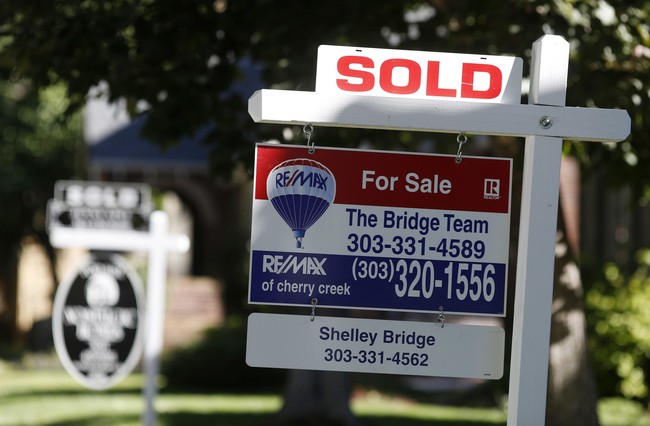
Realtor.com’s 2026 list of the nation’s hottest ZIP codes shows that the markets moving fastest aren’t bargain-basement pockets but places with painfully low inventory and well-qualified buyers, proving that tight supply—more than cheap prices—is driving competition and above-asking sales in many suburbs near major cities.
Democrats are loudly talking about affordability as the midterms approach, framing the debate around first-time buyers who struggle to get into the market. That argument misses a key point highlighted by recent data: in several of the hottest ZIP codes, the problem is simply there are too few homes for sale so the buyers who can compete end up winning, not because homes are cheap.
Realtor.com’s senior economist points to supply that remains well below pre-pandemic levels in these standout areas, and that shortage matters more than headline prices. Local buyers from nearby metro areas are filling the demand, so these suburbs see bidding wars even when overall national inventory looks less dire.
https://x.com/SteveAndApril1/status/2086840140614504913
The competition is showing up in sale-to-list ratios. In nine of the ten hottest ZIP codes, homes are selling at or above their asking prices, with an average sale-to-list ratio of 103.8 percent. Meanwhile, across the country a typical home in the first half of 2026 tended to sell a bit below list price, which underscores how localized the hottest pockets really are.
Buyers in these markets are often in stronger financial positions than the average U.S. buyer. They tend to put down bigger down payments—around 17 percent versus a national average near 13 percent—and they generally carry higher credit scores. That means the people winning these tight-market bids are the ones who prepared for the reality of today’s mortgage rates and tougher lending standards.
“We also know they tend to have higher credit scores, and all this is pointing to this idea that today’s borrowers have to be more financially equipped and financially ready to participate in today’s housing market because with mortgage rates in the mid-to-high 6% range,” the economist said. That quote nails the point: rates matter, but so does having the cash and credit to compete when supply is scarce.
She added that buyers in those ZIP codes “tend to be very financially able to participate, they have a little bit more money to put down, and they’re more financially robust than the typical U.S. buyer.” Those lines make clear who the market rewards right now—people who planned, saved, and stood ready to act when listings hit the market.
The top ZIP codes on the list are clustered primarily in the Northeast and the Midwest, particularly in suburbs around big metros like Boston, New York, and Philadelphia. That pattern repeats a story we’ve seen: people want proximity to city jobs and wages, but they also want the space and established communities outside the urban core, which pushes demand into a tight ring of commuter suburbs.
Here are the ten ZIP codes that stood out for 2026: 01960 Peabody, Massachusetts; 07042 Montclair, New Jersey; 08080 Sewell, New Jersey; 14450 Fairport, New York; 01085 Westfield, Massachusetts; 48154 Livonia, Michigan; 17543 Lititz, Pennsylvania; 06473 North Haven, Connecticut; 53151 New Berlin, Wisconsin; and Wheaton, Illinois. Those places share a mix of solid schools, commuter access, and limited for-sale inventory that fuels multiple offers.
Personal stories in the report show exceptions that prove the rule: some younger buyers managed to buy by making heavy sacrifices, saving aggressively, and leaning on family help when available. Examples include a 27-year-old who saved aggressively for two years and a 25-year-old who lived rent-free temporarily, both able to secure homes in more affordable markets because they prioritized saving early.
Gen Z buyers made a modest but notable move in 2025, rising to four percent of buyers from three percent the year before, with an average reported income in the mid $70,000s. Early savings and access to retirement assets sometimes help, but those who lack those advantages are being squeezed out where inventory is tight and buyers with bigger down payments dominate.
The headline lesson is straightforward: affordability conversations matter, but we should be honest about what’s actually shaping competition in the housing market. Where listings are scarce and suitable homes are rare, buyers with stronger finances set the pace, and policy conversations about affordability need to confront supply constraints as directly as they criticize mortgage costs.


Home-based job that pays more than 12,000 Dollar per month by doing simple tasks on a laptop or mobile device part-time. Last month, I earned 24,863 Dollar from this job by working 4 hours per day online. Very simple jobs to do, and the earnings are insane. Everyone can now make more money online by joining the website listed below…..
𝒋𝒖𝒔𝒕 𝒖𝒔𝒊𝒏𝒈 𝒕𝒉𝒊𝒔 𝒔𝒊𝒕𝒆.. Www.PayAtHome1.Com