
I’ll take a frank look at the World Cup’s oddities, explain why many Americans remain lukewarm about soccer, walk through the clock and offside frustrations fans love to hate, note how VAR fits into the picture, and preview the final weekend matchups and key players driving interest.
Sammy the Shark and Karl the Kraken finally roused themselves from the couch and decided to give soccer a proper look after global fans complained about their earlier indifference. The sport’s global popularity is real and loud, which makes it impossible to ignore even if you prefer the Big Four in the United States. For those new to the frenzy, the World Cup squeezes national pride, tactical nuance, and raw emotion into a month-long spectacle.
There are two kinds of sports fans when it comes to soccer: the die-hards who would move mountains to see a match, and the others who would rather watch paint dry. I land somewhere in the middle and will watch when I have a rooting interest—local teams and players can make a huge difference. Still, when stacked against baseball, American football, basketball, and hockey, soccer usually sits in the passenger seat for many U.S. viewers.
A lot of the pushback comes from soccer’s rules, which often seem intentionally puzzling. Take the match clock: two 45-minute halves that almost never end exactly at 45:00. Instead, a referee tacks on “extra time” based on stoppages, delays, and injuries, then signals how much should be added only when a half is about to end. That uncertainty drives fans nuts because the game can stop at any moment depending on the official’s discretion.
The stoppage time practice raises a simple question: why not stop the clock like every other major sport does? Instead, the timer counts up from zero and the referee decides when to end the half. The historical explanation points to 19th-century origins and the crude clocks of the era, but today it often looks like a tradition kept purely out of stubbornness. For many viewers, the unpredictability is part of the charm; for others, it feels like needless drama.
Then there’s the offside rule, which, when read closely, can induce headaches. The official wording includes specific spatial details about the head, body, and feet relative to the opponents’ half and the second-last player. The original text reads exactly as follows:
A player is in an offside position if:
* any part of the head, body or feet is in the opponents’ half (excluding the halfway line) and
* any part of the head, body or feet is nearer to the opponents’ goal line than both the ball and the second-last opponent
Having the rule makes tactical sense; without it, defenders would be chasing runners parked at the goal line all match long. Still, the rule’s fine margins lead to furious goal reviews when a scorer is ruled offside by a tiny fraction of a shoe. Those marginal calls are precisely why VAR was introduced: to correct obvious errors—or at least try to.
VAR, or Video Assistant Referee, brings replay technology into the decision-making process, but it hasn’t silenced critics. The system puts an off-field official in charge of video review, which sometimes produces exactly the kind of contentious call fans hoped to avoid. Instead of on-field video monitors, the current setup relies on off-field review and communication back to the referee, which keeps controversy alive and sparks debate about whether the game benefits from the interruption or suffers from it.
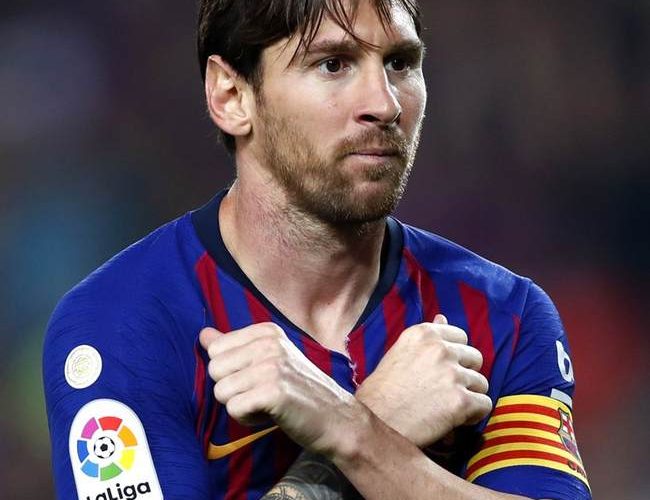
The 2026 World Cup weekend arrives with third place and the championship on the line. France and England meet for third place on Friday, July 17, 2026, while Spain and Argentina will contest the final on Sunday, July 19, 2026. Spain may present the stronger overall squad, but Argentina has Lionel Messi, an athlete whose impact resembles the all-time greats in other sports by turning the improbable into reality on a regular basis.
https://x.com/Mbilu_Yanga/status/2077818507144688046
Messi’s presence changes how neutrals watch: skill and clutch moments draw viewers even if they are not invested in the teams. Lionel Messi often performs in ways that seem to defy probability, and that ability to produce magic on demand keeps casual fans tuning in. Whether you love the sport or not, elite performers create moments that cross cultural and sporting boundaries.
For those still skeptical about soccer, the World Cup offers a condensed showcase of its best parts—national pride, drama, and individual brilliance—wrapped in rules that keep conversations lively. If you’re joining the discussion this weekend, expect debate about stoppage time, VAR rulings, and whether a marginal offside call ruined the beautiful game.
Spain and Argentina face off for the title on Sunday and the matchup promises tactical chess plus moments of pure improvisation from top players. Spain’s collective depth and Argentina’s star power make for a compelling contrast, and the outcome may hinge on which side imposes its style early and forces the other to react.



Add comment