

This piece covers Governor Gavin Newsom’s public outburst over DOJ election monitoring, Harmeet Dhillon’s rebuttal, the odd theatrics that followed, and why the conservative viewpoint sees federal observers as routine oversight rather than intimidation. It lays out the exchange, preserves the direct quotes, and notes the visual moments that kept the story in the headlines. The article frames election monitors as a normal transparency tool and questions the governor’s alarm while keeping the conversation grounded in facts and direct statements.
Pure Gold: AAG Dhillon Squashes Gavin Newsom When He Throws Fit Over Plans for DOJ Election Monitoring
Governor Gavin Newsom posted a sharp condemnation of planned Justice Department election monitoring, calling it voter intimidation and an attack on California’s authority. He wrote, “Donald Trump’s puppet DOJ has no business screwing around with next month’s election. Sending the feds into California polling places is a deliberate attempt to scare off voters and undermine a fair election. We will not back down. Californians decide our future — no one else.” That public stance set off a predictable response from conservative observers who see the move as standard oversight.
Newsom labeled the federal presence a “bridge too far” and claimed it amounted to voter “suppression,” but that argument doesn’t stand up to scrutiny. The United States routinely uses federal observers in elections abroad and, historically, domestic federal election monitoring has occurred under both parties. If monitors are truly neutral and merely observers, the fear-mongering about intimidation rings hollow.
Critics pointed out the inconsistency: when federal observers served under Democratic administrations, the same states now protesting did not cry foul. The point is simple—transparency should not be partisan. If a state insists it has nothing to hide, a federal observer should not be a scandal; it should be a reassurance that the voting process is being watched to protect integrity.
Assistant Attorney General Harmeet Dhillon responded directly, and her message struck a chord with conservatives and independents who favor straightforward accountability. She wrote, “Lol calm down bro. The @TheJusticeDept under Democrat administrations has sent in federal election observers for decades, and not once did we hear that this was voter intimidation from states such as California. Do you really want to go there? Isn’t transparency a good thing?” That exact quote cut to the core of the complaint and exposed the selective outrage.
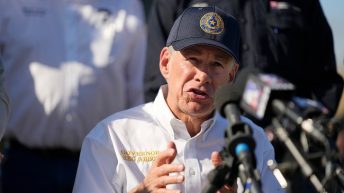
Beyond the policy argument, the visual of Newsom’s public reaction became part of the story. Observers and critics alike couldn’t help but notice his animated hand motions and dramatic delivery, which some mocked as distracting from the substantive issues. The performance fed the narrative that the governor was more focused on optics than on addressing why observers might be invited in the first place.
Some commentators even joked about the gestures, suggesting they undercut Newsom’s credibility and made the moment look theatrical. That line of attack isn’t just sniping; it’s about tone and trust. When a leader resorts to alarmist language while waving his arms, it invites skepticism about whether the reaction matches the risk.
From a conservative standpoint, the priority is ensuring fair, free elections without double standards. Federal observers, when used properly, can help protect voters and verify procedures without interfering in the actual casting or counting of ballots. The better course is to welcome transparency and focus on fixing concrete weaknesses instead of staging public tantrums that suggest political theater is taking precedence over governance.
Legal and historical context backs up that view: federal election observation has precedent and purpose across administrations. The concern should be about uniform application of oversight and clear rules that preserve voters’ rights, not reflexive accusations of intimidation when scrutiny lands on certain states. Consistency matters if confidence in election outcomes is to be maintained.
The exchange between Newsom and Dhillon shows how quickly a policy debate can shift into a spectacle of blame and theatrics. Conservatives argue that embracing transparency and equal treatment under the law strengthens democracy, while dramatic condemnations and performative outrage do little to solve practical election security questions. Observers exist to help ensure votes count as cast, and that role should not be politicized to the point the public loses trust in the process.

Add comment