
June Lockhart, the actress known for roles in Lassie and Lost in Space, has died at 100. This piece traces key moments of her life and career, notes her long relationship with NASA, and includes statements from her family and colleagues. It preserves her recorded remarks and the tributes offered after her passing. Embedded media and quoted material are left intact for context.
June Lockhart earned a place in American television history as a comforting on-screen mother, but her career began long before television made her a household name. Born on June 25, 1925, she first performed onstage as a child and appeared in classic Hollywood pictures while still very young. Her early work set a foundation that carried through decades of stage, film, and TV roles.
Her passing was announced with a family statement describing a peaceful end. The official notice said she “died of natural causes at home in Santa Monica, California, with her daughter, June Elizabeth, and granddaughter, Christianna, by her side.” The family added, “We will miss this truly remarkable woman, mom and grandmama.”
Lockhart’s Broadway résumé included milestone recognition very early on. She was the first performer awarded a “Best Newcomer” Tony for her debut in the 1947 production For Love or Money, a distinction that marked her as a standout presence onstage. That theatrical success ran parallel to a growing film career in which she acted alongside major stars of the era.
Among those early screen credits were appearances in All This and Heaven Too and Sergeant York, and she won attention in Meet Me in St. Louis at age 19. These performances showed a versatility that allowed Lockhart to move comfortably between dramatic film parts and the warmth of television roles she would later be beloved for. Her career timing meant she worked with many of Hollywood’s major names and directors.
Lockhart died of natural causes at home in Santa Monica, California, with her daughter, June Elizabeth, and granddaughter, Christianna, by her side, her spokesperson said Saturday in a statement.
Her family said in the statement, “We will miss this truly remarkable woman, mom and grandmama.”
On television, she became instantly recognizable as Ruth Martin, the patient, steady mother on Lassie during the show’s long run. That role connected her to a generation of viewers who associated her calm presence with dependable family values. Later she flared into popular culture again as Maureen Robinson in Lost in Space, a role that linked her image to the era’s fascination with exploration and science fiction.
Born in New York on June 25, 1925, Lockhart was the daughter of Oscar-winning actor Gene Lockhart and actor Kathleen Lockhart. She made her professional debut at age 8, playing Mimsey in a Metropolitan Opera production of Peter Ibbetson. She later made her screen debut in MGM’s version of “A Christmas Carol”, playing the daughter of her real-life parents in the movie.
…
[Lockhart] became a household name to American audiences when she starred as Ruth Martin, the mother in “Lassie,” the hit TV show featuring a beloved long-haired collie that aired from 1954 to 1974.
Lockhart would again capture TV audiences in her role as Maureen Robinson, the matriarch in “Lost in Space,” a show about a family struggling to survive in a space colony. It ran from 1965 through 1968.
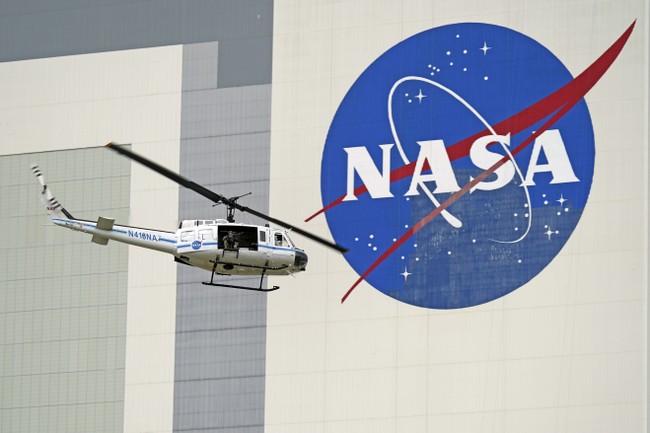
Beyond entertainment, Lockhart developed a sincere and long-lasting association with NASA, embracing the agency’s mission and attending launches and landings. She served as a public face for space advocacy and frequently credited her sci-fi role with inspiring young people toward careers in space. Her daughter noted she “cherished playing her role” in Lost in Space and believed she “inspired many future astronauts.”
Colleagues and admirers responded with personal memories that emphasized Lockhart’s warmth and steady professionalism. Bob Jacobs, who worked at NASA for decades, shared a tribute that highlighted her kindness and influence. His words reflect how colleagues saw her: capable, gracious, and committed to lifting others.
She quickly shared scenes with Hollywood legends, appearing in “All This and Heaven Too” with Bette Davis and Charles Boyer, and in 1941, playing Rosie, the sister of Gary Cooper’s character in “Sergeant York,” directed by Howard Hawks.
By 19, Lockhart was under contract with MGM, earning acclaim as Lucille Ballard in “Meet Me in St. Louis,” directed by Vincente Minnelli.
Another colleague remembered her as both fearless and kind, somebody who brightened every room and set an example by her actions. That tone matched public recollections of Lockhart as a performer who could be maternal and tough at once, able to play earnest family roles while also engaging with the larger cultural moment of space exploration. Her public appearances and advocacy made her a bridge between entertainment and science outreach.
Lockhart also showed she could laugh at herself, joining fellow TV mothers in lighter, self-aware TV appearances later in her career. She was part of a memorable ensemble on an episode of a 1990s sitcom that gathered TV moms from different eras for a comic bit. Those moments contributed to the affection the public held for her beyond her formal credits.
Her family, friends, and professional peers leave behind an image of an actress who balanced a long career with public service and a warm, approachable persona. Quotations from family and colleagues remain in this record, preserved exactly as they were delivered. Her passing at 100 closes a chapter in entertainment history while leaving the influence of her work on stage, screen, and in public life intact.



Add comment