
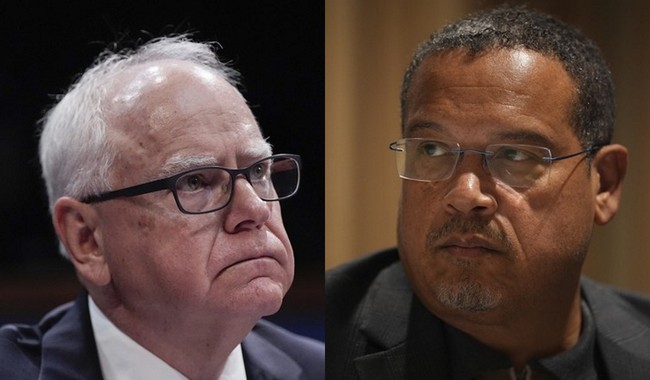
Minnesota’s recent pardon of Tou Lue Vang has ignited outrage and a federal response, exposing a sharp clash between state clemency reasoning and federal immigration enforcement. The state Board of Pardons erased a 2005 first-degree criminal sexual conduct conviction for abuse of a 10-year-old girl, then federal officials moved to terminate his legal status and remove him from the country. Documents and statements released after the pardon reveal the board’s rationale and the sharp disagreement that followed. The episode raises questions about priorities, public safety, and how clemency interacts with immigration law.
The pardon was granted unanimously by the three-member Minnesota Board of Pardons: the governor, the attorney general, and the state Supreme Court chief justice. The action wiped the felony from Vang’s record and, under the board’s expectation, would have prevented deportation. Vang had pleaded guilty in 2005 and received a 12-year sentence for repeated sexual abuse of a 10-year-old, a fact central to the controversy. The board’s decision and its reasoning have become the focus of intense criticism.
Commission documents that surfaced after the pardon show how members weighed factors beyond the severity of the offense. One commissioner argued the applicant’s family situation influenced the recommendation, noting the welfare of six children as a justification. Another cited immigration complications as a reason to favor clemency, framing the relief as a response to the applicant’s potential removal. Those lines of thinking alarmed critics who see public safety as the overriding concern in cases involving child sexual abuse.
In addition to the commissioners’ notes, Vang’s recorded statements at arrest added fuel to the controversy. The criminal complaint quoted him as minimizing the crime and invoking a foreign cultural justification for relations with minors, and it also quoted him blaming the victim. Those exact words, preserved in the complaint, were deeply disturbing to many observers and amplified calls for federal involvement. Later remarks of remorse were reported, and the commission noted evidence of rehabilitation for some members.
Federal authorities did intervene. The federal action terminated Vang’s legal status and removed him to Laos, and officials described the deportation as a corrective measure after the state pardon sought to keep him in the United States. A public statement emphasized that removal prevents him from returning and from posing further danger to American communities. That step underscored the competing powers at play: state clemency and federal immigration enforcement.
Critics of the pardon focused on the message they say it sends about prioritizing individual immigration concerns and family circumstances over community safety. They argue that allowing a convicted child sex offender to avoid deportation by erasing a conviction undermines deterrence and the protections owed to victims. Supporters of the board’s decision emphasized rehabilitation, remorse, and family impacts while noting the commission’s role in vetting petitions. Those arguments, however, did little to calm the public outcry in many quarters.
https://x.com/DHSgov/status/2075579268369649674
The episode also highlights the limits of state clemency when federal immigration law is involved. Even if a state pardons an individual and expunges a conviction, the federal government retains authority to determine immigration status and remove noncitizens who pose a public-safety risk. That separation of powers played out here when federal officials exercised their authority to revoke Vang’s status and effect removal. The case shows how different branches and levels of government can clash over outcomes for individuals with criminal histories.
Public reaction was swift and raw, reflecting deep distrust of decisions seen as lenient in serious criminal cases. Many commentators called the board’s reasoning baffling and inappropriate for an offense of this nature, especially when children’s safety is at stake. Others focused on the role of the state’s clemency process and whether it properly weighed the nature of the crime against rehabilitation claims. The debate now includes questions about accountability within the clemency system and potential reforms to guard against similar outcomes.
Officials involved in the pardon explained that the Clemency Review Commission forwarded recommendations and that the board considered those reports in reaching its unanimous vote. Some members of the commission pointed to evidence they believed showed remorse and change, while also noting immigration consequences that the applicant faced. Those explanations have not satisfied critics who insist that public safety must trump other considerations in cases tied to sexual crimes against children.
The clash over this pardon and the subsequent federal removal illustrates broader tensions in how government balances rehabilitation, family impacts, and protection of the public. It raises practical and ethical questions about when clemency is appropriate and how it should be coordinated with immigration enforcement. The fallout will likely shape future discussions about clemency standards and oversight, especially in cases involving serious harm to minors.
@ICEgov has DEPORTED Tou Vang, the illegal alien CHILD RAPIST @GovTimWalz pardoned in an attempt to allow him to remain in our country.
While Walz and his fellow sanctuary politicians fight to protect heinous criminals like this, we will continue putting the safety of the American people FIRST.
A bipartisan spotlight on this case seems inevitable because it touches so many policy areas: criminal justice, clemency practice, immigration enforcement, and victim protection. Whether the episode leads to policy changes or simply fuels political debate, it has already exposed sharp differences about how to weigh rehabilitation and family considerations against the need to protect children. The legal and public-policy consequences will be watched closely in Minnesota and beyond.
Laotian national Tou Lue Vang was convicted of sexually abusing a 10-year-old girl in Minnesota. He was set to be deported until @GovTimWalz issued him a pardon. Then, I revoked his legal status.
@ICEgov has removed him from the U.S. and he will never endanger another American.



Walz and Ellison are both traitors and blatant major Criminals!
Of course this is the stance they take on such a horrid criminal matter for an Invader of our Country that has done not only Criminal acts against this Nation but even a Child!
Lock those two SOB’s UP NOW!!!
They are full of EVIL!
These two clowns are as despicable as the Cretan they released into the public and should be charged with putting public safety in jeopardy.
Well put and absolutely true!