
The Senate approved a short-term funding bill that pauses a Trump administration rule on grant oversight and pushes budget fights past the midterm elections, setting a Dec. 11 deadline for the frozen rule and avoiding an October shutdown while handing House Republicans a politically tricky package.
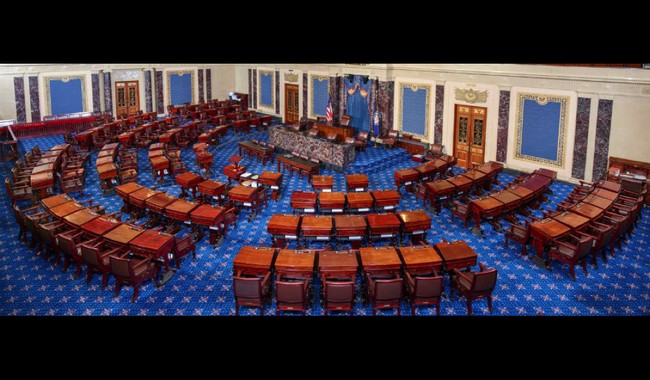
The Senate voted overwhelmingly to pass the stopgap funding measure, moving to prevent a government shutdown ahead of Election Day on Nov. 3. The bill cleared the chamber 90-6 and now heads to the House, where lawmakers must approve identical language before Sept. 30 to prevent an Oct. 1 shutdown. Leaders framed the move as taking a major campaign-season distraction off the board for both parties.
Approval came with a key concession: the bill temporarily suspends a new Office of Management and Budget rule that would have routed discretionary federal grants through political appointees for review. That pause runs through Dec. 11, giving lawmakers time to revisit the rule when they take up the next funding package. Republicans say they plan to bring the rule back into play later in the process.
The controversial OMB change traces to a Trump August 2025 executive order focused on tighter oversight of federal grantmaking. The order directed political appointees to review discretionary grants before funds were distributed, with the administration saying the effort targets projects out of step with its priorities. The president explained the approach bluntly: “Every tax dollar the Government spends should improve American lives or advance American interests. This often does not happen.”
Democrats insisted the language freezing the grant rule be included in the stopgap, and a group of senators pushed to delay implementation until December. Senate Appropriations Chair Susan Collins supported adding the freeze, arguing the immediate priority was to avoid a shutdown and that members voiced strong concerns. The provision proved decisive in securing Democratic support for the short-term spending bill.
“Many of us felt very strongly about it, so it’s in there. Our focus is on … preventing a government shutdown.”
The vote featured a small number of dissents and absences. Six senators voted no: Bill Cassidy, Tim Kaine, Ed Markey, Rand Paul, Bernie Sanders, and Elizabeth Warren. One senator voted present and a few did not cast votes. Objections came from different directions, with some opposing another extension without spending cuts and others motivated by separate policy stances, including questions about the nation’s posture regarding overseas conflict.
The bill largely maintains current spending levels and includes targeted adjustments across programs like the Supplemental Nutrition Assistance Program and WIC, along with disaster relief and national security measures. It also delays a federal crackdown on intoxicating hemp products until Dec. 11 at the White House’s request, a move that generated pushback from some conservatives who wanted the restrictions to take effect sooner.
Senator Rand Paul objected to the measure because it extends funding without attaching cuts he deems necessary, while other senators opposed the bill for unrelated reasons. Leadership in the Senate emphasized pragmatism: better to buy time and avoid a shutdown than to force a confrontation that could harm voters’ confidence and disrupt government operations before the election.
Republican lawmakers on appropriations stressed they would press the substantive policy fights after the election lull. Senator John Kennedy put the position plainly, vowing to revive the grant rule in the next appropriations debate and make the case for restoring its oversight role. Conservative voices signaled they view the pause as temporary and expect the administration’s priorities to return to the agenda once Congress resumes full appropriations work.
“I’m going to fight like hell to make sure there is no impediment to the rule, because it’s a good rule.”
House Republicans now face the political and policy decision of whether to pass the same text. That presents a tough choice: approve the stopgap that avoids a pre-election shutdown but freezes an administrative rule conservatives favor, or reject the package and risk a disruptive funding lapse. The calculus balances avoiding immediate chaos against holding firm on spending and regulatory priorities.
For the White House and Senate leaders, the immediate win was clear: the looming shutdown fight is postponed, and federal funding continues under familiar levels through December. Lawmakers on both sides gained breathing room to campaign and negotiate, but the short-term measure simply defers the hard fights about spending levels, grant oversight, and regulatory authority to the next round of budget negotiations after the midterms.


Add comment