
The affordability crisis is real and urgent: rising costs for housing, fuel, food, and utilities are squeezing families and reshaping politics, fueling frustration with the status quo and pushing younger voters toward radical ideas. This piece argues from a conservative perspective that the problem is not a hoax, that political finger-pointing won’t solve it, and that practical reforms rooted in economic freedom, accountability, and market-based solutions are the only path to restoring opportunity and the American dream.
For years, working Americans watched prices creep up for basics and were told everything was fine. That disconnect between lived experience and official optimism drove voters to demand change and helped elect a new administration promising to tackle affordability head-on. The shift in political power reflects a clear public mandate: stop the rhetoric and deliver real relief on costs that hit wallets every week.
Early signs of relief have appeared in some sectors, like gasoline and a handful of grocery items, but the broader affordability challenge persists. Young people are especially worried; only 22 percent believe they will be better off than their parents, and almost three in four say housing costs have reached crisis levels. Those numbers are alarming not only for the economy but for social stability and civic trust.
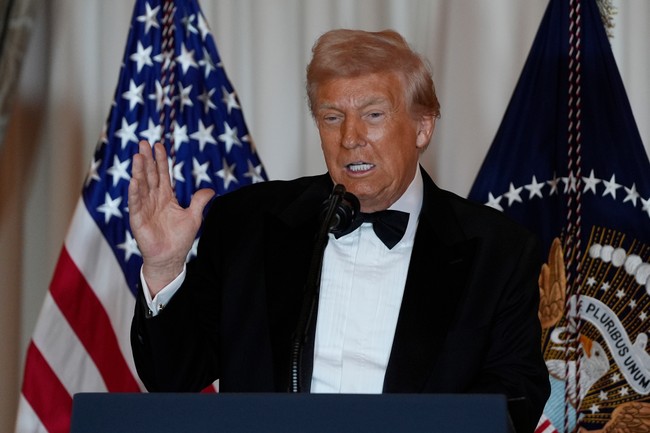
When President Trump called the affordability crisis a “Democrat scam,” a “hoax,” and a “con job,” critics seized the moment and framed it as denial of suffering. The intent, as many supporters read it, was to blame policies enacted under the prior administration for worsening costs rather than to dismiss the pain people feel. Still, politically clumsy language risks alienating voters who want concrete action, not sparring over blame.
Blame alone won’t lower rent, expand housing supply, or cut utility bills, and it certainly won’t stop voters from considering alternative, dangerous solutions. The rise of democratic socialist figures appealing to young voters is a direct symptom of desperation; when a generation feels locked out of homeownership and stable wages, they become open to sweeping promises. Conservatives should warn about the risks of radical change while offering credible, market-centered alternatives.
Historical examples show what can happen when economic desperation goes unaddressed: revolutions and violent upheaval have followed prolonged hardship and elite indifference. Those analogies are stark because economic collapse rarely produces gentle reforms. The lesson for today is simple: fix the underlying incentives and institutions before disillusionment hardens into a call for extreme remedies.
Practical conservative reforms focus on removing barriers to housing, reducing regulatory costs, and unleashing private investment in energy and infrastructure to lower everyday expenses. Policies that expand housing supply, streamline permitting, and encourage competition in energy markets address root causes instead of treating symptoms. Tax relief targeted at lower- and middle-income households can offer immediate breathing room while longer-term reforms take effect.
Political theater over who is to blame is tempting, but Americans want solutions they can feel at the grocery store and at the gas pump. That means combining short-term relief with durable changes that restore opportunity and mobility for working families. Messaging matters, but action matters more; leaders who deliver lower costs and reliable prospects for advancement will rebuild trust quicker than those who score rhetorical points.
Ultimately, preserving the American dream depends on making it attainable through work, responsibility, and fair rules that reward effort. If conservatives can connect principled economic policy with tangible relief—letting families keep more of what they earn and reducing the cost of essential goods—the political appeal of extreme alternatives will fade. The affordability crisis is not an abstract debate to be dismissed; it is a test of whether institutions can adapt and deliver prosperity for the next generation.


I believe the past 8 years of Democrat overspending and lack of financial management caused extreme debt creation and cost of living increases. Its hypocritical to start blaming Trump because we are here – They put us here! Trump is trying to unwind the chaos Biden created. The Democrats, as usual, are trying to destroy Trump’s efforts with the able assistance of MSM, their propaganda arm. Neither the MSM or Democrats are Pro-American, they are just anti-Trump. What a worthless bunch!
What did the people expect when BIDEN created the inflation and I didn’t hear anyone cry about that when it was happening. The fake news said its transitory and the people were OK with the democrats cheap words. Just think if Harris got into office do you think they would be doing anything about it just like the Democrats now aren’t even helping the incoming administration to fix “affordability” BUT now the democrats are campaigning on it? Same old crap from the democrats break it and campaign on fixing it. Well, Trump inherited the Biden economy mess. So we need to be patient until some of his real solutions kick in and the Tax season will start it in 2026. As far as for the spoiled youth who want everything yesterday is going to have to learn patients!! Nobody bought a million dollar first time home unless you had money already. So don’t be fooled by the Democrats who created this mess and then goes out and tells you can get everything free. No such thing as a free lunch. GROW UP!